March 13, 2026

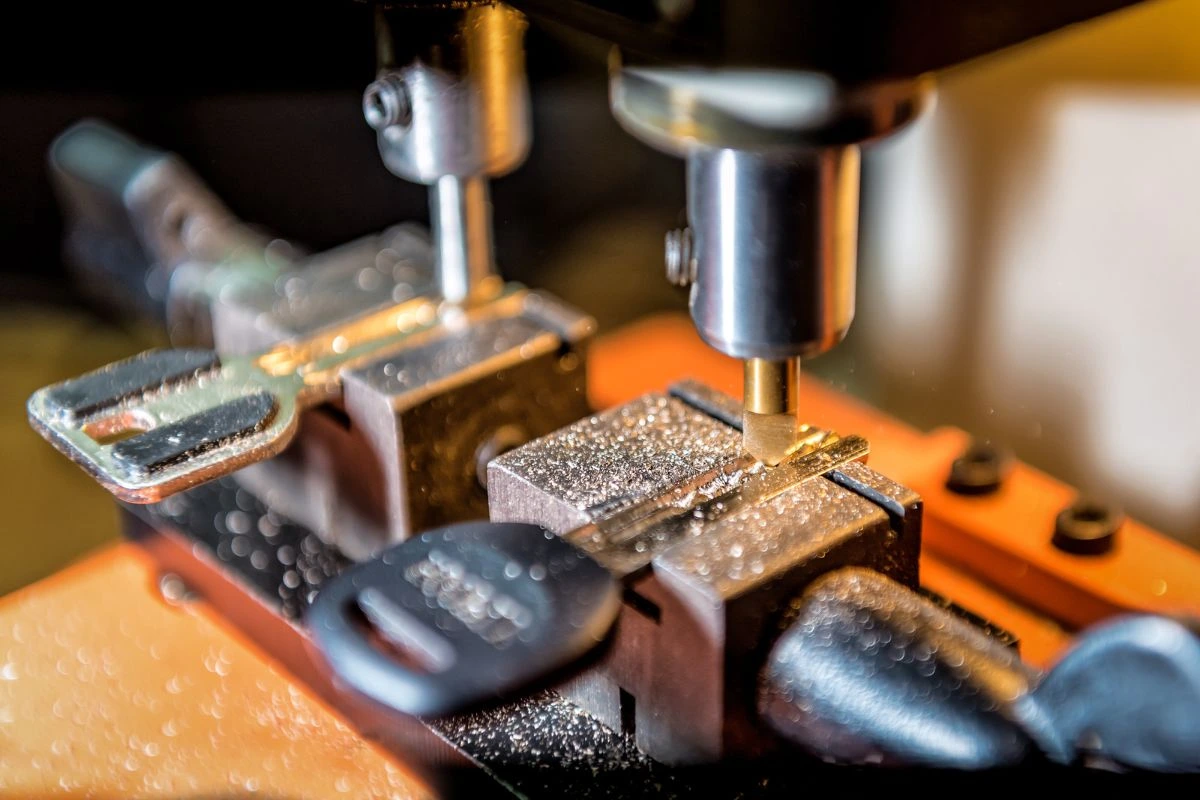
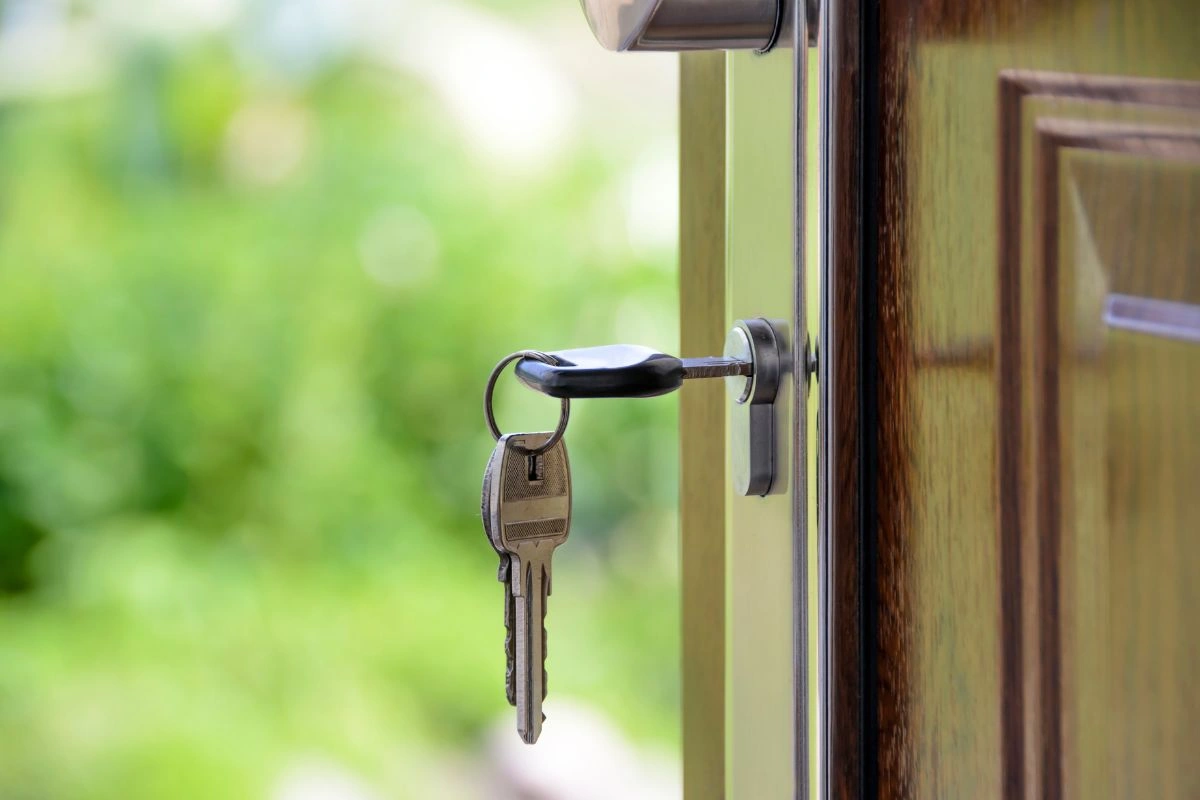
Rekeying locks adjusts the internal pins so old keys no longer work, while changing locks involves replacing the entire hardware with new units. Rekeying typically costs less and takes 10-20 minutes per lock, making it ideal when locks are in good condition but you need new key control. Lock replacement is necessary when hardware is damaged, outdated, or when upgrading to smart locks.
When to rekey locks:
When to replace locks:
The main difference is that rekeying keeps your existing lock hardware while only changing the key configuration, whereas replacing provides entirely new locks with modern features. Professional locksmiths can complete either service, with rekeying being the more budget-friendly option when existing locks function properly.
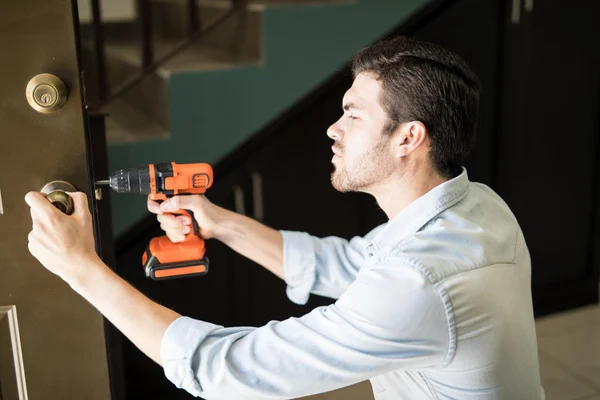
Rekeying a lock means changing the internal parts so it works with a new key. The outer part of the lock stays the same, keeping your doors looking just the way they are. A locksmith, or someone with the right tools, adjusts the pins inside the lock to match a different key. This is a smart and simple way to improve your security without fully replacing the lock.
Many people choose rekeying after moving into a new home or business. It helps ensure only trusted individuals have access. Rekeying is also useful if you’ve lost a key or want to stop someone from using an old one. You can upgrade your security while saving money and avoiding major changes to your doors or hardware.
This method is ideal when you need a fast, efficient solution for better key control and peace of mind.
Rekeying is a cost-effective way to improve your property’s security without replacing every lock. It changes the inside of the lock so it works with a different key. This gives you more control over who can enter your space.
It’s a great option when you move into a new home, lose your keys, or change tenants in a rental property. It also makes sense after a break-in or if you’ve given out spare keys and want to limit access.
Rekeying ensures that only the people you trust can unlock your doors. It’s a smart step for anyone who wants to boost security quickly and affordably.
One of the first things you should do after moving is rekey door locks. Previous homeowners, tenants, contractors, or even real estate agents may still have copies of the keys. Rekeying ensures that only you and those you trust can get in. It’s a simple but important step to start fresh and stay safe in your new space.
Losing a key can put your home’s security at risk. If a stolen or misplaced key falls into the wrong hands, someone could gain access to your property. Rekeying the locks ensures that the lost key no longer works, giving you peace of mind and restoring security. Even if you suspect a key is only temporarily misplaced, it’s better to act quickly.
If someone who used to live in your home still has a key, rekeying is a smart solution. Whether it’s a former roommate, tenant, or ex-partner, changing the key setup prevents them from entering without permission. This helps maintain your privacy and protects your space from unwanted visits.
If you’re tired of carrying around multiple keys for different doors in your home, rekeying can help. A locksmith can adjust all your locks to work with a single key, making your daily routine easier. This is especially useful for families or anyone who wants to reduce the number of keys they need to keep track of.
Rekeying is a quick and budget-friendly way to upgrade your home security without changing the entire lock. If your locks are still in good condition, there’s no need to replace them. A rekeyed lock offers the same level of protection with a brand-new key setup. It’s a great option when you want better security with less expense and effort.
Taking time to rekey your locks can prevent security issues before they happen. It’s a small step that makes a big difference in protecting your home and giving you peace of mind.
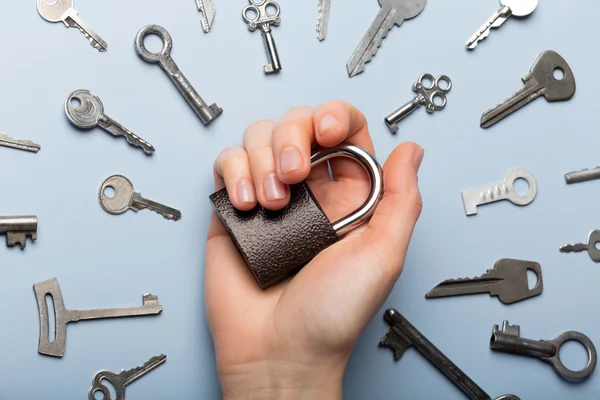
Rekeying your locks is a practical and affordable solution for better home or office security. Instead of buying brand-new locks, you only pay for the service and a few minor parts. This helps you save money while keeping your property safe.
The process is also quick and convenient. A locksmith can usually complete the job in just one visit. This means you won’t have to wait long to secure your space again.
Another benefit is that you get to keep the same locks. Your current lock design and finish stay the same, so there’s no change in how your doors look. This is ideal if your existing hardware matches your home’s style.
Rekeying also simplifies how you manage your keys. If you have multiple keys for different locks, they can be reconfigured to use just one key. This makes it easier to carry fewer keys and lowers the risk of losing them.If you’re looking for a fast, budget-friendly way to upgrade security without replacing your locks, rekeying is a great option. It provides convenience, saves time, and keeps your property looking just the way you like it.
Replacing your locks means removing your current locking hardware and installing a completely new one. This is often necessary when your existing lock is damaged, outdated, or no longer provides the level of security you need. Many people also choose to replace locks after moving into a new home or office to ensure no one else has access.
This process helps improve safety by giving you full control over who can enter your property. It also allows you to choose newer, stronger, or more secure locks based on your needs.
You can either replace locks yourself using a kit or hire a professional locksmith to do the job. Each option comes with its own level of convenience, effort, and cost. Hiring an expert ensures proper installation and saves you time.
Lock replacement is a smart choice when security, functionality, or peace of mind is your top priority. It’s a reliable way to protect your space and feel more secure every day.
There are several situations where replacing your locks is the smartest and most secure option. Whether you’re upgrading your home, improving safety, or simply dealing with worn-out hardware, replacing your locks gives you full control over access and functionality. Understanding when and why to take this step can help you protect your property more effectively.
If your locks are showing signs of rust, wear, or frequent malfunction, it’s time to replace them. Over time, even high-quality locks can degrade due to exposure to weather, heavy use, or lack of maintenance. These issues can make your locks unreliable, which puts your security at risk.
Replacing the hardware ensures that your doors lock smoothly and securely. It also reduces the chance of getting locked out or having a key snap inside the mechanism.
Outdated locks may clash with your home’s design, especially during renovations or upgrades. If your locks look out of place or don’t match other fixtures, replacing them allows for a fresh, unified style.
You can choose from a wide variety of finishes, shapes, and brands to match your doors, handles, or other décor elements. This helps boost curb appeal and gives your home a polished, updated look.
Technology is changing the way we think about home security. Many homeowners now prefer smart locks, keypad entry systems, or Bluetooth-enabled devices. These advanced locks offer features like remote access, activity tracking, and temporary access codes.
If you’re looking to integrate smart home technology, replacing your current locks is often necessary. Most older locks aren’t compatible with new systems and must be removed entirely to make room for upgraded features.
In some cases, rekeying isn’t possible due to incompatible or outdated lock types. Certain locks lack the internal design required for pin changes or were manufactured without rekeyable cores.
When rekeying isn’t a viable solution, replacing the entire lock becomes the only way to ensure security. This is especially important when you need to restrict access after moving, tenant changes, or security concerns.
Replacing your locks gives you total peace of mind by starting fresh with a completely new set of keys and hardware. This eliminates the possibility of old keys still working, especially if you’ve handed out copies in the past.
Whether you’ve experienced a break-in, lost your keys, or had staff or tenants move out, full lock replacement provides a higher level of safety and confidence.
Although replacing your locks offers many benefits, it’s important to understand what the process involves. Choosing this route often requires a larger upfront investment, including both the cost of new lock hardware and professional installation services.
Some doors may also require minor modifications to fit the new locks properly. This could involve drilling, adjusting the strike plate, or replacing additional components like door handles or latches.
Despite these factors, replacing your locks remains one of the most effective ways to modernize your property’s security and ensure long-term protection.
If you’re deciding between rekeying your locks or replacing them completely, it’s important to understand the differences. Rekeying is a quicker option and involves adjusting the internal parts of the lock so that old keys no longer work. This is a great solution if you recently moved, lost a key, or want all your locks to work with one key. Replacing the lock, however, gives you a full reset of your home’s security and may be necessary if the lock is worn out or malfunctioning.
Rekeying does not change the appearance of your lock. If you are looking for a fresh look or modern features, replacing the entire lock is a better option. Only lock replacement allows you to install smart locks or keyless entry systems. While rekeying usually requires less time and fewer resources, replacing a lock gives you more control over aesthetics and security upgrades.
Still unsure about which to choose? Ask yourself what matters more: speed, modern features, or long-term reliability. If you are not confident in your decision, a professional locksmith can inspect your locks and offer advice based on your specific situation.
If you prefer to handle it yourself, rekeying kits are available and can be used with some basic tools. These kits require careful attention and only work with certain types of locks. Hiring a locksmith may take a little more effort up front, but it ensures everything is done correctly and securely.
Once the job is finished, test every lock multiple times to confirm it functions smoothly. Keep at least two spare keys in a safe, separate locations. It’s also a good habit to schedule regular lock inspections and consider upgrading to smart locks for added convenience and peace of mind.
Rekeying your locks is often a smart and affordable option. However, if your locks are old, damaged, or lacking modern features, replacing them may be a better choice. Think about your current security needs and any future upgrades you might want. Your decision should also align with your budget and long-term plans. If you’re unsure which route to take, consider speaking with a professional for guidance. Expert support can help ensure your home stays safe and up to date. Liberty Home Guard is available to help you explore the best options for improving your home security.
Can I rekey any type of lock?
Not all locks can be rekeyed. Some cheaper or high-security models don’t support pin adjustments and must be replaced.
Is it possible to rekey my locks myself?
Yes, rekeying kits are available for DIYers, but you’ll need patience, basic tools, and compatible locks to succeed.
How long does it take to rekey or replace a lock?
Rekeying usually takes 10 to 20 minutes per lock. Replacing may take longer, especially if door adjustments are needed.
Are smart locks worth replacing traditional locks for?
Smart locks offer remote control, access logs, and keyless entry. They’re ideal if you want both convenience and upgraded security.
Will rekeying or replacing locks affect my home insurance?
In some cases, improved locks may lower premiums. Check with your provider to see if enhanced security brings discounts.