February 10, 2026

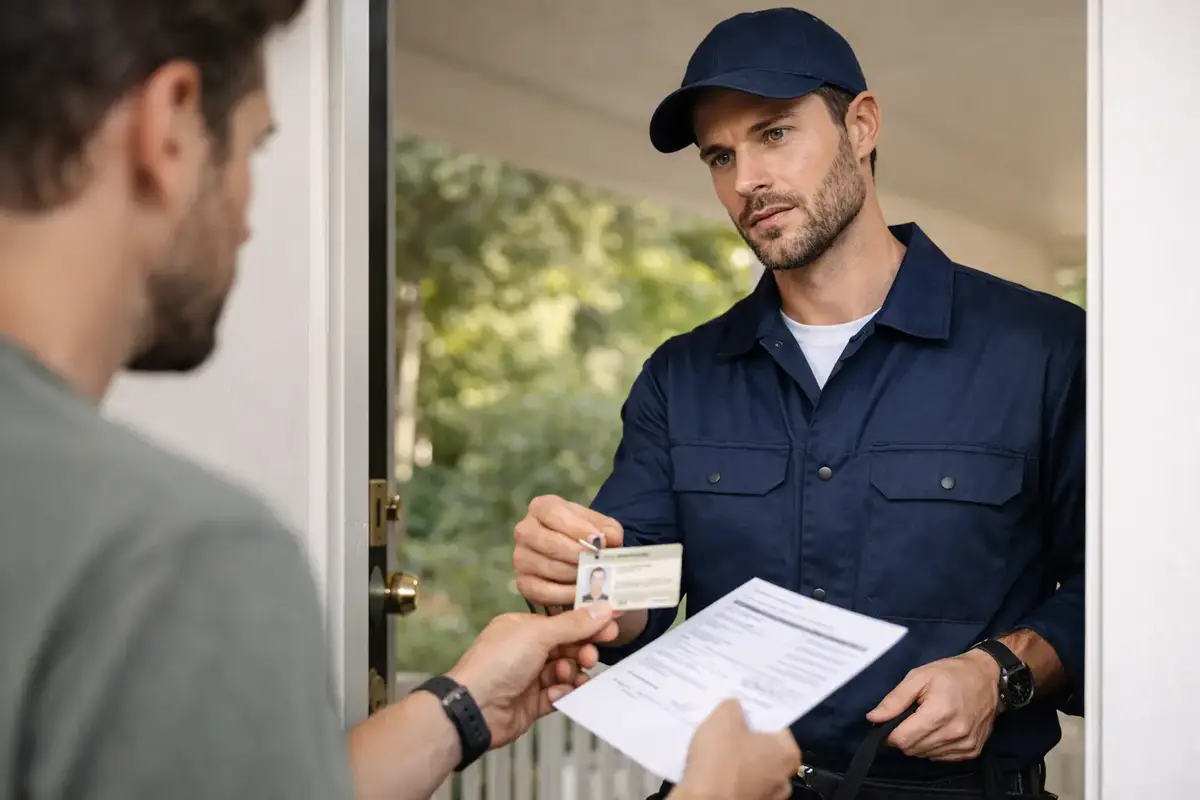
Locksmiths verify ownership by requesting valid photo identification, utility bills, or official property documents before services. This standard security practice protects homeowners from unauthorized access and ensures services go to legitimate property owners. Locksmiths typically accept driver’s licenses, passports, recent utility bills, or property title deeds as proof. If you’re locked out without identification, alternative verification methods like landlord confirmation or neighbor identification may work. Understanding ownership verification requirements helps you prepare for emergency lockout situations and ensures faster service.
Key Takeaways:
We know photo identification isn’t always accessible during emergencies, especially when you’re unexpectedly locked out. Picture this: you’re heading to bed and suddenly remember the bins need taking out. You rush downstairs and step outside when the door slams shut behind you. Now you’re locked outside your house without keys or identification. The locksmith requires proof that you live at this address before letting you back inside. But how do you prove residency without any ID on hand?
Fortunately, you can help prove your identity even without photographic identification available. During emergencies when standard identification isn’t accessible, alternative verification methods may be accepted. Options like landlord confirmation or neighbor identification can help verify your ownership or residency.
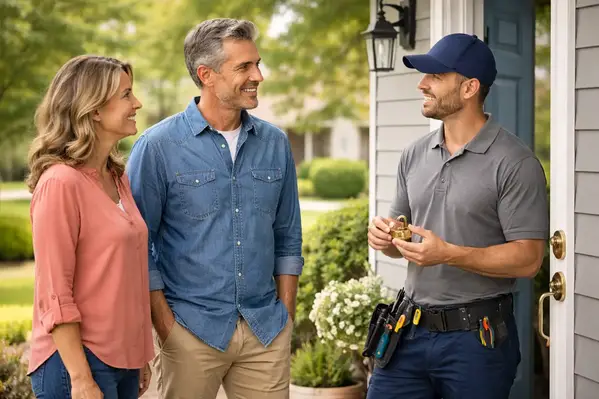
When traditional identification cannot be provided, consider these alternative options:
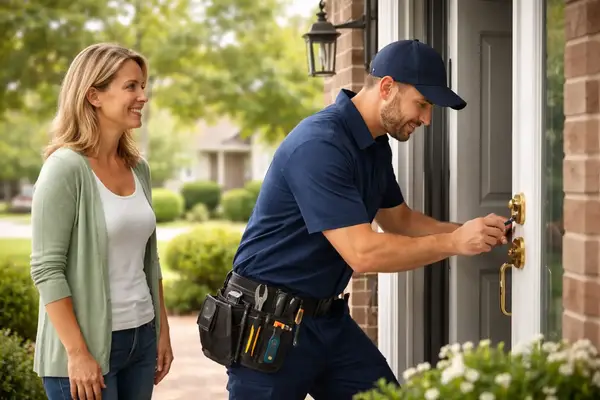
Locksmiths confirm ownership as standard procedure to maintain the security and integrity of their services. Confirming ownership ensures that authorized residents or individuals are requesting the locksmith services needed. Verifying property ownership ensures locksmith services go only to rightful property owners or residents. This prevents individuals attempting to gain unauthorized access from receiving locksmith assistance or services. By confirming ownership, locksmiths protect property owners from potential theft or service misuse effectively. Ownership verification remains a crucial component of the professional locksmithing industry today.
Understanding how locksmiths verify ownership helps you prepare for unexpected lockout emergencies and situations. Always keep important identification documents accessible, even when stepping outside your home briefly or temporarily. If you find yourself locked out without identification, don’t panic about the verification process ahead. Contact trusted individuals like landlords, family members, or neighbors who can help verify your identity. Remember that ownership verification protects you from unauthorized access and potential security breaches at your property.
When you need reliable locksmith services, choose a reputable Mobile Locksmith who follows proper verification procedures. A professional Mobile Locksmith will always prioritize your security while providing fast emergency assistance services. They understand that lockout situations happen unexpectedly and will work with you to verify ownership. Keep your locksmith’s contact information saved in your phone for quick access during emergencies. Proper preparation and understanding verification requirements ensure smooth, secure locksmith services when you need them most.
What identification do locksmiths accept for ownership verification?
Locksmiths typically accept photo identification like driver’s licenses or passports showing your current address. Recent utility bills, bank statements, or mail addressed to you at the property also work. Property title deeds can verify ownership, though they’re rarely used in emergency lockout situations.
Can a locksmith open my door without any identification at all?
Most professional locksmiths will refuse service without some form of identification or verification available. This protects property owners from unauthorized access and maintains industry security standards and regulations. Alternative verification methods like landlord or neighbor confirmation may be accepted in emergencies.
How long does the ownership verification process typically take?
The verification process usually takes only a few minutes when you have proper identification ready. If alternative verification methods are needed, it may take longer depending on landlord availability. Having your identification prepared in advance speeds up the entire locksmith service process significantly.
What happens if my neighbor can’t verify my identity to the locksmith?
If your neighbor cannot verify your identity, the locksmith may request additional verification methods instead. Contact your landlord, family members, or try accessing other documents proving residency through alternative means. Without adequate verification, the locksmith will likely refuse service to protect property security and safety.
Do all locksmiths follow the same ownership verification procedures?
Reputable, professional locksmiths follow similar verification procedures to maintain industry standards and protect property owners. However, specific verification methods may vary slightly between different locksmith companies and service providers. Always choose licensed, insured locksmiths who prioritize security and follow proper verification protocols consistently.