March 13, 2026

Most professional locksmiths require proof of ownership before providing services, though it’s not legally mandated in most U.S. states. Reputable locksmiths request ownership verification as a security measure to prevent unauthorized property access and protect both the property owner and the locksmith from potential liability. Common acceptable forms of proof include valid government-issued photo identification (such as a driver’s license) that matches the property address, utility bills or lease agreements showing residency, property deeds or title documents, vehicle registration papers for automotive locksmith services, and in some cases, digital verification through email or mobile apps.
While the specific documentation requirements may vary between residential, commercial, and automotive locksmith services, certified locksmiths consistently prioritize identity verification to ensure they’re assisting legitimate property owners or authorized individuals. The absence of proper verification procedures can indicate dealings with unlicensed or inexperienced locksmiths, making ownership proof not just a security protocol but also a marker of professional locksmith service quality and ethical business practices.
Locksmiths serve as guardians of our safety, functioning as comprehensive security specialists rather than simply technicians who work with keys. Beyond basic lock and key operations, these highly trained professionals handle diverse security solutions that protect homes, businesses, and vehicles from unauthorized access. Their expertise encompasses everything from traditional mechanical locks to cutting-edge electronic security systems, biometric access controls, and smart lock installations that integrate with modern home automation platforms.
Professional locksmiths perform critical services including emergency lockout assistance, lock rekeying, master key system design, and security audits that identify vulnerabilities in existing protection measures. They install and maintain advanced locking mechanisms such as high-security deadbolts, keyless entry systems, and commercial-grade security hardware designed to withstand forced entry attempts. Their services extend from implementing state-of-the-art security infrastructure to providing expert consultation on safeguarding your most valuable possessions, whether that means securing sensitive business documents, protecting family heirlooms, or fortifying entry points against break-ins.
A traveling locksmith specializing in mobile security services delivers these critical solutions directly to clients’ locations, eliminating the inconvenience and security risks associated with transporting locks or leaving properties unsecured. These mobile professionals earn client confidence by responding rapidly to emergencies, arriving fully equipped with specialized tools and inventory, and securing their customers’ most critical assets with precision workmanship and reliable solutions that provide lasting peace of mind.
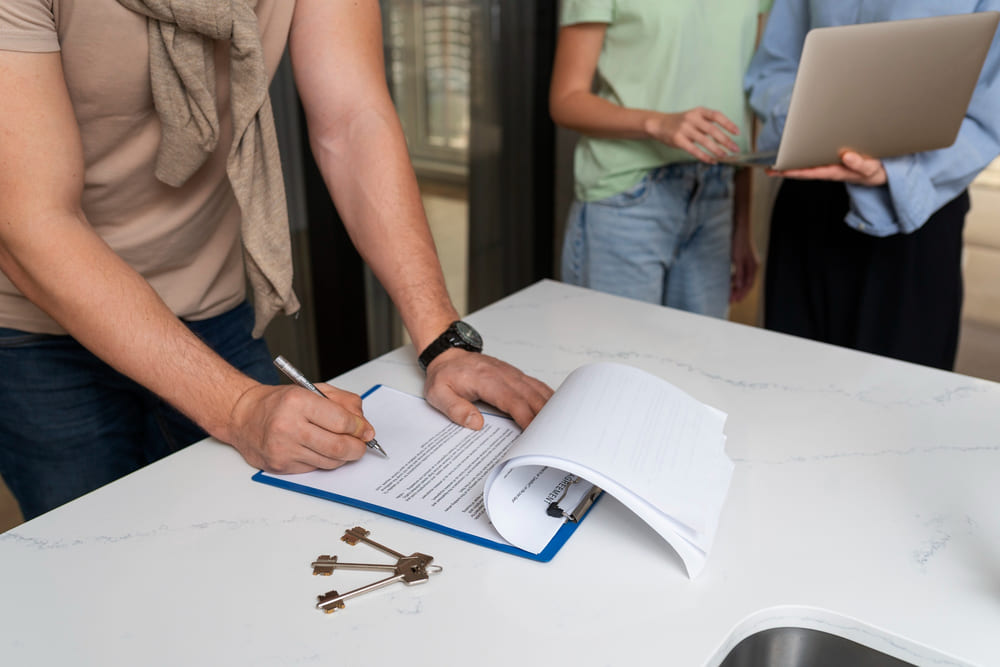
Whether proof of ownership is essential for locksmith work remains a point of discussion among property owners, security professionals, and locksmiths themselves. Some view ownership verification as a crucial safety protocol that protects both the property owner and the locksmith from potential fraud or criminal activity, while others see it as an unwarranted complication that creates delays during emergencies and adds frustration to already stressful lockout situations. The reality shows that ownership verification requirements shift considerably based on specific circumstances, including the type of property involved, the nature of the service being requested, local legal requirements, the time of day, and whether the situation involves an emergency lockout or a scheduled security upgrade.
Whether engaging a business locksmith to secure commercial premises with multiple access points or a home locksmith for residential lock changes and emergency entry services, any qualified and professional locksmith operating with ethical standards will request some form of verification before performing work that grants property access. This verification process protects legitimate property owners from unauthorized entry attempts, safeguards the locksmith from unknowingly assisting in burglary or trespassing, and maintains professional accountability within the security industry. Reputable locksmiths understand that requesting identification, property documentation, or other proof of ownership demonstrates their commitment to security integrity rather than simply providing services without consideration for potential consequences.
That said, when your primary goal is protecting your property investment and ensuring your belongings remain secure from unauthorized access, going the additional mile to supply appropriate ownership proof, whether that means presenting a driver’s license matching the address, providing a recent utility bill, showing lease agreements, or offering property tax documentation, can significantly enhance your overall asset protection strategy and establish a relationship with a trustworthy security professional.
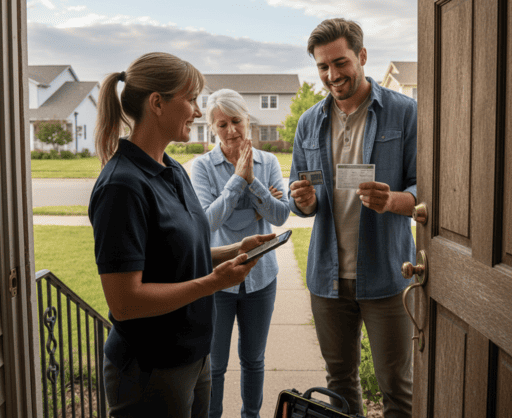
Verifying ownership to a locksmith ensures only authorized individuals gain property access. To block unauthorized entry and preserve security, locksmiths typically request ownership verification. Multiple approaches exist for establishing ownership when requesting locksmith work.
Presenting valid government-issued photo identification, like a driver’s license, represents a common and reliable ownership verification method recommended by consumer protection agencies. The picture ID’s name must correspond with both the individual seeking locksmith work and the property location.
Submitting property-related paperwork, such as deeds or contracts, offers concrete proof of ownership. These documents establish a legal connection between the owner and premises, strengthening the locksmith’s confidence in validating ownership. Real estate professionals often emphasize the importance of maintaining accessible property documentation.
Supplying utility statements or residence verification documents for the property serves as another ownership demonstration method. Such records prove the individual’s tie to the location and confirm their right to property access. This approach is particularly useful for residential locksmith situations.
In certain situations, digital methods like electronic authentication through email or smartphone apps may be acceptable. This might involve sharing credentials or entry codes that align with the property’s ownership information. The Cybersecurity and Infrastructure Security Agency provides guidance on secure digital verification practices.
Providing references or emergency contacts linked to the property can support the ownership confirmation process. These connections may be verified to confirm the locksmith service request’s authenticity.
Were you aware that across most U.S. states, locksmiths or locksmith businesses face no legal obligation to confirm ownership or property rights? However, security industry regulations in various jurisdictions provide guidelines for professional conduct, and federal agencies like the FBI recommend verification procedures to prevent security breaches.
However, would you feel comfortable with someone who skips the additional precaution of ensuring they’re assisting only those with legitimate access? This explains why reputable locksmith businesses voluntarily adopt extra measures to ensure their customers’ security and confidence. Conversely, a locksmith business’s neglect of identity verification might signal trouble, suggesting involvement with unlicensed or inexperienced locksmiths. Organizations like the Associated Locksmiths of America promote industry standards and best practices.
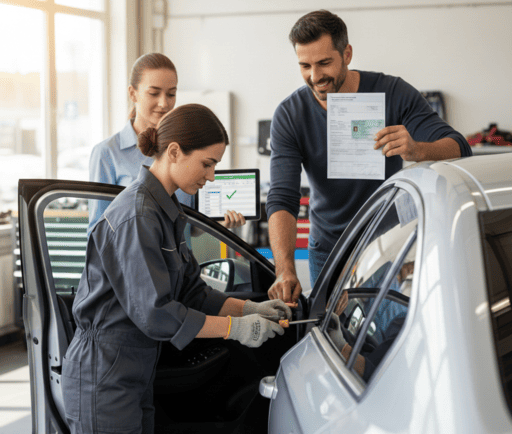
When requiring a skilled car locksmith to assist with your vehicle during a lockout, key replacement, or ignition system repair, proving you’re the legitimate owner becomes absolutely essential for both legal protection and security integrity. This verification step is critical for maintaining your vehicle’s security and preventing unauthorized individuals from exploiting locksmith services to gain access to vehicles they don’t own, which could facilitate theft, unauthorized use, or criminal activity. Professional automotive locksmiths take this responsibility seriously, understanding that their services could potentially be misused without proper safeguards in place.
Furthermore, certain automotive locksmiths and dealership-affiliated services might request the Vehicle Identification Number (VIN) for additional ownership confirmation and to ensure they’re programming keys or accessing security systems for the correct vehicle. This distinctive 17-character alphanumeric code, which serves as the vehicle’s unique fingerprint, appears in multiple locations including the driver’s side door jamb sticker, the dashboard visible through the windshield on the driver’s side, and on official documentation like the title and insurance papers. The VIN allows locksmiths to verify vehicle details against your provided documentation and order manufacturer-specific parts when necessary.
AAA members often have additional verification options through their membership services, as the organization maintains member vehicle records that can confirm ownership during roadside assistance calls, potentially expediting the verification process and reducing delays when professional locksmith services are dispatched through AAA’s network of trusted automotive security providers.
Understanding the importance of ownership verification in locksmith services protects both property owners and service providers. While legal requirements may vary by location, working with professional locksmiths who prioritize identity verification demonstrates their commitment to security and ethical practices. Always prepare proper documentation before requesting 24-hour emergency locksmith services, including valid photo identification, property records, or utility bills that establish your connection to the property. This proactive approach not only expedites the service process but also ensures you’re working with reputable professionals who take security seriously.
Remember that legitimate locksmiths view ownership verification as a protective measure, not an inconvenience, helping prevent unauthorized access and potential security breaches as emphasized by property safety experts. Whether you need assistance with broken key extraction or require emergency support, choosing certified locksmiths who follow proper verification protocols means you’re investing in the long-term safety and integrity of your property. For trusted locksmith services that prioritize your security, contact us today to learn more about our team and commitment.
What happens if I don’t have proof of ownership during a lockout emergency?
A reputable locksmith will still require some form of verification before providing service, even in emergencies. You may need to provide alternative documentation like mail addressed to the property, digital verification through email, or have a neighbor or property manager vouch for your residency.
Can a locksmith legally refuse service if I can’t prove ownership?
Yes, professional locksmiths have the right to refuse service if they cannot verify ownership or authorized access. This refusal protects both the locksmith from potential legal liability and prevents them from unknowingly assisting in unauthorized property access.
Do I need different proof of ownership for residential versus commercial locksmith services?
The basic verification requirements remain similar, but commercial properties may require additional documentation like business licenses or lease agreements. Commercial locksmiths often verify authorization through property management companies or business ownership records.
How long does the ownership verification process typically take?
Most ownership verification takes only a few minutes if you have proper documentation ready. Digital verification methods can be even faster, though physical document review typically occurs on-site before the locksmith begins work.
Will my locksmith keep records of my ownership verification documents?
Reputable locksmiths may keep service records including dates and types of verification provided, but should not retain copies of your personal identification documents. Always ask about their privacy policies and document handling procedures before service begins.