March 25, 2026

When a key breaks off inside a lock, immediate action is crucial to prevent further damage and security risks. DIY extraction is possible for standard pin tumbler locks using needle nose pliers, strong magnets, or specialized key extractor tools, but automotive and high-security locks require professional locksmith assistance to avoid costly damage.
Common causes of broken keys:
DIY extraction methods for visible key fragments:
When to call a locksmith:
Prevention involves lubricating locks every six months with silicone spray and replacing keys when worn edges appear. Broken keys left inside locks can damage internal mechanisms, compromise security if doors won’t lock, or leave you locked out if already engaged.
If you’ve ever experienced the sinking feeling of a broken key stuck in your lock, you’re not alone in this common household emergency. Multiple factors contribute to this inconvenient problem.
Traditional house keys are constructed from relatively pliable metals, including brass and nickel alloys that lack the strength of harder materials.
Your key has experienced continuous degradation from daily use and environmental exposure that gradually compromises its durability and resistance to breaking.
Your lock assembly lacks proper maintenance with adequate lubrication, or internal mechanisms have become stuck, forcing you to apply excessive torque that snaps your key.
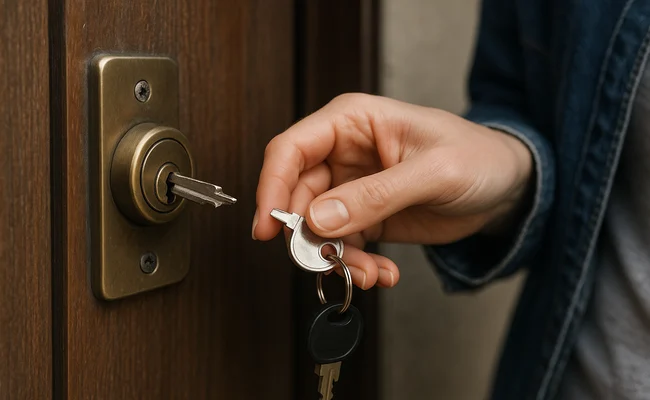
Nothing ruins your day quite like discovering your key has broken off inside the lock, leaving you frustrated and potentially locked out of your own space. Whether this happens at your residential property, commercial building, or with your automobile, you need to address this emergency situation without delay.
Let me explain exactly why procrastination isn’t an option when dealing with this lockout crisis:
Your success in removing a broken key hinges entirely on recognizing what type of lock you’re working with. This critical first step determines whether you’ll solve the problem in minutes or need to call for backup.
Standard pin tumbler locks give you the green light for DIY solutions. These workhorses appear on most home entrances, and their forgiving design makes them perfect for trying multiple extraction techniques. You’ll find success using key extractor tools, controlled tapping methods, or improvised solutions like saw blades. The simple internal structure of pin tumbler locks means you can experiment with confidence without worrying about causing irreversible damage.
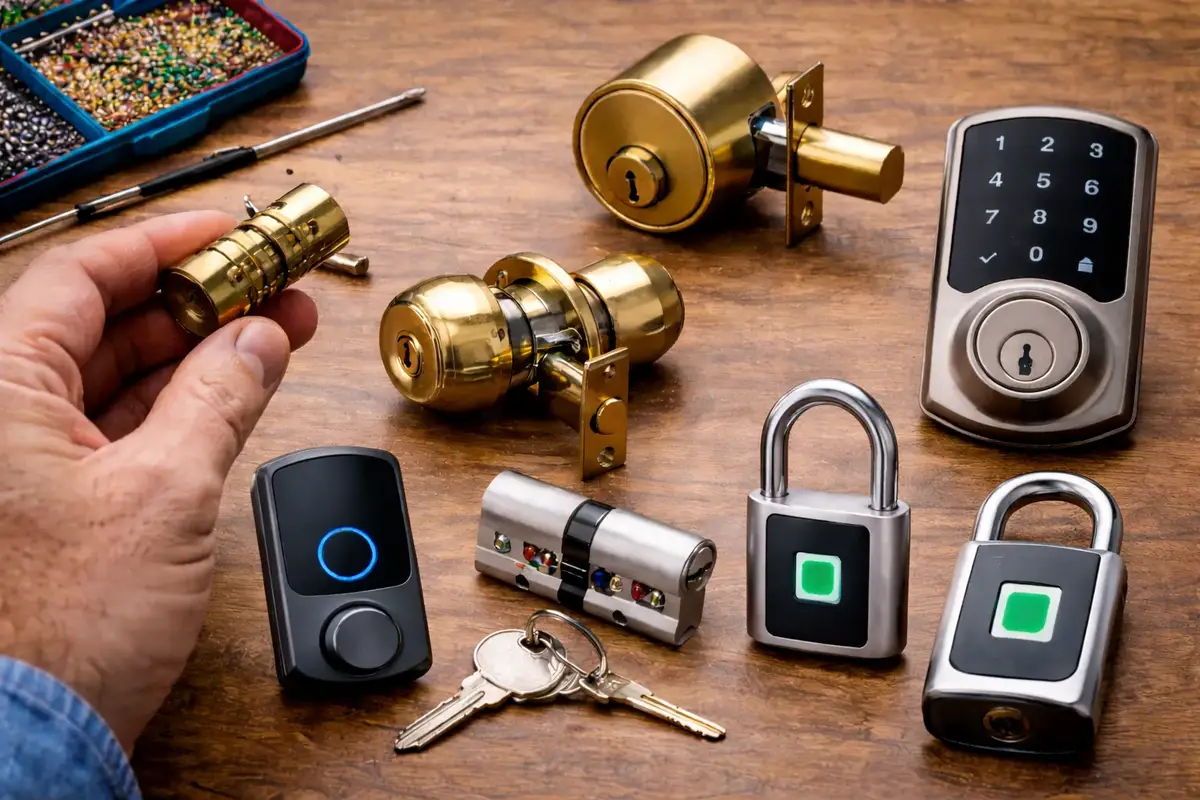
Automotive locks and high security systems require a completely different mindset. Modern car locks, digital access systems, and biometric locks contain delicate electronic components and complex mechanical parts that don’t tolerate amateur repair attempts. These sophisticated systems can turn a simple broken key problem into a costly replacement scenario if you attempt DIY extraction. Professional locksmiths have the specialized knowledge and tools necessary to navigate these intricate mechanisms safely.
Padlocks and tubular locks present their own unique challenges that demand specific approaches. Each type has a distinct internal architecture that responds to particular extraction techniques, and using the wrong method can transform a fixable situation into a replacement requirement.
Your takeaway strategy should always start with lock identification. This crucial step guides you toward the most effective extraction method and helps you make the right decision about handling the repair yourself or seeking professional assistance.

Finding a broken key stuck in your lock can feel overwhelming, but you have several options to resolve this frustrating situation. If part of the key remains visible outside the lock, count yourself fortunate. Try grasping the exposed portion with your fingertips and pulling it directly out of the keyhole.
When the visible piece is too small to grip properly, you’ll need to use some common household tools.
Limited visibility of the broken key makes extraction more challenging. Needle nose pliers become your primary tool for gripping small metal fragments. Strong magnets also work effectively for pulling out broken key pieces, assuming your key contains magnetic materials.
Critical advice: resist the urge to keep poking at the key if you can’t grab it immediately. Excessive manipulation often pushes the broken fragment further into the lock, making professional removal necessary. Proceed very carefully with your attempts.
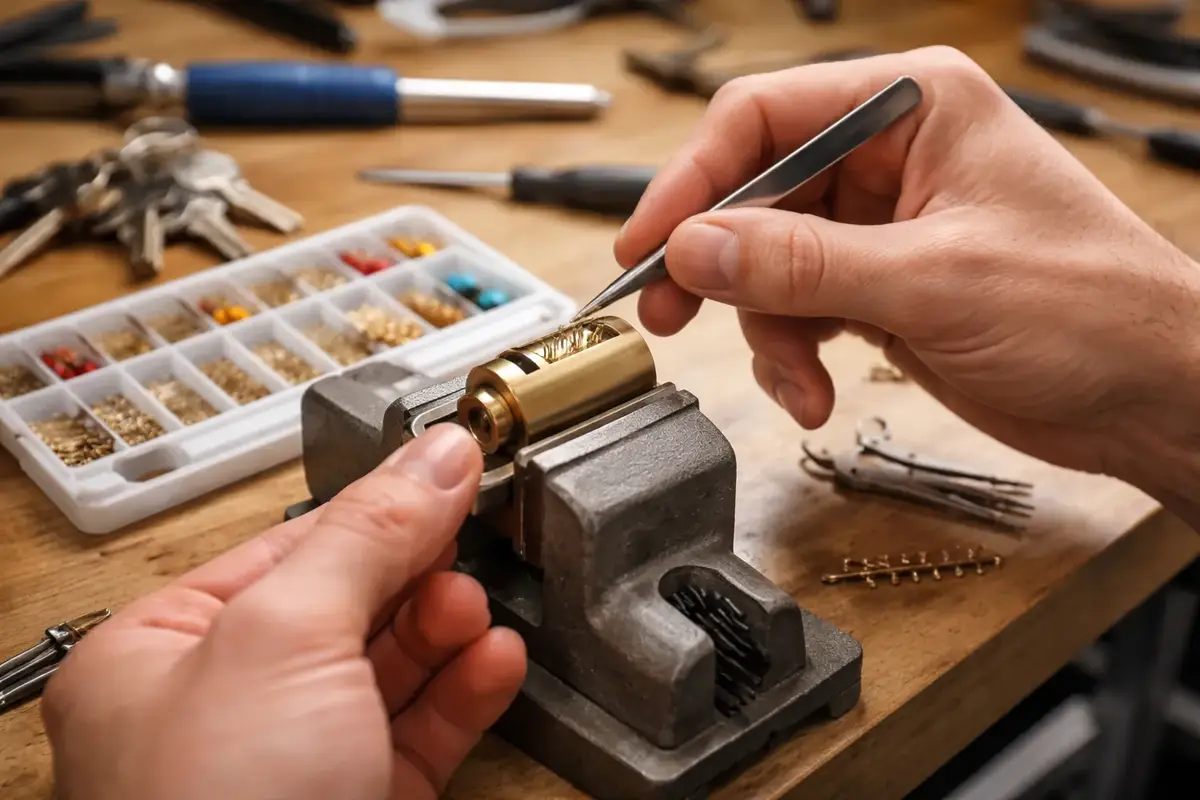
When broken key fragments lodge deep inside the lock mechanism, locksmiths turn to specialized key extractor tools.
Key extractors feature thin, sturdy metal construction with specialized hook or spiral tip designs. These tools grab onto broken key fragments by engaging with the key’s natural serrations. The extractor’s design provides the leverage needed to pull stuck pieces from the lock cylinder.
Though key extractors might appear simple to use, these tools require professional skill for safe operation. Proper extraction demands experience and patience. Inexperienced use often results in pushing the fragment deeper or causing permanent lock damage.
Desperate situations sometimes lead people to try the saw blade method. This approach demands extreme precision and care. Slide a small saw blade into the lock, positioning it alongside the broken key’s serrated edge. Hook the blade onto the key fragment, then gently extract both pieces together. The saw blade’s teeth should catch the key’s edge for successful removal. This method carries high risk of lock damage when performed incorrectly, making it suitable only as your final option.
Remember that successful key extraction often requires multiple attempts. Plan for several careful tries to completely remove the broken piece. Patient, methodical work prevents pushing the fragment deeper and avoids damaging your lock’s internal mechanisms.
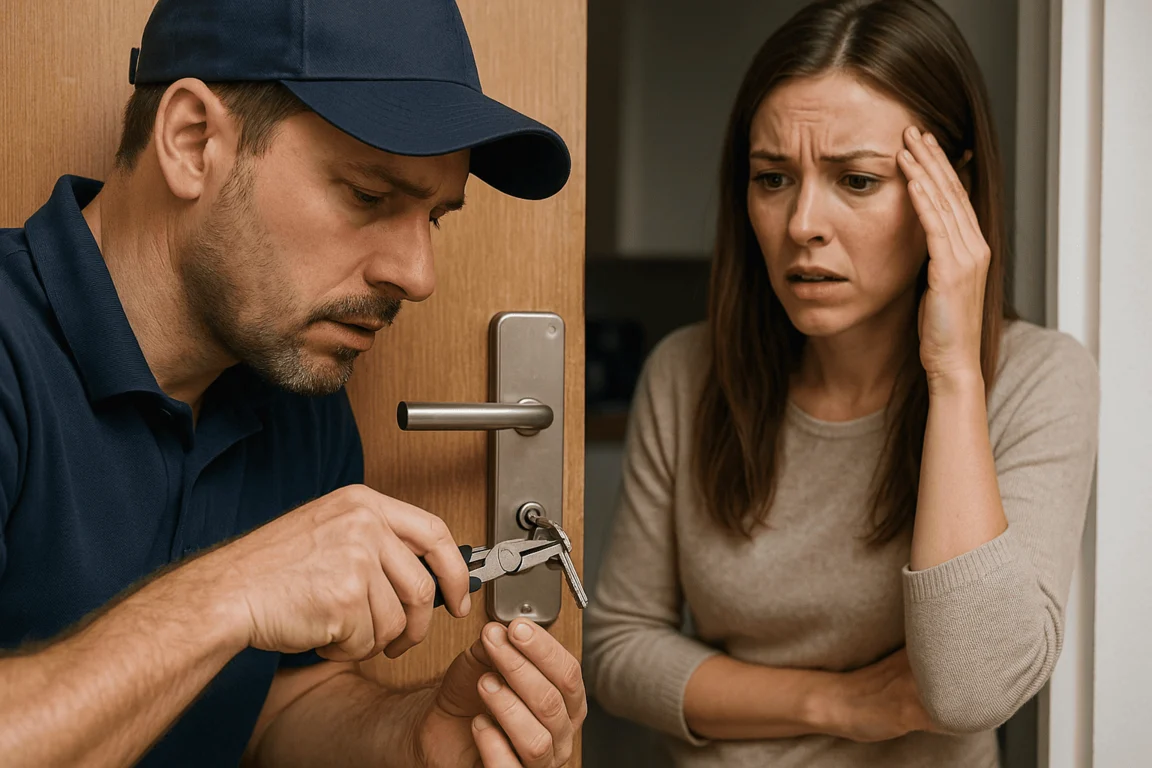
While these DIY approaches help in certain scenarios, incorrect removal attempts frequently damage lock cylinders and create more expensive repairs. If your removal efforts prove unsuccessful or you lack confidence in attempting these methods, immediately contact a qualified locksmith. Professional locksmiths possess the right tools and expertise to extract broken keys from any lock without causing additional damage.
Finding yourself with a key that’s broken off entirely within the lock mechanism puts you in a tough spot. The reality is that successful removal becomes much more difficult when you can’t see or grab any part of the broken piece.
Your best starting approach involves using a thin flathead screwdriver that fits into the lock without excessive force. Insert it carefully and try to manipulate the key fragment’s position by applying gentle leverage. You want to coax even the smallest bit of the key toward the opening where you can access it.
If you succeed in exposing any portion of the broken key, immediately switch to needle nose pliers for removal. For keys made with magnetic metals, a powerful magnet might help draw the fragment outward. Take your time with each attempt and stop if you feel resistance that could damage the lock’s internal components.
Keep in mind that forcing tools into delicate lock mechanisms often creates additional problems that cost more to fix. When your careful attempts don’t produce results quickly, bringing in a professional locksmith with proper extraction equipment becomes your most economical choice.

Nobody wants to deal with the frustration of a key snapping off inside their lock. The good news is that you can take simple steps right now to prevent this headache from happening to you in the first place.
Your keys are probably breaking because you’ve been neglecting your locks. When you don’t maintain your locks properly, they create friction that puts extra stress on your keys every time you turn them. Grab a silicone based lubricant and spray it into your keyhole every six months. If you start hearing grinding sounds or feel resistance when you’re locking your door, don’t wait – lubricate immediately.
Your keys take a beating every single day. You’re constantly pulling them out of your pocket, tossing them on counters, and jamming them into locks. Look at your keys right now. Do you see worn edges or scratches? Those are warning signs that your key is getting weak. Stop using that old key and get a fresh copy made today. Your future self will thank you when you’re not stuck outside your own home.
Recognizing when to stop your DIY efforts and call a locksmith is crucial for protecting both your time and your lock. If you’ve been working on the problem for an extended period or feel uncertain about your next steps, professional intervention becomes the smart choice. Continuing to fumble with household tools when you’re not making progress often leads to more complications.
The moment you start worrying about causing further damage to your lock mechanism, that’s your cue to contact a professional locksmith. These experts possess the right equipment and technical knowledge to handle broken key extractions efficiently. By choosing professional service over prolonged DIY attempts, you’re prioritizing a quick resolution while keeping your lock mechanism safe from unnecessary wear and potential damage.
Dealing with a broken key stuck in your lock can instantly turn a normal day into a stressful emergency. This comprehensive guide walks you through everything you need to know about extracting broken keys from various lock types, from simple DIY methods to knowing when professional help is essential. The article covers why keys break in the first place, immediate actions you should take, and step by step extraction techniques using common household tools like needle nose pliers and magnets. For complex situations involving automotive locks or high security systems, the expertise of Mobile Locksmith professionals becomes invaluable. The guide also emphasizes prevention strategies, including proper lock lubrication and timely key replacement, to help you avoid this frustrating situation entirely. Whether you’re locked out or dealing with a compromised security situation, understanding these techniques and knowing when to call Mobile Locksmith can save you time, money, and additional lock damage.
1. What causes house keys to break inside door locks?
Keys typically break due to a combination of factors including the use of softer metals like brass and nickel alloys in key construction, continuous wear from daily use and environmental exposure, and poorly maintained locks that lack proper lubrication. When locks become sticky or internal mechanisms get stuck, you end up applying excessive force that can snap your key at its weakest point.
2. Can I extract a broken key myself or should I call a professional locksmith?
You can attempt DIY extraction if you’re dealing with standard pin tumbler locks and part of the key is still visible. Use needle nose pliers or strong magnets for removal. However, if you’re working with automotive locks, high security systems, or if the key is completely inside the lock mechanism, it’s best to contact a professional locksmith immediately to avoid costly damage.
3. What tools do I need to remove a broken key from my lock?
For basic extraction attempts, you’ll need needle nose pliers for gripping visible key fragments and strong magnets if your key contains magnetic materials. Professional locksmiths use specialized key extractor tools with hook or spiral tips designed to engage with the key’s serrations. Avoid using improvised tools like saw blades unless it’s your absolute last resort, as these carry high risk of lock damage.
4. How can I prevent my keys from breaking in locks?
Prevention involves two key practices: regular lock maintenance and timely key replacement. Lubricate your locks with silicone based spray every six months or immediately when you hear grinding sounds or feel resistance. Replace your keys when you notice worn edges or scratches, as these are warning signs of weakening metal that could lead to breakage.
5. Is it safe to continue using my lock after extracting a broken key?
After successful extraction, test your lock carefully with a spare key to ensure all mechanisms function properly. If you notice any sticking, grinding, or difficulty turning the key, your lock may have sustained internal damage during the extraction process. In such cases, have a professional locksmith inspect and service your lock to prevent future security issues or complete lock failure.