March 27, 2026

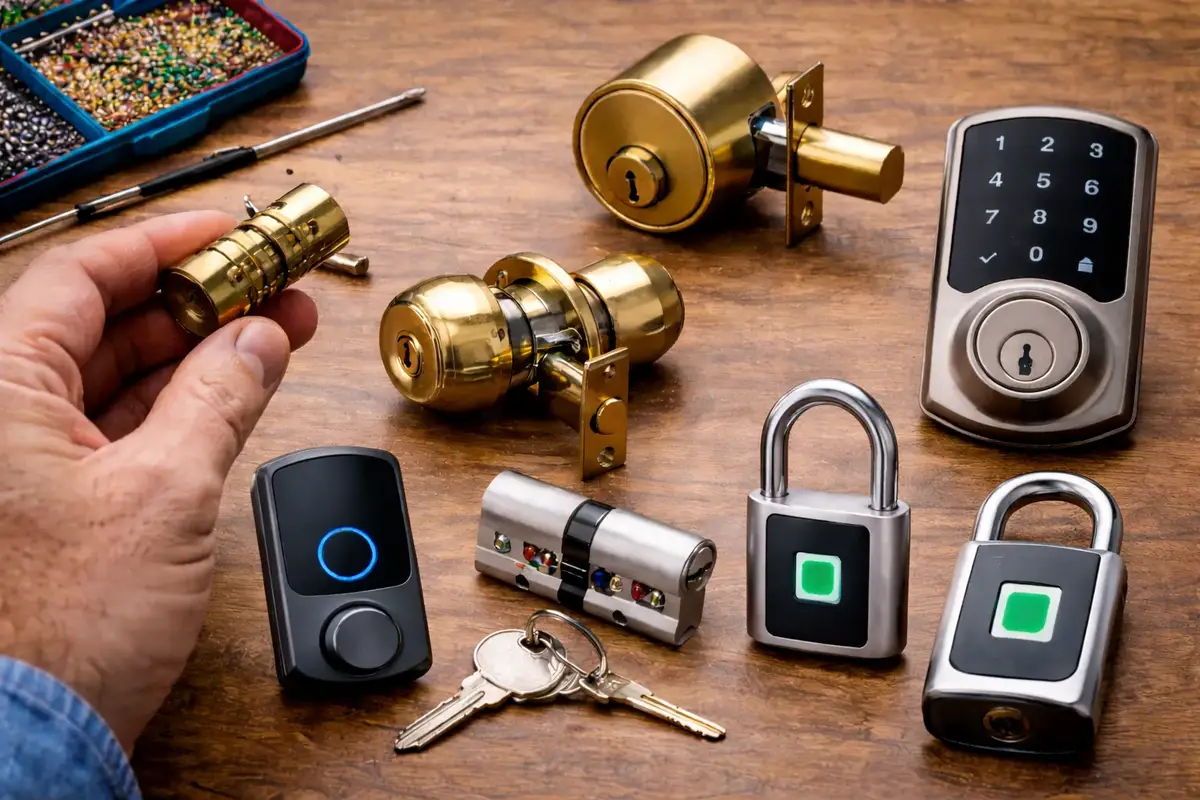
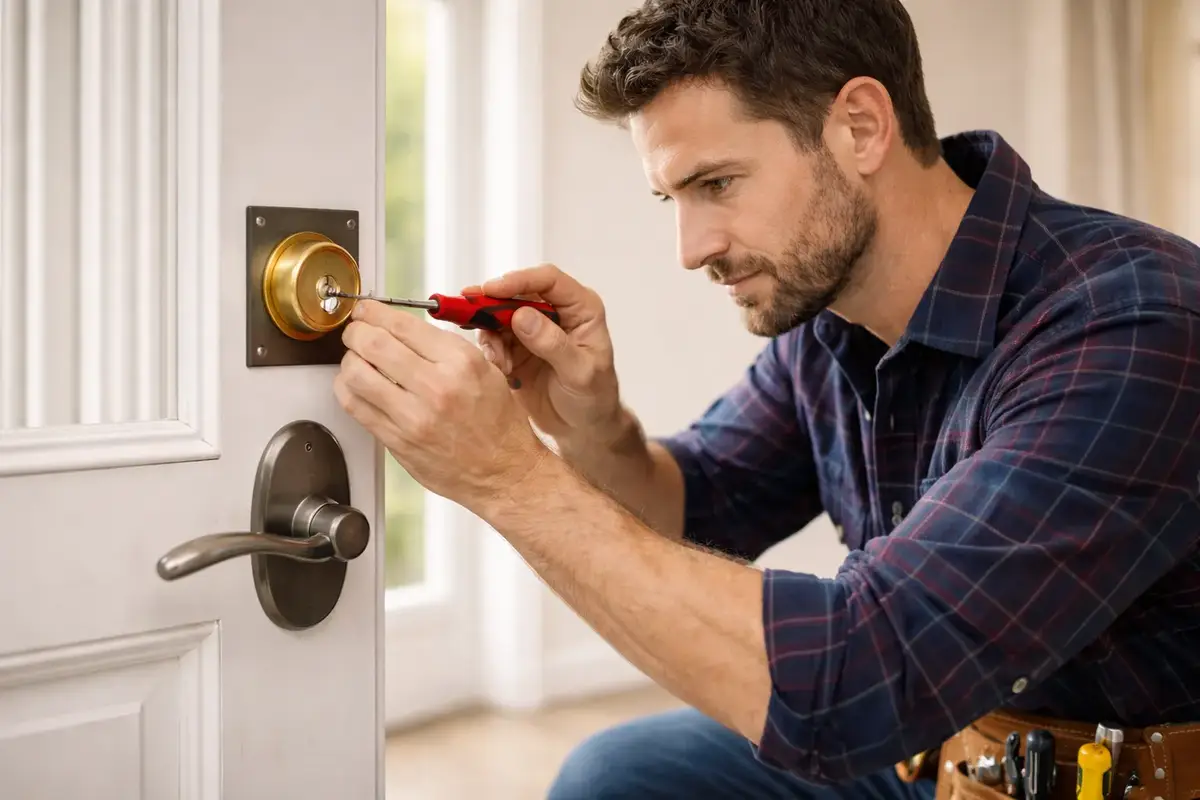
Yes, professional locksmiths can create new keys without originals using specialized techniques like impressioning, lock decoding, and computerized key cutting. The process typically takes 15-30 minutes for basic keys and 1-2 hours for complex car keys with transponder chips.
Locksmiths use several methods to create keys without originals:
To create a key without the original, locksmiths need proof of ownership, access to the lock, and proper identification. Modern professionals use electronic cutting machines, laser technology for high-security keys, and digital programming equipment for smart keys. This service is particularly valuable during lockouts, lost key emergencies, or when purchasing used vehicles without complete key sets.
Professional locksmiths maintain proper licensing, insurance, and industry certifications to ensure secure and reliable service. They can handle everything from traditional house keys to advanced automotive systems with encrypted transponders.

Keys represent more than simple metal tools. They symbolize trust and security in our daily lives. Each key provides unique access to specific locks. Though keys may look similar, their grooves create individual patterns. These tiny differences make each key distinct and secure.
Locksmiths have improved key designs throughout history. They added complex patterns to prevent unauthorized copying. Modern keys feature intricate cuts that match specific lock mechanisms. This evolution makes duplicating keys without permission extremely difficult. Security improvements continue to advance with technology. Security research published by major insurance industry reports shows high-security locks reduce burglary attempts significantly.
Locks have fascinated people since ancient Egyptian times. Early wooden locks evolved into today’s sophisticated security systems. The basic principle remains unchanged through centuries. Only the correct key can open its matching lock.
Inside each lock, pins must align perfectly with key grooves. This alignment allows the lock cylinder to turn freely. When you insert the correct key, magic happens. The pins lift to exact heights, releasing the mechanism. Wrong keys fail because their grooves don’t match properly.
Professional locksmiths possess remarkable skills beyond simple metalwork. They understand how locks communicate through resistance and movement. Experienced professionals can decode locks using specialized tools. They determine the exact depths needed for each cut. This process requires years of training and practice.
Locksmiths compare this skill to playing music by ear. They feel the lock’s internal components through careful manipulation. Each pin provides subtle feedback about required key depths. Master locksmiths interpret these signals to recreate missing keys. Their expertise transforms blank metal into functional keys.
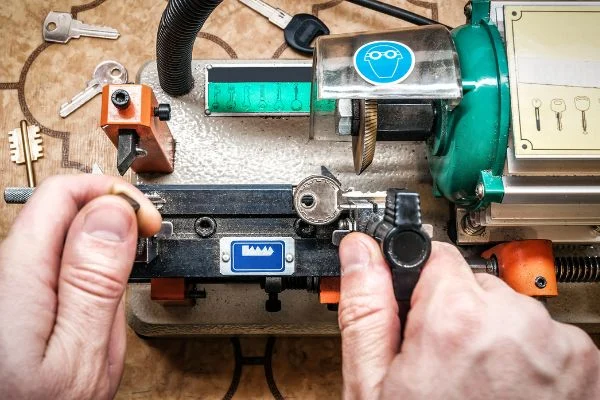
Key creation has always been a transformative craft. Blank metal becomes a security tool through careful shaping. Historical locksmiths used files and chisels for precision work. They shaped each groove by hand with patience. These handcrafted keys protected homes for generations.
The Impressioning Technique
Impressioning involves creating marks on soft key blanks. Locksmiths insert blanks into locks and turn gently. The lock’s pins leave telltale marks on metal. These impressions guide the cutting process perfectly. Skilled professionals read these marks like a map.
Hand-Cutting Methods
Before modern machines, locksmiths cut keys entirely by hand. They used files to create precise groove patterns. Each cut required steady hands and sharp eyes. The process took time but produced reliable results. Master craftsmen passed these skills through apprenticeships.
Casting Techniques
Some locksmiths used molds to create duplicate keys. They pressed original keys into clay or wax. Molten metal filled these impressions to form copies. This method combined metalworking with artistic skill. The results were both functional and sometimes decorative.
Persistence Through Trial
Early locksmiths often worked without precision tools. They modified blank keys through repeated attempts. Each try brought them closer to success. They filed and adjusted until locks opened smoothly. This dedication showed true craftsmanship and patience.
Modern locksmiths combine these traditional techniques with technology. They honor historical methods while embracing new tools. This blend ensures reliable key creation without originals. Today’s professionals can solve almost any lock challenge. Their services provide security and peace of mind.
Electronic Key-Cutting Systems
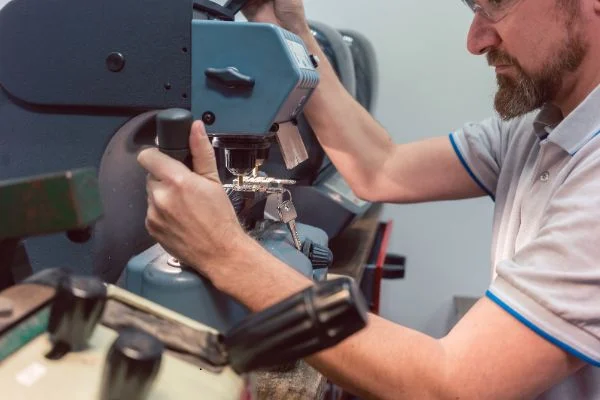
Technology revolutionized how locksmiths create keys today. Electronic cutting machines replaced traditional hand-filing methods completely. These systems scan locks with incredible precision automatically. They analyze internal structures and create exact specifications. Modern machines carve perfect key replicas within minutes.
Electronic cutters eliminate human error from cutting processes. Locksmiths program machines with specific key codes easily. The equipment handles everything with millimeter-perfect accuracy. This technology makes key creation extremely reliable. Professional locksmiths serve more customers efficiently than ever.
Laser-Cut Key Technology
Vehicle manufacturers developed laser-cut keys for enhanced security. These keys feature intricate patterns on both sides. Standard machines cannot duplicate these complex designs properly. Only specialized laser equipment recreates them accurately.
Laser beams etch patterns impossible to achieve manually. These keys offer superior protection against unauthorized duplication. Car owners benefit from this enhanced security daily. Professional locksmiths invest in expensive laser equipment regularly.
Digital Key Cloning
Modern keys contain microchips with encrypted digital information. These chips communicate with vehicles’ computer systems directly. Without proper programming, keys won’t start engines successfully. This dual system prevents traditional copying methods entirely.
Locksmiths clone both physical and digital components now. Specialized readers capture chip data from original keys. Programming equipment transfers information to new chips perfectly. This technology requires significant training and expensive tools.
Advanced Decoding Equipment
Today’s locks incorporate sophisticated electronic security systems frequently. Some use digital codes instead of physical pins. Locksmiths need specialized tools for these modern locks. Digital decoders read electronic signatures within seconds.
These tools interpret complex protocols from smart locks. They determine access codes without requiring physical keys. Professional locksmiths invest heavily in modern equipment continuously. They balance traditional skills with technological expertise effectively. This combination ensures they handle any security situation. Modern locksmithing blends craftsmanship with cutting-edge technology seamlessly.
Computerized Key Cutting Machines
Computerized cutting machines represent decades of locksmithing evolution. These devices combine traditional knowledge with computer precision. They create keys that fit perfectly every time. Modern machines read exact specifications from lock databases. The computer guides cutting tools with microscopic accuracy.
These systems eliminate guesswork from the key-making process. Locksmiths input codes and machines produce flawless results. The technology ensures consistent quality across thousands of keys. Each cut matches manufacturer specifications exactly without variation. This reliability has transformed the locksmith industry completely.
Professional locksmiths appreciate these technological advances greatly. Computerized machines reduce waste and save valuable time. They handle complex key patterns that challenge manual methods. The harmony between human expertise and machine precision continues. This partnership delivers superior results for every customer.
Digital Locks and Biometrics
Traditional metal keys are becoming less common today. Digital locks use fingerprints, eye scans, and facial recognition. Your body itself becomes the access key. These systems offer convenience and enhanced security benefits. They eliminate problems like lost or stolen keys.
Biometric technology challenges locksmiths to expand their skills. They must understand electronic circuits and programming languages. Installation requires knowledge of computer systems and networks. Troubleshooting involves both hardware and software expertise. Modern locksmiths embrace these educational opportunities enthusiastically.
Remote Keyless Systems
Physical car keys are disappearing from daily use. Vehicles respond to signals from fobs and smartphones. Drivers unlock doors without removing devices from pockets. Starting engines requires only pushing a button. This convenience has revolutionized vehicle access completely.
Remote systems demand new locksmith competencies and tools. Professionals must program transponders and synchronize frequencies correctly. They diagnose communication problems between fobs and vehicles. Understanding encryption protocols becomes essential for modern locksmiths. The industry continues evolving alongside advancing automotive technology.
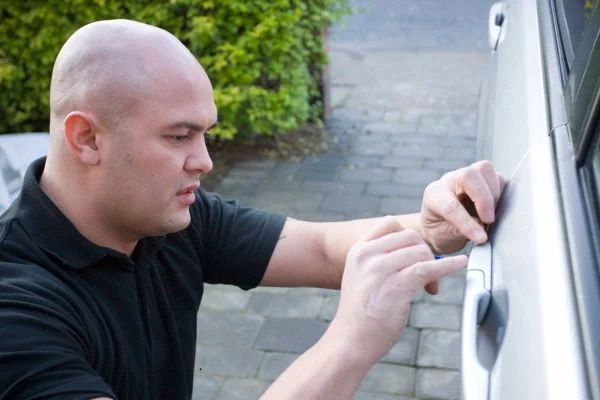
Locksmithing represents a respected trade focused on security. This profession protects people’s valuables and provides peace. Aspiring locksmiths must learn both practical skills and history. They need to understand traditional methods and modern techniques. Success requires dedication and extensive hands-on training.
New locksmiths spend hundreds of hours practicing their craft. They learn to work with various lock types. Each lock presents unique challenges requiring different approaches. Students must develop steady hands and sharp eyes. The learning process never truly ends in this field. Even experienced professionals continue discovering new techniques daily.
Security technology evolves rapidly in today’s digital world. Locksmiths must understand both vintage and modern systems. Older buildings still use traditional mechanical locks. Meanwhile, new constructions feature smart locks and biometrics. Professional locksmiths bridge these different technological eras seamlessly.
Successful locksmiths invest time in continuous education regularly. They attend workshops to learn emerging security technologies. Industry certifications help professionals stay current with standards. This ongoing learning ensures quality service for all customers. Adaptability separates amateur practitioners from true professionals. The best locksmiths embrace change while respecting tradition.
Technical skills alone don’t make successful locksmith businesses. Trust forms the foundation of every client relationship. Customers grant locksmiths access to their most secure spaces. This responsibility requires absolute integrity and professional ethics. Locksmiths must protect client privacy above all else.
Professional locksmiths build reputations through consistent ethical behavior. They arrive promptly and communicate pricing clearly upfront. Quality work and honest dealings create lasting customer relationships. Word-of-mouth recommendations follow naturally from trustworthy service. This trust takes years to build but moments to lose. Ethical locksmiths understand this balance and act accordingly.
Today’s locksmiths blend historical techniques with current technology. Some situations call for traditional hand-filing methods. Other jobs require laser cutters and computer programming. Master locksmiths know when each approach works best. They select tools based on specific job requirements.
Ancient locksmithing wisdom remains relevant despite technological advances. Understanding fundamental lock mechanics helps diagnose complex problems. Traditional skills provide backup when modern equipment fails. The best professionals maintain proficiency in both areas. They honor locksmithing heritage while embracing innovation.
This balanced approach delivers superior results for customers. Locksmiths can handle antique locks and cutting-edge systems. Their versatility ensures solutions for any security challenge. Combining old and new methods creates comprehensive service offerings. Professional locksmiths continue evolving while preserving timeless skills.
Preventing Unauthorized Key Duplication
Keys provide critical access to our personal spaces. Unauthorized duplication poses serious security risks to homeowners. Professional locksmiths implement strict verification procedures before creating copies. They require proof of ownership for all requests. Many use restricted blanks unavailable to amateur copiers. The Federal Trade Commission’s security guidelines emphasize proper identification verification for locksmith services.
High-security keys feature patented designs preventing illegal duplication. Choosing reputable locksmiths ensures your security remains protected. These professionals understand their responsibility in safeguarding access.
Protecting Client Information
Confidentiality forms the foundation of professional locksmith services. Clients trust locksmiths with sensitive security information daily. Ethical professionals treat these details as sacred trust. They never discuss client locations or security arrangements. Professional standards require strict privacy protocols for all jobs. Companies conduct background checks on every staff member. Verification requirements may add time for proper documentation processing. Records are destroyed after completing necessary documentation requirements. These measures ensure client information remains completely secure.
Managing Advanced Lock Systems
Modern locks incorporate complex mechanical and electronic security features. Today’s systems use multiple layers for enhanced protection. Locksmiths must understand these sophisticated mechanisms thoroughly. Professional development keeps them current with emerging technologies.
Manufacturers provide specialized training for proprietary security systems, enabling proper installation and maintenance. Master locksmiths invest heavily in education and equipment.
Addressing Digital Security Risks
Smart locks introduce cybersecurity concerns alongside physical security. Network connections create potential vulnerabilities that cyber criminals exploit. Modern locksmiths must understand both physical and digital threats.
Today’s professionals learn network security and encryption basics, recommending secure passwords and regular updates. Some specialize in diagnosing digital vulnerabilities.
The security landscape evolves daily. Professional locksmiths adapt their skills, balancing convenience with strong security standards to protect valuable assets. Choosing qualified professionals ensures complete security solutions.
Traditional vs. Modern Techniques
Key making blends art with scientific precision. Traditional hand-cutting methods remain effective and affordable, though manual techniques take more time.
Modern laser-cutting and electronic programming cost more due to expensive equipment but deliver superior accuracy and faster results. Customers must balance budget against precision needs based on security requirements.
Professional Expertise Pricing
Expert locksmiths bring years of training to every job, with fees reflecting extensive knowledge and experience. You’re investing in guaranteed quality and peace of mind.
Master locksmiths command higher rates than apprentices but prevent costly mistakes and return visits. Quality workmanship saves money long-term through reliability. Consider professional fees as security investments rather than expenses.
Emergency Service Rates
Lockouts happen unexpectedly at the worst times. Emergency locksmiths provide 24/7 availability for urgent situations, commanding premium pricing for convenience. Night and weekend calls cost significantly more.
Understanding emergency rates helps avoid surprise charges later. Many locksmiths publish after-hours pricing on their websites. Planning ahead by researching emergency services proves valuable. Keep trusted locksmith contacts saved for unexpected situations. Mobile setup eliminates delays associated with shop-based key cutting services. Industry research from professional locksmith associations confirms mobile services reduce response times by 40%.
Key Type Variations
Basic house keys cost less than advanced options. Simple metal keys require minimal materials and labor, making most residential keys affordable.
Modern vehicle keys incorporate sophisticated technology and security features. Transponder chips and remote functions increase costs substantially. Laser-cut automotive keys require specialized equipment for duplication. Smart keys represent the highest price point. Smart key systems may require complete lock replacement services instead of key cutting. The National Institute of Standards and Technology provides detailed specifications for residential lock security standards. Understanding your key type helps establish realistic budget expectations.
Research Reviews and References
Customer feedback reveals valuable insights about locksmith services. Online reviews show real experiences from previous clients. Reading multiple reviews helps identify consistent service patterns. Look for comments about reliability, pricing, and professionalism.
Ask friends and neighbors for personal recommendations too. Local community groups often share trusted service provider names. Personal referrals carry more weight than anonymous reviews. This research investment prevents problems and ensures quality service.
Verify Professional Credentials
Professional locksmiths maintain proper licensing and insurance coverage. Ask to see credentials before hiring any locksmith. Legitimate professionals willingly share certification information with customers. Many belong to recognized locksmith associations or guilds.
Verify that licenses remain current and valid. Check local requirements for specific certifications. Insurance protects both locksmiths and customers during work. Never hire unlicensed individuals for security work.
Clarify Pricing Before Work Begins
Transparent pricing prevents misunderstandings and surprise charges later. Professional locksmiths provide clear estimates before starting work. Ask whether they charge hourly or flat rates. Understand additional fees for emergency or after-hours service.
Request itemized estimates for complex jobs or repairs. Compare quotes from multiple locksmiths for major projects. Be cautious of prices significantly below market rates. Clear pricing agreements protect everyone involved.
Evaluate Professional Equipment
A locksmith’s tools indicate their service capabilities and professionalism. Modern professionals carry both traditional and electronic equipment. Look for organized tool kits and well-maintained equipment. Updated technology shows commitment to current security solutions. Portable key cutting machines provide professional results at your location.
Quality locksmiths use specialized tools for different lock types. Digital programming tools indicate ability to handle modern systems. Professional appearance often reflects the quality of work provided.
These selection tips help identify truly professional service providers. Choose professionals who demonstrate expertise, integrity, and proper equipment.
Professional locksmiths possess the skills and tools to create keys without originals. This valuable service rescues people from lockout emergencies daily. Modern technology combines with traditional craftsmanship for reliable results. Choosing qualified locksmiths ensures your security needs are met properly. They handle everything from basic house keys to complex digital systems. Understanding these capabilities helps you make informed decisions during stressful situations. Whether facing lost keys or needing emergency access, professional locksmiths provide solutions. Their expertise transforms blank metal into functional keys through various techniques. Trust experienced professionals who maintain proper credentials and use quality equipment. Your security deserves nothing less than skilled locksmith services.
How long does it take to make a key without the original?
Basic keys typically take 15-30 minutes using modern equipment. Complex car keys with chips may require 1-2 hours. Emergency services often complete work faster than scheduled appointments.
What information do locksmiths need to create keys?
Locksmiths need proof of ownership and lock access. They may request identification and property documentation. Some require vehicle registration for car keys.
Can all types of keys be duplicated without originals?
Most standard keys can be recreated by professionals. High-security and restricted keys may have limitations. Some manufacturers restrict duplication to authorized dealers only.
How much does key creation without originals cost?
Basic house keys cost $50-150 including service fees. Modern car keys range from $150-500 depending on technology. Emergency services typically charge 50-100% more than regular rates.
Is it safer than keeping spare keys?
Professional key creation eliminates risks of hidden spare keys. Locksmiths verify ownership before creating any keys. This method provides security when emergencies arise unexpectedly.