March 27, 2026

When locked out of your house, immediately check all doors and windows, contact family members with spare keys, and consider calling a professional locksmith who can arrive within 30 minutes. DIY methods like using bobby pins, credit cards on spring bolt locks, or removing door handles can work but risk damage and should be attempted carefully.
Immediate steps during a house lockout:
Rental property lockouts require different steps:
Prevention strategies include:
Professional locksmiths bring specialized tools including tension wrenches, pick sets, and bypass tools for damage-free entry. Emergency services are available 24/7 but expect higher rates during nights, weekends, and holidays.

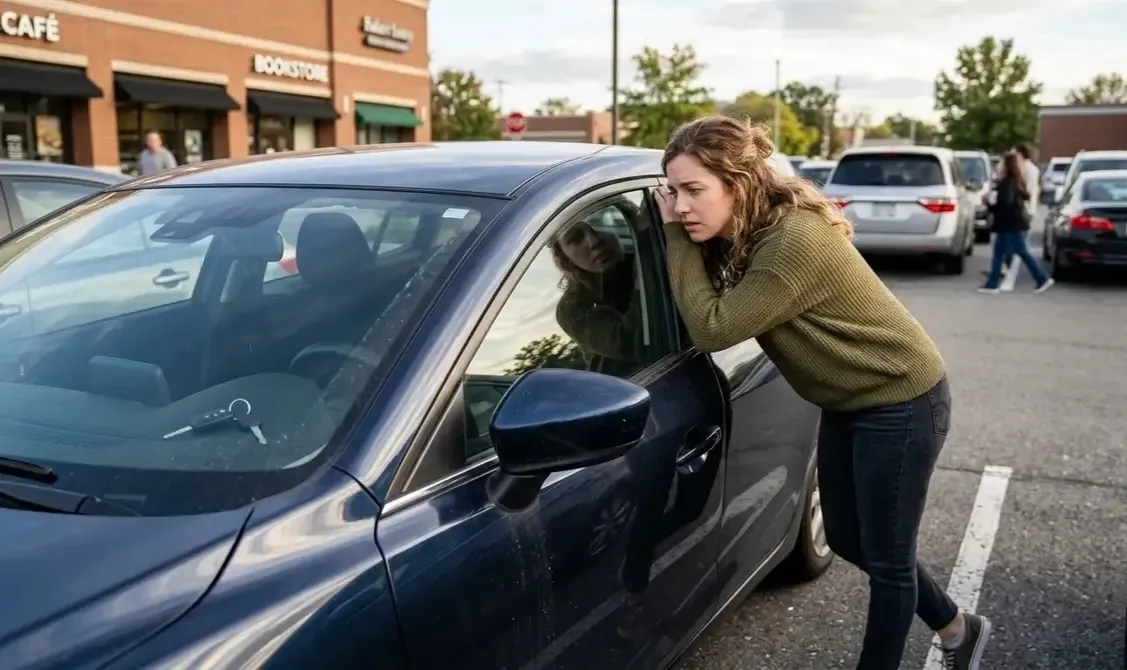
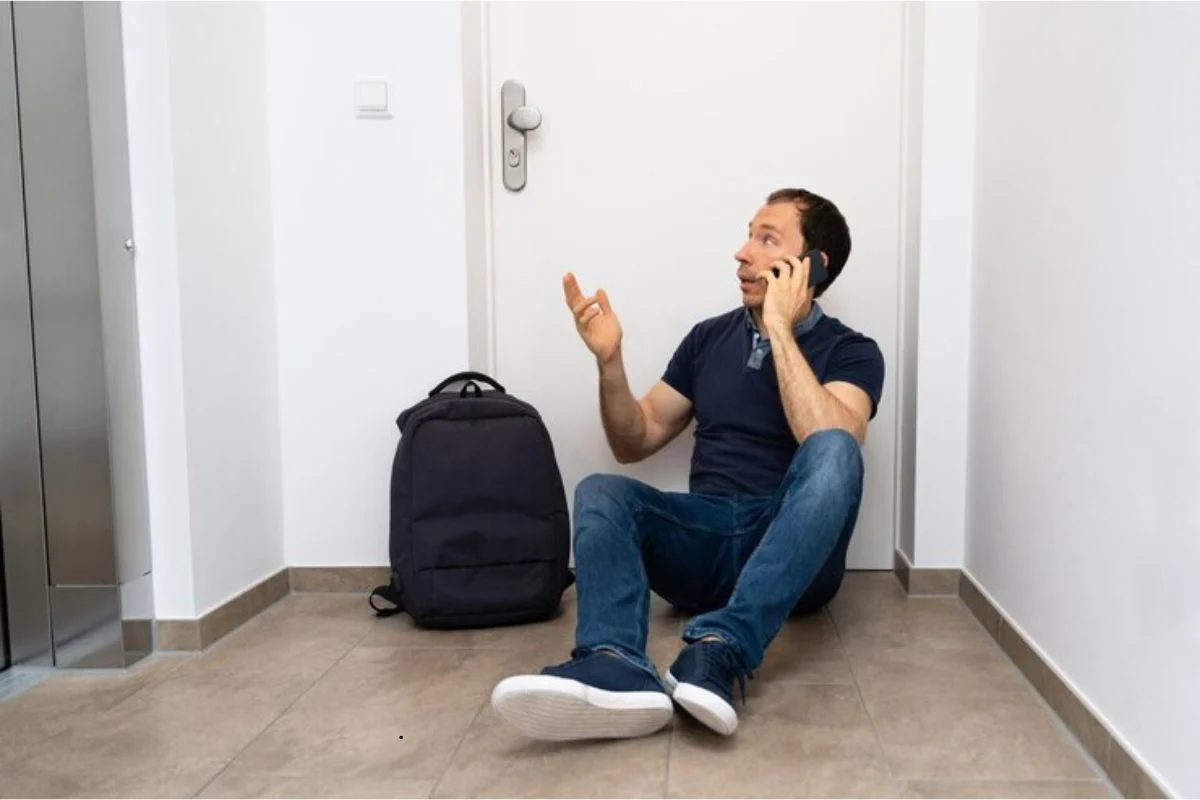
Getting locked out of your home can trigger immediate panic and frustration. Your first instinct might be to sit on your porch and cry. However, this emotional response only wastes valuable time getting back inside. Avoiding a breakdown helps you think clearly about your options. Instead of panicking, you can take several practical steps immediately. These actions often get you back inside within just a few minutes. Staying calm and methodical increases your chances of quick entry. If you feel unsafe at any point, move to a public, well-lit area immediately. According to the National Safety Council, prioritizing your safety in emergencies is always the right call. Most lockout situations have simple solutions when you approach them systematically.
You might not be able to enter through your front door. But your home likely has multiple entry points to try. Start by walking around your entire property’s perimeter carefully. Check each door handle to see if it’s unlocked. Test every window by pushing and pulling gently. Many homeowners forget to lock all doors when leaving home. Family members often leave back doors or windows unlocked accidentally. Side doors, garage entrances, and basement windows get overlooked frequently. Even small bathroom windows might provide an unexpected entry point. While you should always lock everything for security, human error happens. Finding just one unlocked entry saves time and prevents further stress. This simple walk-around takes only five to ten minutes total. It’s the most convenient way to regain access to your home.
Living alone means this option won’t help your situation. But homes with multiple residents have more key holders available. Call every family member who has a key immediately. They might be able to leave work or activities to help. Ask about their current location and estimated arrival time. Family members nearby can often arrive within thirty minutes or less. Even those farther away might reach you within an hour. Having multiple family members with keys increases your success chances. Teenagers with house keys can solve your lockout problem too. This solution works best when someone isn’t traveling far away. Keep calling until you reach someone who can help quickly.
Think carefully about everyone you’ve given spare keys to recently. Most homeowners distribute at least one or two spare keys. Trusted neighbors often keep keys for emergency situations like this. You might have given keys to pet sitters or dog walkers. These professionals need access when you’re away during work hours. Close friends sometimes have keys from previous emergencies or vacations. Relatives living nearby might have forgotten spare keys from years ago. Even service providers like cleaners might have your house keys. Start calling these people to check their availability immediately. Track down anyone who might have access to your home. Having multiple spare keys with different people provides backup options. This network of key holders can prevent long waits outside. Someone with a spare key can unlock your door quickly and easily.

Getting locked out of your house can be one of the most frustrating experiences you’ll face. However, there are several practical methods you can try to regain entry without causing damage. Before panicking or breaking a window, consider these proven techniques that many homeowners have used successfully. These methods range from professional help to simple DIY solutions you can attempt yourself. The key is staying calm and choosing the right approach for your specific situation.
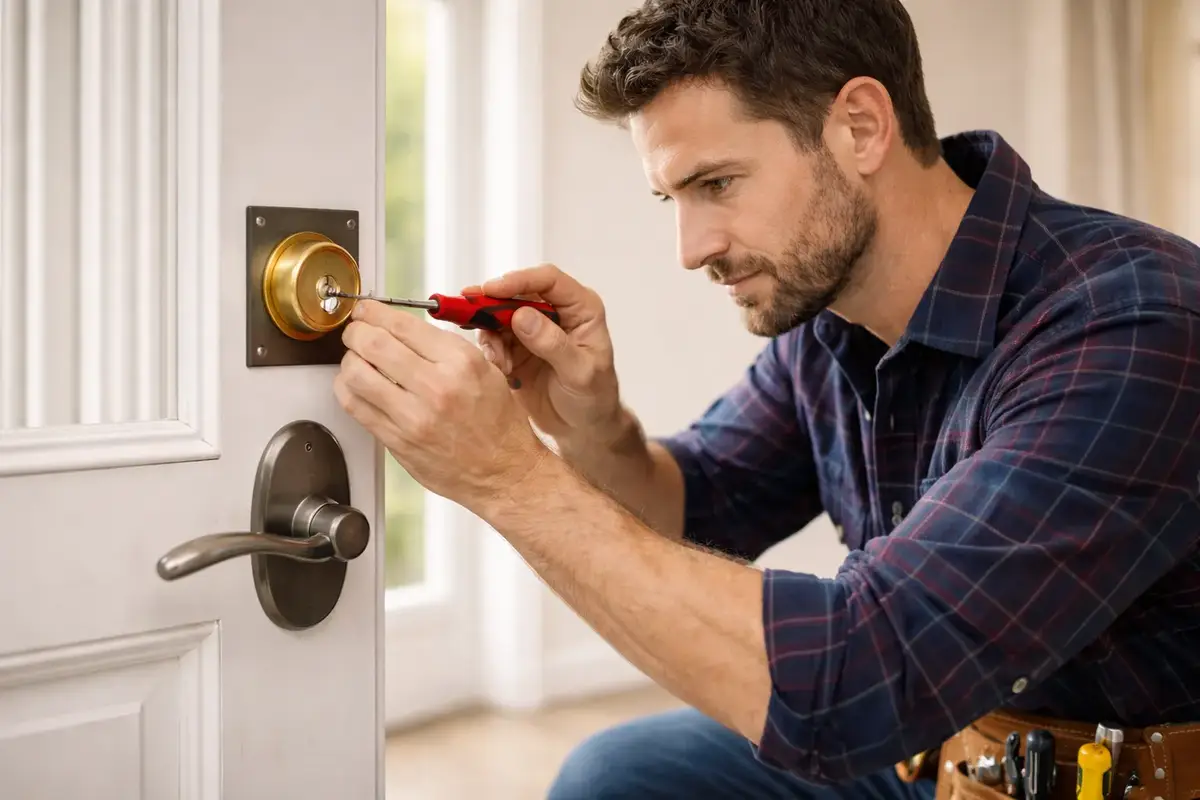
The most reliable way to enter your locked home is hiring a professional locksmith. There are over 25,000 locksmith services across the country ready to assist you during emergencies. Search online for “emergency locksmith near me” to find local options in your area. Read customer reviews carefully before making your choice to ensure quality service and fair pricing.
Professional locksmiths offer several advantages over DIY methods:
When you hire a professional locksmith, their service includes expert knowledge, on-site arrival, and the proper specialized tools for safe entry. Most experienced locksmiths can unlock standard residential doors within minutes of arrival. The investment is worthwhile when you consider the time saved and potential damage avoided. Many residential locksmith services also offer additional security advice to prevent future lockouts.
Lock picking with household items is possible if you have patience and steady hands. This method works best on older locks that don’t have advanced security features. You’ll need a bobby pin or straightened paper clip for this technique. Practice gentle movements to avoid breaking your makeshift tools inside the lock mechanism.
Follow these steps for successful lock picking:
This technique requires practice and may take several attempts to master successfully. Be patient and avoid using excessive force that could damage the lock. Some modern locks have anti-picking features that make this method more challenging. Consider this approach only if you have time and aren’t in an urgent situation.
Some older doors with spring bolt locks can be opened using plastic cards effectively. This technique doesn’t work on modern deadbolts or high-security locking systems installed today. Choose an old credit card, gift card, or similar plastic card you don’t mind damaging. Flexible cards work better than rigid ones for manipulating the latch mechanism properly.
The credit card method involves these specific steps:
This method works because spring bolt latches can be pushed back manually. However, it won’t work on doors with deadbolts or modern security features. Be careful not to damage your door frame or bend the card too forcefully. Some doors have additional security measures that prevent this technique from working effectively.
If your deadbolt isn’t engaged, removing the doorknob might provide access to your home. Most doorknobs have a small hole on the side designed for emergency removal purposes. This method requires basic tools and some mechanical understanding of door hardware components. Only attempt this if you’re confident about reassembling the doorknob afterward without professional help.
Key steps for doorknob removal include:
Once removed, you’ll have direct access to the internal locking mechanism components inside. Carefully manipulate these parts to unlock the door and regain entry to your home. This method should only be used when other options have failed completely. Remember that improper handling could damage the lock mechanism permanently.
Always ensure you’re attempting entry into your own property to avoid serious legal issues. Have proper identification ready in case neighbors or authorities question your suspicious actions. Consider informing trusted neighbors about your situation before attempting these potentially alarming methods. If you’re renting, contact your landlord or property manager for assistance first.
Additional safety tips include:
These techniques should only be used on your own property during genuine emergency situations. Practice prevention by hiding spare keys in secure lockboxes for future emergency access. Consider upgrading to smart locks that offer keyless entry options through mobile applications. Remember that forcing entry might damage your door or lock system, requiring expensive repairs.
Being locked out of a rental property requires a different approach than your own home. As a tenant, you must follow specific protocols to avoid costly mistakes. Taking unauthorized action could result in significant financial consequences and lease violations.
Know the Difference Between Owned and Rental Properties
When you own your home, you have complete freedom to regain entry. Some homeowners even break windows and replace them later without concern. However, rental properties operate under completely different rules and tenant agreements. Any damage you cause while attempting entry becomes your financial responsibility.
Contact Your Landlord or Property Manager Immediately
Your first call should always be to your landlord or property management company. Most rental agreements include emergency contact information for lockout situations exactly like this. Many landlords keep spare keys specifically for tenant emergencies and related problems. Professional property managers often have 24-hour emergency services available for urgent needs.
Explain your situation clearly and ask about their preferred lockout procedure. Some landlords will come personally with spare keys for immediate assistance. Document this conversation in case you need proof of authorization later.
Understand the Financial Consequences of Unauthorized Entry
Attempting to pick locks or force entry without permission can be expensive. You may be charged for lock replacement, door repairs, or hardware upgrades. Property damage from forced entry can range from minor scratches to major repairs. Your security deposit may be insufficient to cover these unexpected costs.
Follow Proper Emergency Procedures
Most rental properties have established emergency procedures that tenants should follow during lockouts. Keep your landlord’s emergency contact information easily accessible on your phone. Ask about preferred locksmith services that your landlord trusts. This approach ensures quality service while potentially reducing costs through established relationships.
Getting locked out once is frustrating enough, but you don’t have to experience it again. Taking proactive steps now can save you time, money, and stress in the future. These prevention strategies range from traditional backup methods to professional security solutions.
Having spare keys available is the most basic prevention method for avoiding future lockouts. However, proper placement is crucial for both accessibility and security purposes. Avoid obvious hiding spots like doormats, fake rocks, or flowerpots that burglars check first. These common locations compromise your home security while providing minimal convenience during emergencies.
Consider installing a lockbox designed specifically for spare key storage and outdoor weather protection. Choose models with combination locks rather than key-operated boxes to eliminate additional key requirements. Mount lockboxes in discrete locations that aren’t visible from the street or main walkways. Change combination codes periodically and avoid using obvious numbers like birthdays or addresses.
Developing good relationships with nearby neighbors creates mutual security benefits for everyone involved. Trusted neighbors can hold spare keys while you reciprocate the same favor. This arrangement provides human oversight for your property during extended absences or travel periods. Choose neighbors who are frequently home and have demonstrated reliability over time.
Establish clear guidelines about when and how spare keys should be used. Document key exchange arrangements with written agreements to avoid confusion or misunderstandings later. Strong neighborhood relationships also improve overall community security and mutual assistance during emergencies.
Upgrading your home security requires expert guidance to ensure you choose the right solutions. Professional locksmiths can assess your property and recommend appropriate security measures for your specific needs. They evaluate factors like door condition, neighborhood safety, and your lifestyle requirements before suggesting improvements.
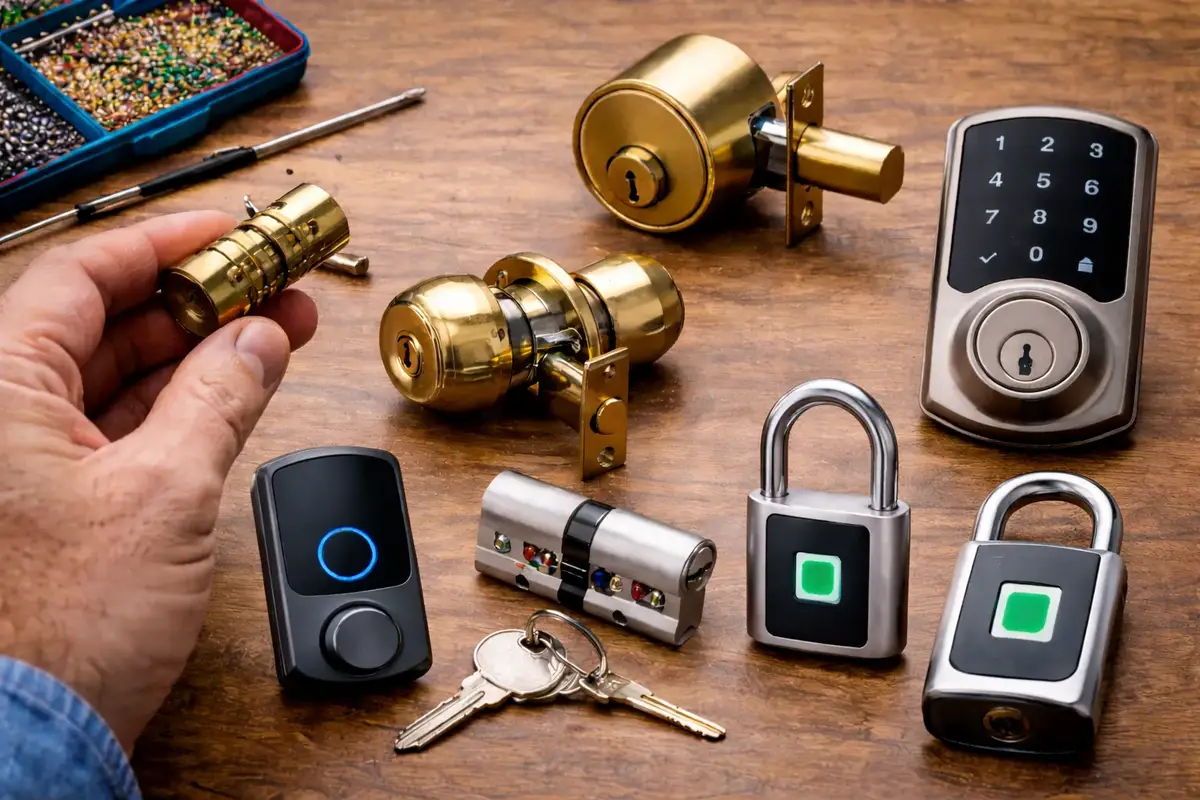
Modern security options include high-security deadbolts, smart locks, keypad entry systems, and reinforced door frames. Each option has unique benefits and limitations that professionals can explain in detail. Smart locks offer convenience but require proper installation and ongoing maintenance to function reliably. As MIT’s Technology Review highlights, integrating smart lock technology is becoming a mainstream emergency solution. Professional locksmiths provide installation services and can troubleshoot technical issues when they arise.
Consider scheduling a security consultation to discuss your lockout prevention goals with qualified experts. Professional assessments identify vulnerabilities you might miss and suggest cost-effective improvements for your property. Regular maintenance from professionals keeps all lock systems functioning properly and extends their lifespan significantly.
Getting locked out of your home doesn’t have to become a major crisis when you’re prepared. The key to handling lockouts successfully lies in staying calm and knowing your options. Simple solutions like checking other entry points or calling family members often resolve situations quickly. When DIY methods aren’t suitable, professional locksmiths provide safe and reliable entry without damage. Prevention remains the best strategy through spare key storage, trusted neighbor relationships, and security upgrades. Remember that rental properties require landlord contact before attempting any entry methods to avoid costly repairs. Take action today by implementing these prevention strategies to avoid future lockouts. Create backup plans, establish neighbor relationships, and consider professional security consultations for your home. Being proactive now saves you time, money, and stress when lockout situations arise unexpectedly.
What tools do professional locksmiths bring for residential lockouts?
Locksmiths carry tension wrenches, pick sets, bump keys, electric pick guns, key extraction tools, and lock bypass tools for safe entry without damage.
What affects emergency locksmith availability during holidays/weekends?
Weekend calls incur additional fees. Holiday rates are typically higher than standard rates. Late-night calls also carry premium charges. Always confirm pricing beforehand.
What if my smart lock battery dies?
Most have hidden key overrides or accept external power from phone chargers/9-volt batteries. Check your manual for emergency procedures.
Can apartment management charge tenants for locksmith services?
Leases determine responsibility. Most make tenants pay unless faulty equipment causes lockout. Some include it in rent. Management may add administrative fees.
How long should I wait for my family before calling a locksmith?
Consider weather, time, safety. Don’t wait over an hour in extreme conditions. If the family is 30+ minutes away, call professionals. Emergencies require immediate help.