March 27, 2026

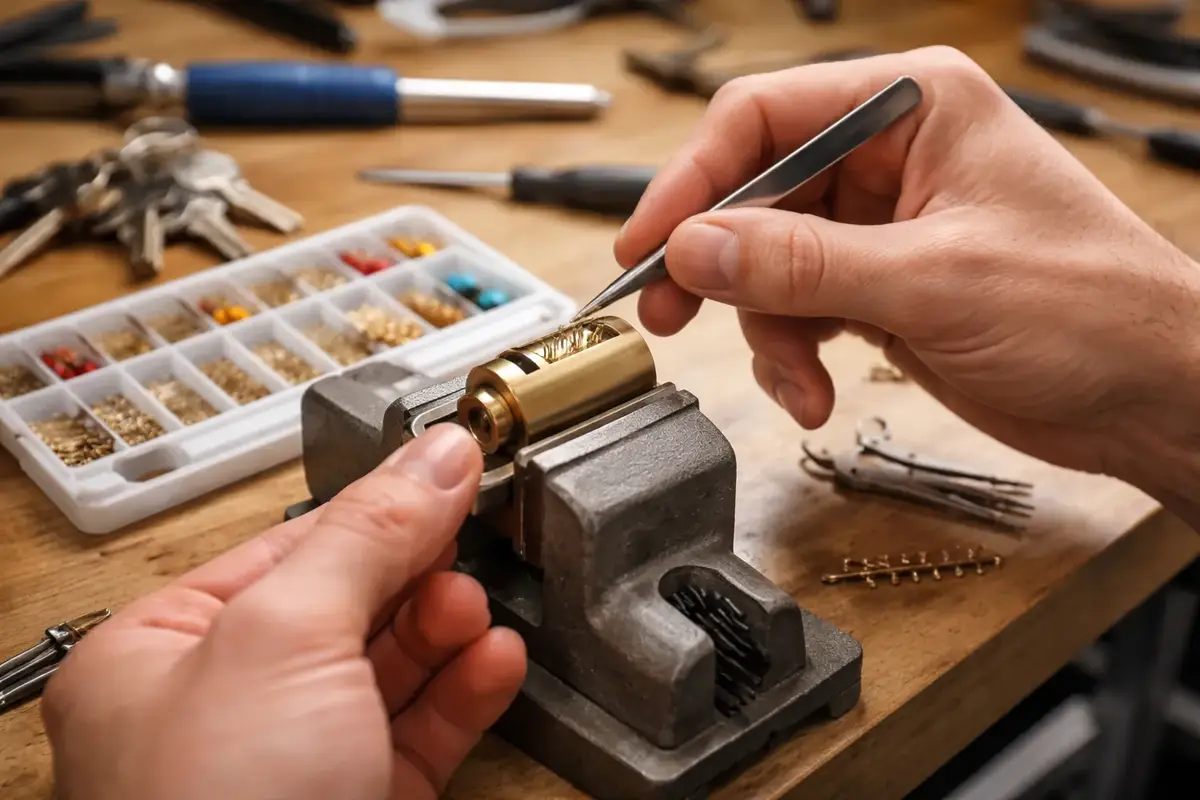
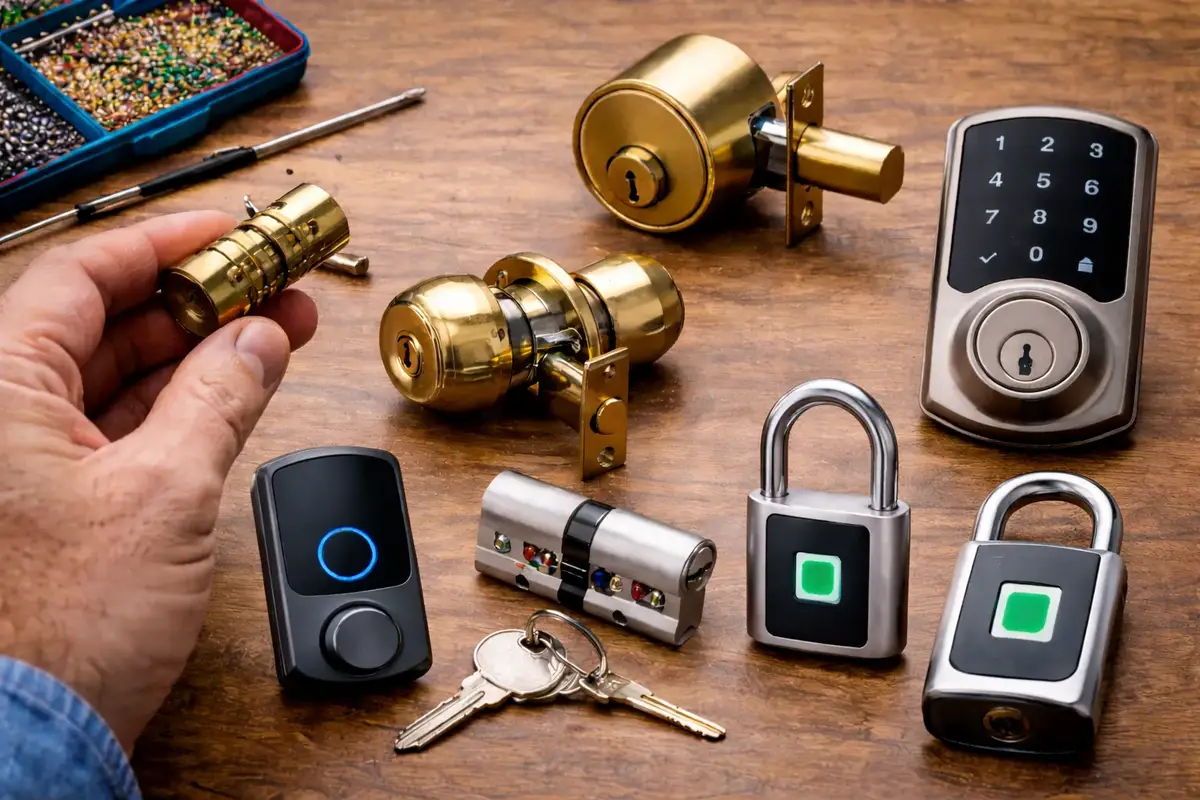
Most standard locks can be rekeyed, but not all of them. Locks with pin-and-tumbler cylinders, deadbolts, and knob locks are commonly rekeyed. However, keyless locks, damaged locks, and those without removable cylinders cannot be rekeyed. Rekeying works by changing the internal pins so a new key operates the lock. It is a faster and more affordable option compared to full lock replacement. Knowing which locks qualify for rekeying helps you choose the right security solution.
Not every lock can be rekeyed successfully. Many modern locks are built to support rekeying with ease. However, certain lock types may not allow this process at all. Older locks, in particular, often lack the internal design needed for rekeying. Some locks may also be too worn or damaged to rekey properly. In these cases, a full lock replacement is usually the better option. Before scheduling a service, check whether your specific locks are rekeyed compatible. A trusted locksmith can quickly assess your locks and recommend the right solution. Understanding which locks qualify helps you save both time and money. This simple step ensures you make an informed decision about your home security.
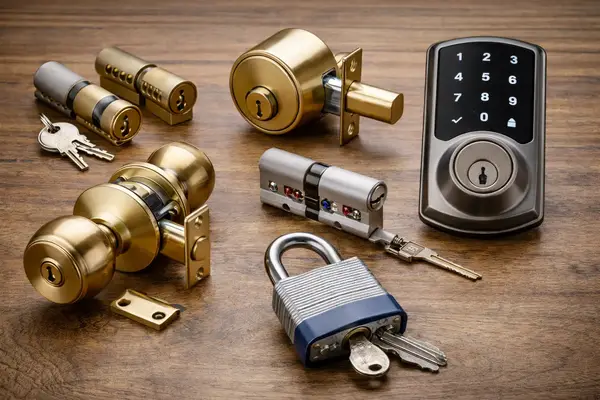
Pin-and-Tumbler Locks (Common in Homes and Businesses): These are the most frequently rekeyed locks available today. They feature a cylinder that can be taken apart easily. The pins inside are rearranged or swapped to work with a new key. This design makes them ideal candidates when locks need to be rekeyed.
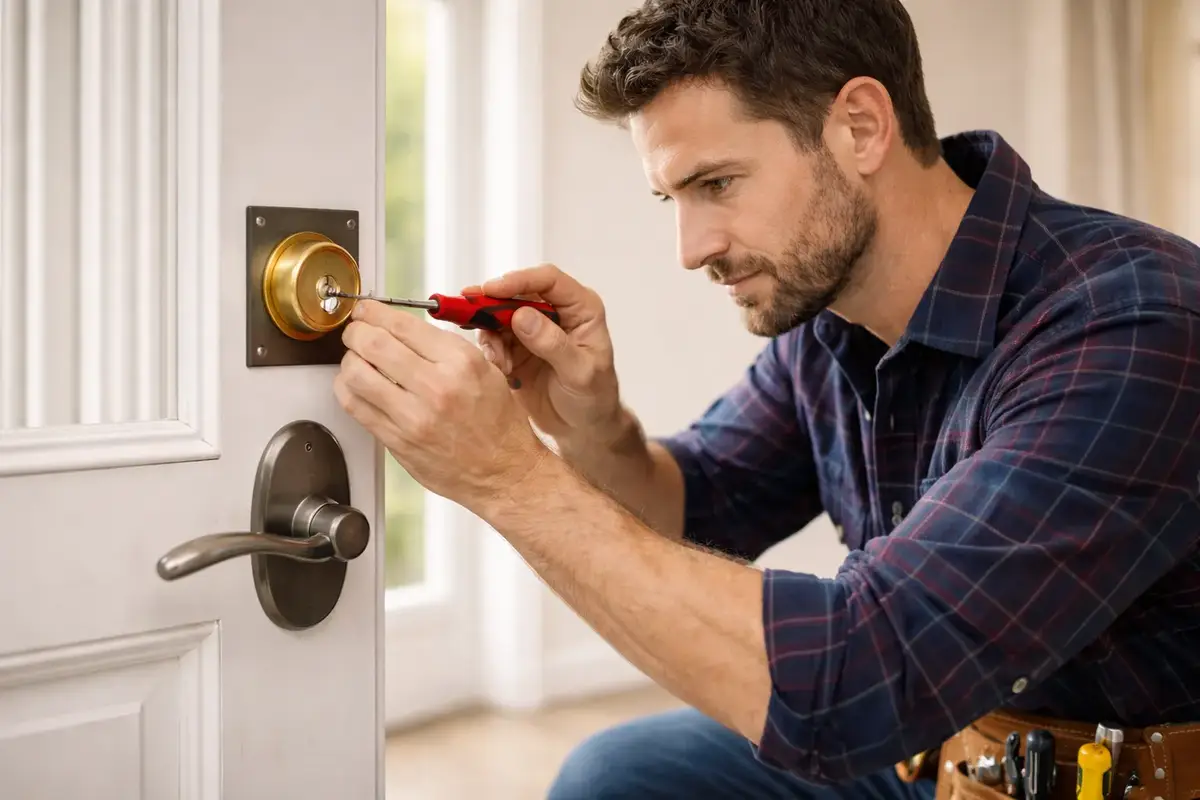
Deadbolt Locks: Most standard deadbolts support rekeying without any major issues. They just need to be in good working condition first. A locksmith can handle the process quickly if the internal parts are intact. Deadbolts are one of the most popular locks rekeyed by professionals.
Knob Locks and Lever Handle Locks: These locks are commonly found on interior doors throughout homes. They can typically be rekeyed if they have a removable cylinder inside. Checking for a removable cylinder beforehand saves time during the process.High-Security Locks: Many high-security locks can also be rekeyed when needed. However, they often require specialized tools for the job. Professional locksmith services are usually recommended for these lock types. These locks offer advanced protection, so proper handling during rekeying is essential.
Padlocks: Some padlock brands manufacture models specifically designed to be rekeyed. These rekeyed padlocks offer flexibility for property managers and business owners. Always confirm the model supports rekeying before attempting the process.
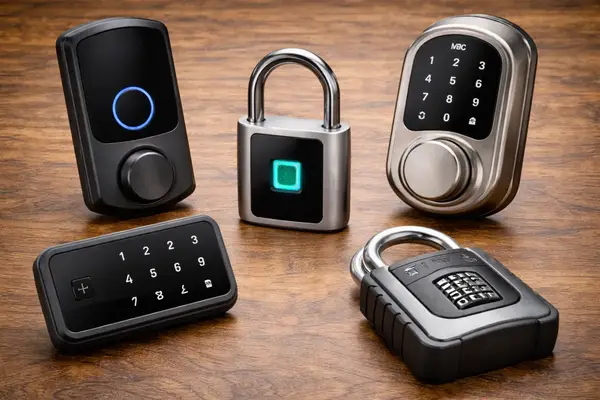
Smart Locks: Certain smart locks that include physical keys can be rekeyed too. The cylinder inside must be accessible for the rekeying to work. Not all smart lock models support this, so check the product details first.
Locks Without Removable Cylinders: Some locks simply do not have a removable cylinder inside them. These locks cannot be rekeyed through standard methods. Older or lower-quality models often fall into this category. Replacing these locks entirely is usually the most practical solution available.
Worn-Out or Damaged Locks: Locks with heavy wear or internal damage are poor candidates for rekeying. The process may fail if the mechanism no longer functions properly. In these situations, a full lock replacement is the safer choice. Damaged locks rekeyed incorrectly can also create security risks for your property.
Keyless Locks: Fully digital or combination locks do not use a physical key. Because of this, they cannot be rekeyed in the traditional sense. However, many keyless models do allow you to reset access codes instead. This offers a similar level of security control without needing rekeying.Specialized or Proprietary Locks: Certain locks feature unique designs that do not support standard rekeying. These are often proprietary systems built by specific manufacturers. Always check with the manufacturer to confirm rekeying compatibility beforehand. Without that confirmation, attempting to rekey could damage the lock permanently.
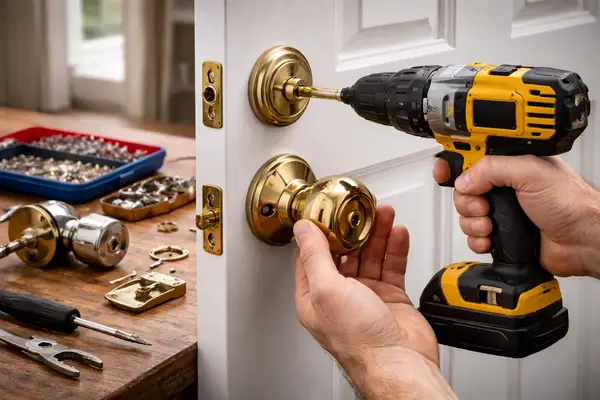
Old or Malfunctioning Locks: Locks that are aging or no longer working properly may not be worth rekeying. Over time, internal parts wear down and become unreliable. Replacing the entire lock gives you a fresh and dependable security solution. This is especially true for locks that jam or stick frequently.
Upgrading Your Security Level: Sometimes rekeying alone is not enough to meet your security needs. If you want stronger protection, upgrading to a higher-security lock is necessary. Newer lock models often include advanced features that older locks simply lack. Replacement ensures your property stays protected with up-to-date technology.
Comparing the Cost of Rekeying Versus Replacement: For lower-cost locks, rekeying may not be the most budget-friendly choice. The service fee for rekeying can sometimes exceed the price of a new lock. In those cases, replacing the lock entirely makes better financial sense. Always compare both options before deciding how to handle your locks rekeyed needs.
Rekeying your locks is a smart and practical way to maintain security. It works well for most standard lock types found in homes and businesses. However, not every lock supports the rekeying process. Knowing which locks can and cannot be rekeyed saves you from unnecessary hassle. Always inspect your locks before deciding between rekeying and replacement. If your locks are outdated or damaged, replacing them is the better path. For newer locks in good condition, rekeying remains the ideal choice. Taking action now helps protect your property and gives you peace of mind. A professional locksmith can guide you through every step of the process. Mobile Locksmith is here to help with all your rekeying and lock replacement needs. Reach out today to keep your property safe and secure. Do not wait until a security issue forces you to act.
What does it mean to have locks rekeyed?
Rekeying changes the internal pins inside your lock cylinder. This allows a brand new key to operate the lock. The old key will no longer work after the process is complete. It is a quick way to update your security without replacing hardware.
How do I know if my locks can be rekeyed?
Check whether your lock has a removable cylinder inside it. Most pin-and-tumbler locks and deadbolts support the rekeying process. If you are unsure, a professional locksmith can inspect them for you. They will confirm if your locks are rekeyed compatible or need replacement.
Is rekeying a good option after moving into a new home?
Yes, rekeying is one of the first things to do after moving in. You cannot be sure how many copies of the old key exist. Having your locks rekeyed ensures only you have working keys. It is a simple step that greatly improves your home security.
Can I rekey my locks myself or do I need a professional?
Some basic locks can be rekeyed using a do-it-yourself kit. However, most locks require proper tools and technical knowledge. A professional locksmith ensures the job is done correctly every time. Attempting it without experience could damage your locks permanently.
How often should I get my locks rekeyed?
There is no strict schedule, but certain events should prompt rekeying. Consider it after moving, losing a key, or ending a lease. Anytime unauthorized key copies may exist, rekeying is a wise decision. Regular rekeying keeps your property protected against unwanted access.