March 27, 2026

A locksmith works on buildings. An auto locksmith works on vehicles. That’s the core difference between a locksmith and an auto locksmith, and it matters more than most people think. Call the wrong one and you’ll waste time, pay more, and possibly end up with a second service call anyway.
The difference between a locksmith and an auto locksmith comes down to training, tools, and certifications. A general locksmith handles door locks, deadbolts, and property access for homes and businesses. An auto locksmith handles car lockouts, transponder key programming, and fob replacements using vehicle-specific diagnostic equipment that general locksmiths don’t carry.
I’ve seen homeowners call an auto locksmith for a broken front door deadbolt and get told “that’s not what we do.” I’ve also seen drivers call a general locksmith for a lost car key only to hear “we can’t program that.” Both cost a wasted service call fee of $60–$100. So let’s clear this up for good.

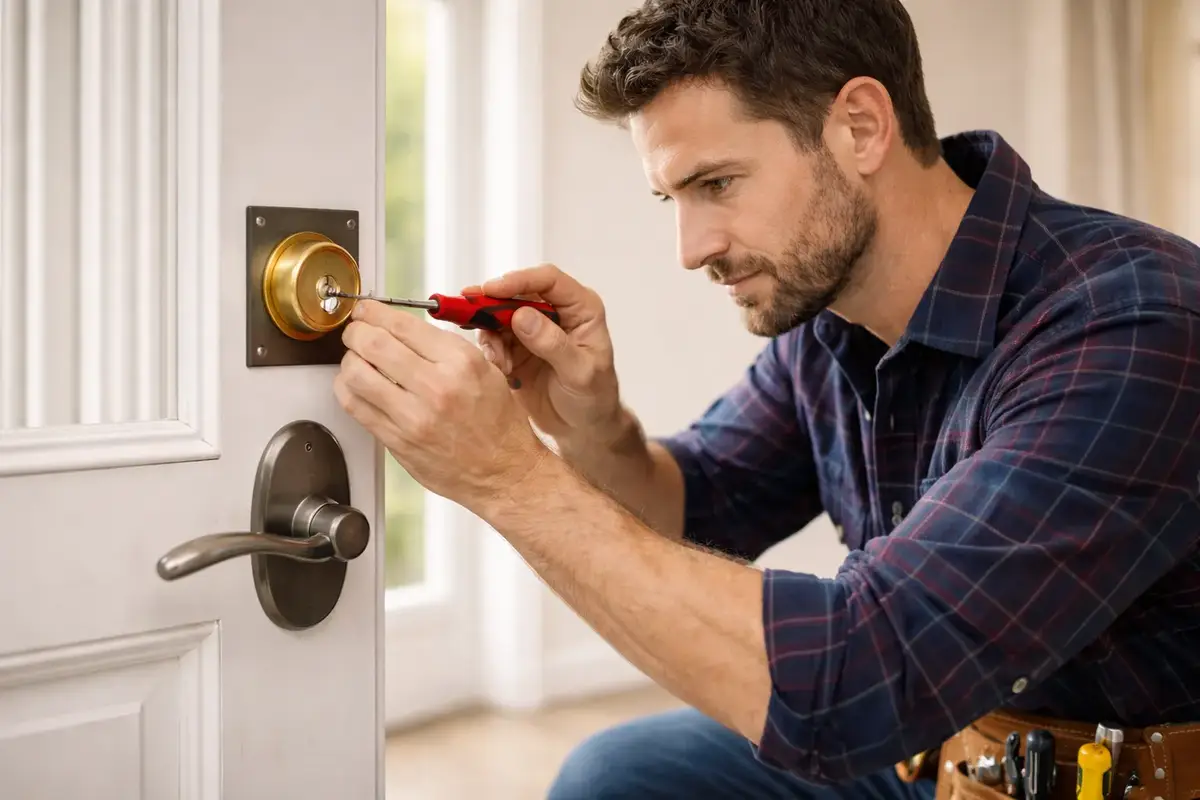
A general locksmith focuses on property access. Doors, windows, safes, and commercial entry points. If it’s attached to a building, a general locksmith is your call.
The most common jobs are lockouts (getting you back inside when you’re locked out of your house), lock replacements after a break-in or a move, deciding whether to rekey or change your locks so old keys stop working, and installing deadbolts or high-security hardware. Landlords use general locksmiths constantly for tenant turnovers. According to Angi, the average service call for a general locksmith runs about $163, with rekeying averaging $140–$225 depending on the lock type.
One thing most people don’t realize is that general locksmiths also handle insurance-compliant upgrades. If your home insurance policy requires specific lock grades (and many do), a general locksmith knows which hardware meets those standards. An auto locksmith won’t touch that work.
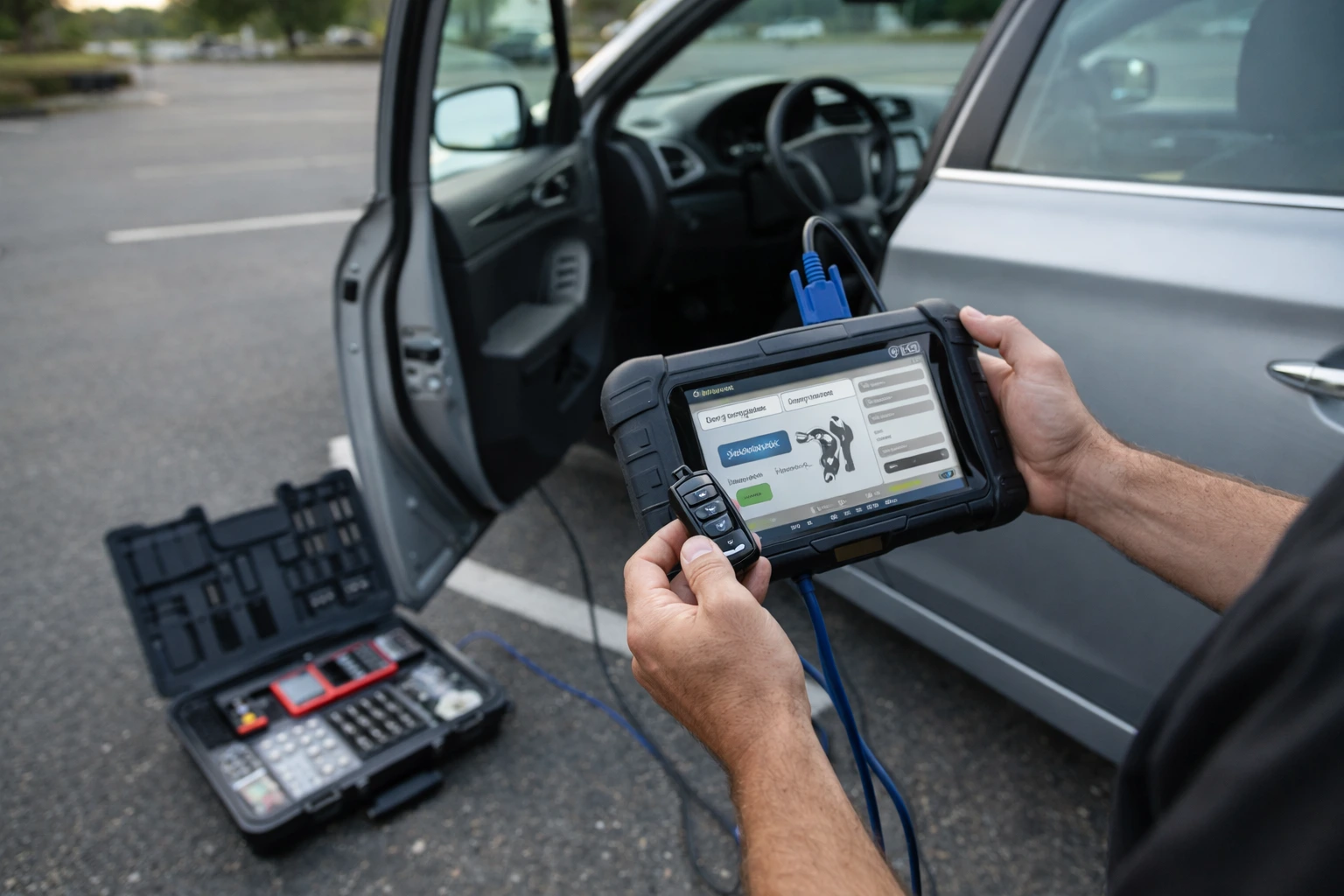
An auto locksmith works on vehicles exclusively. Cars, vans, trucks, motorcycles. If you’re noticing signs you need a car locksmith, the job revolves around getting people back into their vehicles and replacing or programming keys.
The work sounds simple until you look at what modern car keys actually involve. A basic car lockout costs $60–$150 (Thumbtack, 2026). But replacing a transponder key runs $150–$300, and a smart key or proximity fob can hit $250–$600 or more. That pricing gap exists because auto locksmiths carry programming equipment that can cost $5,000–$15,000 per tool. And most need several tools to cover different makes.
The real shift happened in the mid-1980s when GM introduced VATS (Vehicle Anti-Theft System). Since then, every major manufacturer has added immobilizer systems that require electronic programming, not just a metal key cut. The Associated Locksmiths of America created the Certified Automotive Locksmith credential specifically because the skill set became too different from general locksmithing to overlap.
This is where the gap between general and auto locksmiths gets wide.
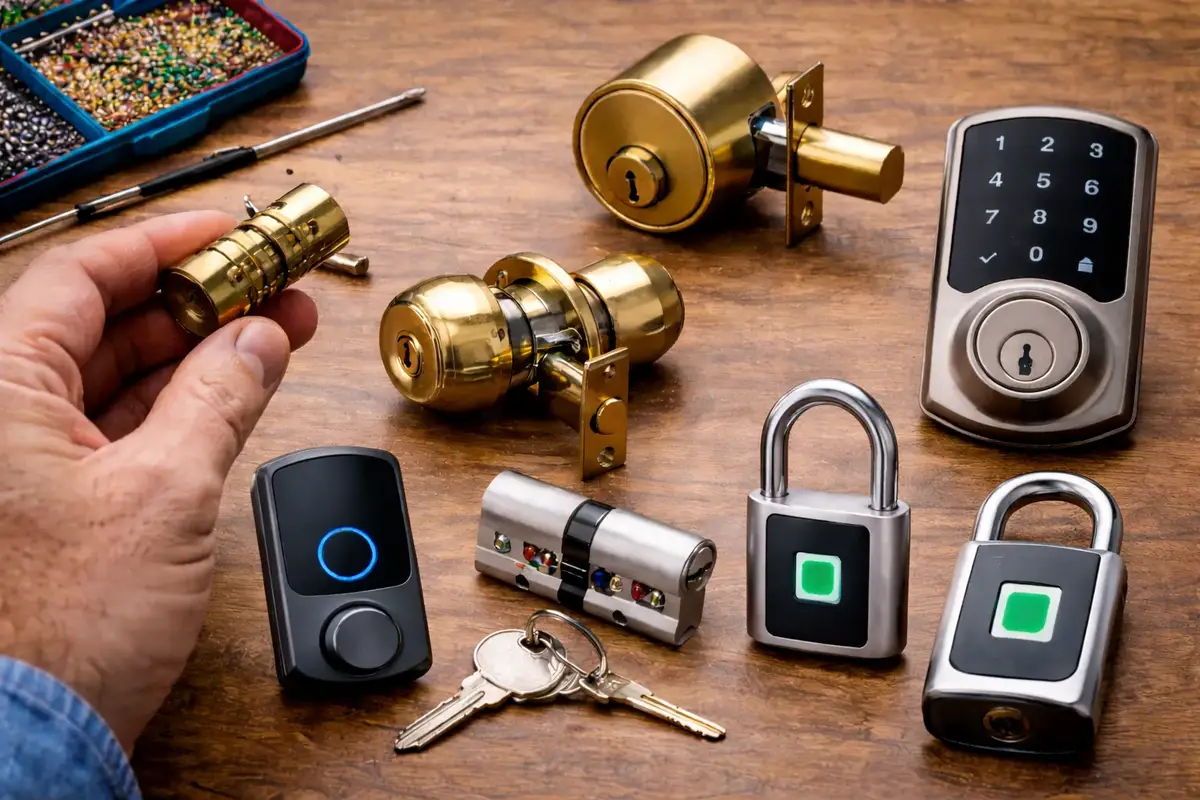
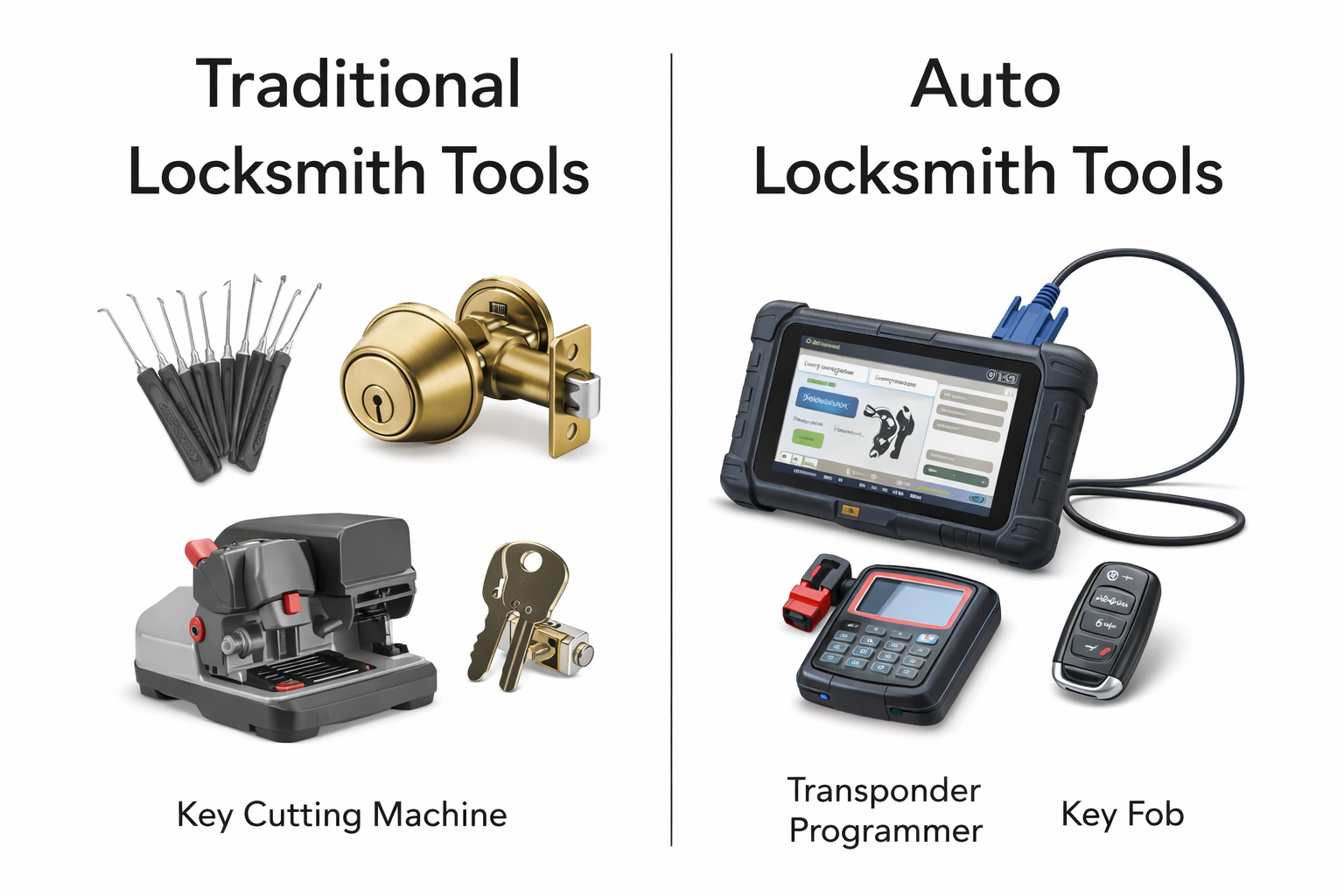
A general locksmith’s toolkit includes pick sets, tension wrenches, key cutting machines, and plug followers. Mechanical tools for mechanical locks. The training focuses on pin tumbler systems, mortise locks, and commercial hardware. If you want a deeper look at the types of locksmiths and their specialties, the ALOA offers CRL (Certified Registered Locksmith) and CPL (Certified Professional Locksmith) tracks for this work.
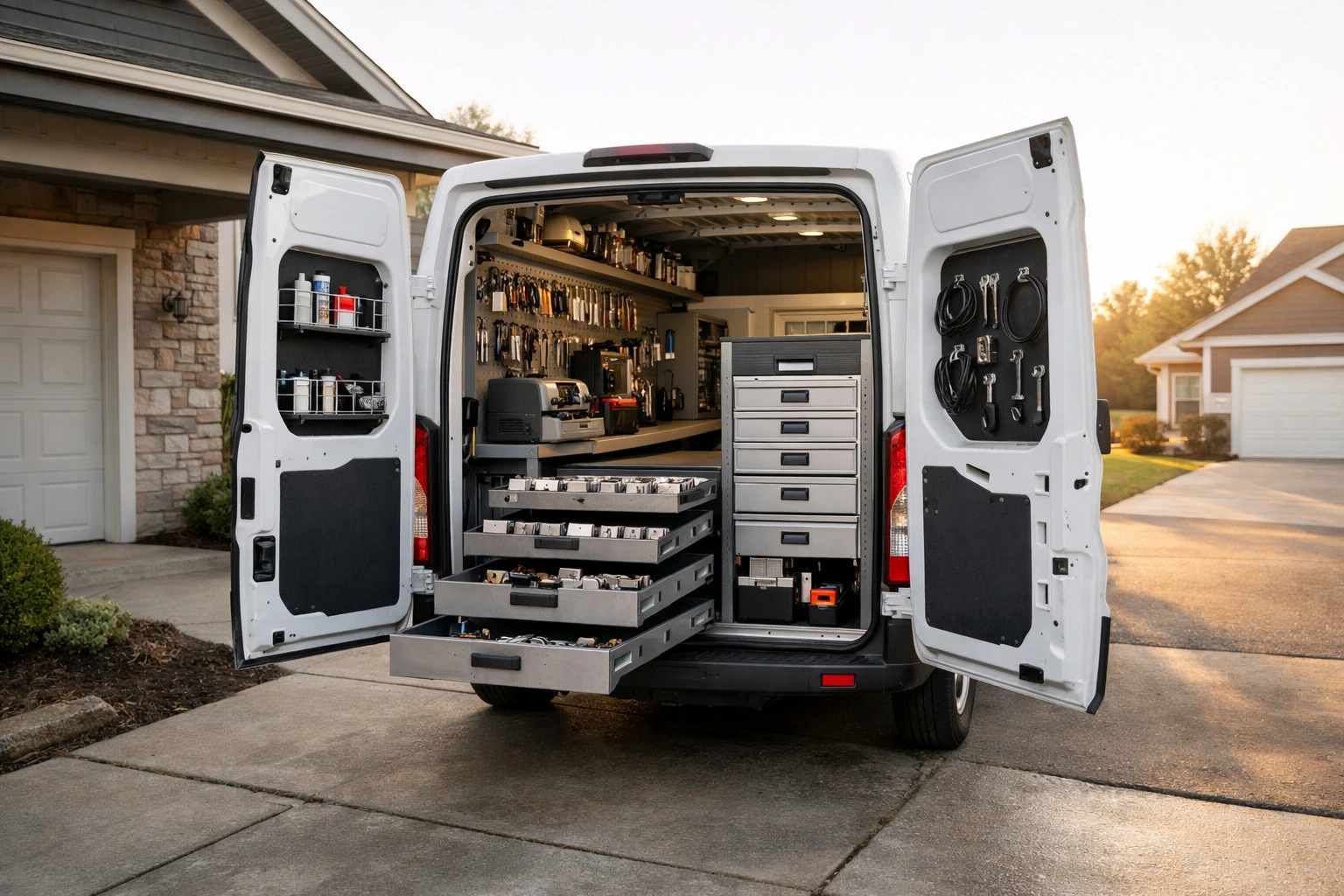
An auto locksmith needs scan tools, transponder programmers, EEPROM readers, and NASTF (National Automotive Service Task Force) credentials. NASTF registration became a bigger deal in 2024–2025, with expanded requirements for Vehicle Security Professional (VSP) IDs on all scan tools used for key programming. Without that access, an auto locksmith can’t pull OEM key codes for many modern vehicles.
Here’s the contrarian take most people in this industry won’t say out loud. A general locksmith who advertises “auto services” but doesn’t hold CAL certification and NASTF access is a gamble. I’ve talked to auto locksmiths who fix botched jobs from general locksmiths weekly. The repair often costs $300–$1,000 more than the original job would have, and in worst cases, it damages the vehicle’s ECU.
| General Locksmith | Auto Locksmith | |
| Works on | Homes, offices, commercial buildings | Cars, vans, trucks, motorcycles |
| Common jobs | Lockouts, rekeying, lock installs, break-in repairs | Car lockouts, key programming, fob replacement, ignition repair |
| Key type | Mechanical keys, some electronic access | Transponder, smart keys, proximity fobs |
| Avg. service call | $107–$242 (Angi, 2025) | $60–$600+ depending on key type (Thumbtack, 2026) |
| Certification | CRL / CPL (ALOA) | CAL / CMAL (ALOA) + NASTF VSP |
| Equipment cost | $2,000–$5,000 typical | $10,000–$30,000+ for full coverage |
| Where they work | Your property | Roadside, parking lot, your driveway |
Call a general locksmith when the problem involves a building. You’re locked out of your house, your deadbolt is jammed, you just moved and want every lock rekeyed, or your office needs a master key system. If there’s a door on a structure and the lock on it is broken, stuck, or missing, that’s the call.
After a break-in is another big one. You want locks changed immediately, and a general locksmith can usually be on-site within 30–60 minutes for emergency calls. May 2024 employment data from the Bureau of Labor Statistics reports roughly 15,550 locksmiths and safe repairers employed in the U.S., so availability in metro areas is rarely an issue.
Call an auto locksmith when the problem involves a vehicle. Lost car keys, keys locked inside the car, a snapped key stuck in the ignition, or a remote fob that stopped working. If you’re wondering how long a car lockout takes, an auto locksmith is almost always 30–50% cheaper than the dealership and faster too.
That dealership price gap is real. A dealership replacement smart key typically runs $300–$1,000+. A CAL-certified auto locksmith with NASTF access does the same job for $180–$550, usually roadside, usually within an hour. I’ve seen people pay $800 at a dealer for a Toyota proximity key that a qualified auto locksmith would have done for $350.
Rarely, and not well.
The locksmith industry hit $2.9 billion in revenue in 2025 (IBISWorld), with roughly 29,620 businesses operating in 2026. But the vast majority are specialists. A general locksmith doesn’t carry $15,000 worth of automotive programming tools in their van. An auto locksmith doesn’t stock mortise locks and commercial hardware.
Some businesses run both services under one roof, but they staff them separately. That’s the right way to do it. When a single technician claims to do both, ask about their certifications. If they can’t tell you their ALOA credentials or NASTF registration for auto work, that’s your red flag.
Actually, the better way to think about this isn’t “can one person do both” but “would you want them to?” Specialization exists for a reason. The same way you wouldn’t ask a plumber to handle your electrical panel, you shouldn’t expect a door lock expert to program a 2024 Ford smart key. The tools, the training, and the liability are completely different.
If you’re locked out of your home, need locks changed, or want your property security upgraded, you need a general locksmith. If you’ve lost your car keys, locked them inside, or need a replacement fob, you need an auto locksmith. Mobile Locksmith handles both through dedicated residential teams and a separate automotive division across the Minneapolis metro area. Working with an experienced local locksmith team that separates these specialties is the fastest way to get the right fix. Knowing the difference between a locksmith and an auto locksmith before you dial saves you money, time, and a second trip.
No. Programming a car key fob requires Certified Automotive Locksmith (CAL) training, vehicle-specific scan tools, and in most cases, NASTF credentials for OEM security data. A general locksmith handles building locks, not vehicle electronics. If you need to program a car fob, make sure the person you call holds CAL certification. Without it, you risk failed programming and potential ECU damage that costs $300–$1,000 to fix.
A general locksmith service call averages $163 nationally, with rekeying jobs running $140–$225 (Angi cost data, 2025). Auto locksmith costs vary more widely. A basic car lockout runs $60–$150, but transponder key replacement hits $150–$300 and smart key fobs can cost $250–$600+. The higher auto pricing reflects the expensive programming equipment involved.
An auto locksmith is 30–50% cheaper in most cases. Dealership replacement smart keys typically cost $300–$1,000+. A qualified auto locksmith with NASTF access handles the same job for $180–$550, usually roadside, usually within an hour.
Ask about their ALOA Certified Automotive Locksmith (CAL) credential and whether they hold NASTF Vehicle Security Professional registration. These two credentials confirm they have the training and OEM data access to program modern vehicle keys. If they can’t name either, consider that a warning sign.
No. Many 24/7 ads come from call center operations that dispatch untrained contractors. The FTC has issued consumer alerts about locksmith scams involving bait-and-switch pricing. Verify a local business address, check for state licensing (13 states require it as of 2025), and ask about CAL certification before agreeing to service.
If you lose a keyring that had both your house keys and car keys, yes, you’ll likely need two separate services. A general locksmith will rekey your home locks so the lost keys no longer work. An auto locksmith will program new vehicle keys. Some companies staff both divisions, but the technicians who show up will be different specialists.
For general locksmithing, look for ALOA credentials like CRL (Certified Registered Locksmith) or CPL (Certified Professional Locksmith). For auto work, the minimum is CAL (Certified Automotive Locksmith) plus NASTF VSP registration. As of 2025, only 13 states require locksmith licensing, so certifications are the best way to verify competence in unlicensed states.