March 27, 2026

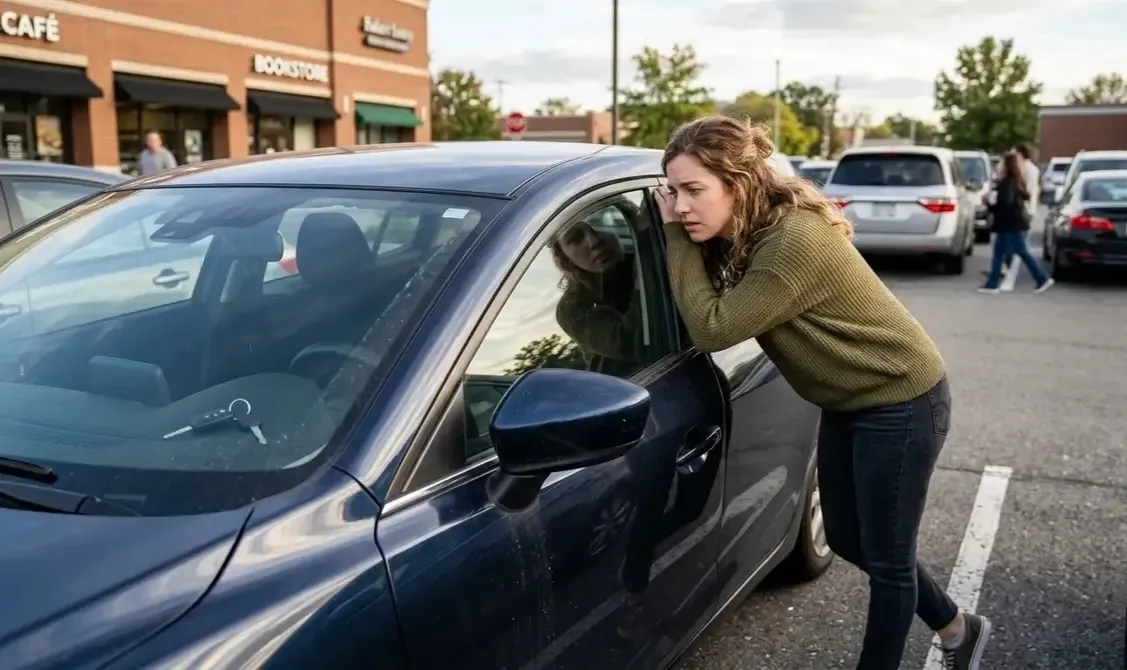
Getting locked out of your home, car, or business creates immediate vulnerability that dishonest locksmiths actively exploit. Locksmith scams cost Americans over $150 million annually, with victims paying 3-10 times the fair market rate through bait-and-switch pricing, unnecessary lock replacements, and fake emergency fees.
The most common locksmith scams include:
Protect yourself by verifying these three things before hiring:
Below, you’ll find 12 actionable strategies to identify red flags, verify legitimacy, and avoid paying hundreds in fraudulent charges during your most vulnerable moments. These expert-recommended practices help you distinguish between licensed professionals and scam artists targeting lockout emergencies.

Getting locked out of your vehicle or property creates immediate stress and urgency. Unfortunately, dishonest service providers often exploit these vulnerable moments for financial gain. These unscrupulous operators use various deceptive tactics to overcharge unsuspecting customers. One common scheme involves quoting a low price initially, then adding unexpected charges during service. Another tactic includes claiming additional work is necessary when simple solutions would suffice. Understanding how these scams work helps you make informed decisions during emergencies. Below are practical strategies to identify and avoid fraudulent locksmith services before they take advantage of your situation.
Not all locksmiths operate with honest business practices. Some companies avoid listing physical addresses to escape accountability from dissatisfied customers. A missing business address often signals potential problems you want to avoid. Before hiring anyone, confirm they maintain a legitimate storefront or office location. Professional locksmiths display their credentials and contact information openly. This transparency shows they stand behind their work and reputation. Companies hiding basic details may cut corners in other areas, too.
Online reviews reveal the true quality of any locksmith service. Multiple negative ratings indicate serious issues with reliability or pricing practices. Look for patterns in customer complaints rather than isolated incidents. Happy customers typically leave detailed reviews about their positive experiences. A strong reputation built over time demonstrates consistent, trustworthy service. Take a few minutes to research feedback across different review platforms. This simple step protects you from expensive mistakes and poor workmanship.
Planning saves stress when you face a lockout situation. Find a reliable locksmith now instead of scrambling during an emergency. Call several companies to ask about their services, pricing, and response times. Professional businesses answer questions clearly and provide transparent cost estimates. Save contact information for the locksmith who impresses you most. Having a trusted provider ready eliminates panic when you need help fast. Emergency situations force quick decisions that often lead to regrettable choices. Preparation gives you confidence that help is just one phone call away.
Many dishonest providers quote low initial rates but add surprise charges after completing the work. This tactic forces customers to pay inflated costs they never agreed to. Always ask during your first phone call about any additional fees that might apply. Request a complete breakdown of all possible charges before scheduling an appointment. Legitimate professionals will clearly explain their full pricing structure without hesitation. Understanding the complete cost upfront protects you from unexpected financial surprises later.
Request a detailed price estimate when you first contact a locksmith for service. Write down the quoted amount and compare it carefully to the final invoice. Significant differences between these numbers should raise immediate red flags about the provider. If you notice major discrepancies, reach out to the business directly to discuss. Reputable service providers stand behind their initial estimates and maintain transparent pricing. Small variations for unexpected complications are normal, but drastic changes often indicate problems. Document your original quote to have clear evidence if disputes arise later.
Legitimate professionals arrive in clearly marked vehicles displaying their company name and logo. Unmarked or suspicious vehicles often signal fraudulent operators pretending to represent established businesses. Check that the vehicle identification matches the company you actually called. Scam artists frequently misrepresent their business affiliations to appear more trustworthy than they are. Professional companies invest in branded vehicles to build customer confidence and recognition. This visible identification serves as proof of their legitimate business operations. If the vehicle looks questionable or lacks proper markings, consider refusing the service.
Some locksmiths may claim extreme measures are needed to open your lock. They might say breaking a window or damaging a door is the only solution. Then they conveniently offer a pricier alternative that avoids the damage. These pressure tactics are common warning signs of potential scams. A legitimate professional will explain all options upfront without using fear. They should provide honest assessments of what your situation actually requires. Trust locksmiths who discuss multiple solutions calmly and transparently. Avoid those who rush you into expensive decisions through intimidation.
Always ask for written quotes before any locksmith starts the job. This documentation protects you from unexpected charges after the work is complete. Written estimates create accountability and prevent pricing disputes later. Make sure the quote includes all potential fees and service charges. A trustworthy locksmith will gladly provide detailed pricing in writing. This simple step helps you avoid unpleasant surprises when it’s time to pay.
Never pay for locksmith services until you’ve inspected the completed work. If you notice any damage or unsatisfactory results, contact the service provider immediately. Communicate your concerns before making any payment for the job. Reputable locksmiths stand behind their work and will address legitimate issues. You have the right to receive quality service for your money. Hold payment until any problems are resolved to your satisfaction. This approach ensures you receive the professional results you deserve.
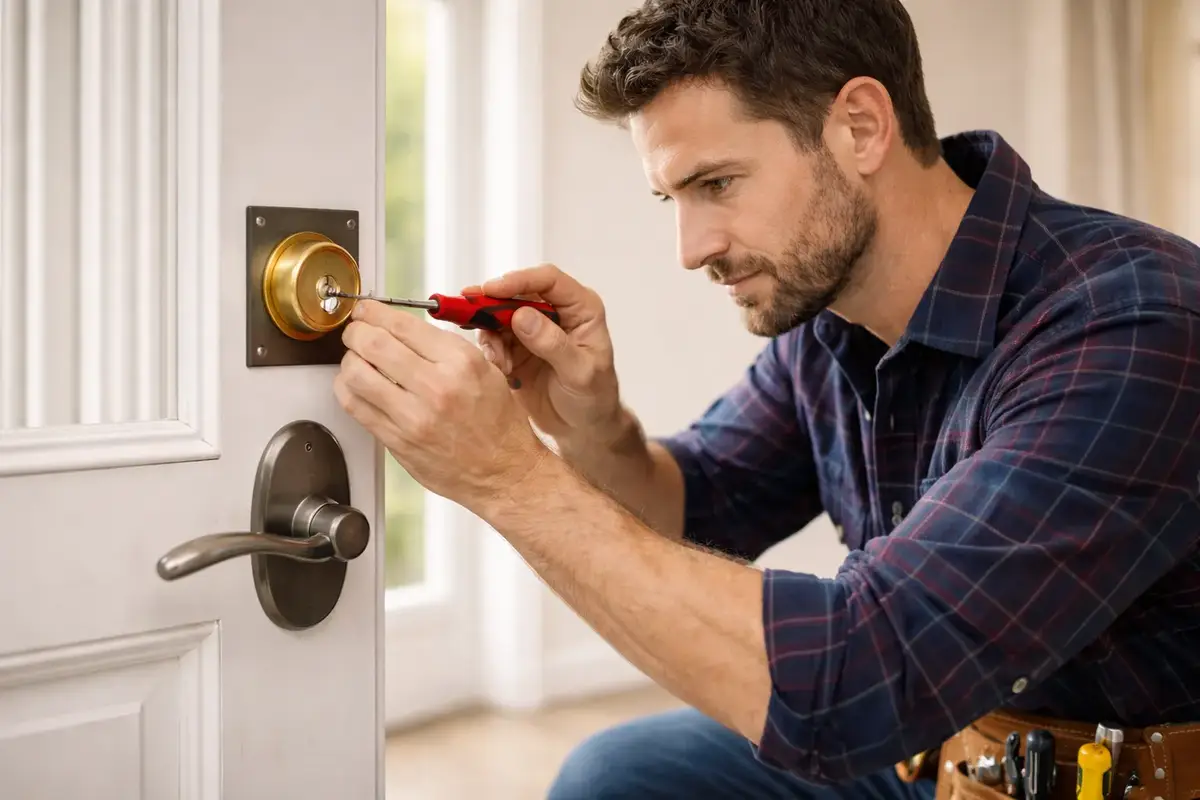
Test each lock thoroughly once the locksmith completes their work. Ensure your keys operate smoothly without excessive difficulty or resistance. Check that locks engage and disengage as they should for proper security. Confirm all hardware feels secure and functions exactly as expected. Once you verify everything works correctly, you can feel confident that the job was done right.
Legitimate professionals typically accept credit card payments for their services. Cash-only payment requests can sometimes signal potential issues with a provider. Credit cards offer built-in protection if disputes arise about charges or service quality. This payment method creates a clear transaction record for your protection. Always request to pay by card to maintain financial security and recourse options.
If you experience poor service or questionable business practices, speak up immediately. File complaints with the Better Business Bureau to document your experience officially. Share honest reviews on trusted platforms where potential customers research service providers. Your feedback helps others make informed decisions about which professionals to trust. Consider filing a police report for serious cases involving fraud or deceptive practices. Taking action protects your community and holds businesses accountable for their conduct.
Locksmith scams continue to exploit vulnerable situations, but awareness and preparation provide your strongest defense. By verifying licenses, researching providers before emergencies, demanding written estimates, and carefully inspecting completed work, you significantly reduce your risk of falling victim to fraudulent operators. Remember that legitimate professionals operate transparently; they display proper credentials, arrive in marked vehicles, honor quoted prices, and stand behind their work without pressure tactics.
When you need emergency lockout assistance, having a trusted Mobile Locksmith already researched and saved in your contacts eliminates the panic that leads to poor decisions. Take action today: identify reputable local providers, verify their licensing, and read customer reviews. This small investment of time protects you from paying hundreds in unnecessary charges. Share these tips with family and friends to help your entire community avoid locksmith scams and recognize the warning signs before it’s too late.
How can I verify if a locksmith is properly licensed?
Check your state’s licensing board website or call directly to confirm their license number is active and valid. Most states require locksmiths to display their license number on business materials, websites, and vehicles. Request this information before scheduling any service.
What should I look for when comparing locksmith quotes?
Request detailed written estimates that break down all potential fees, including service calls, labor, parts, and any after-hours charges. Compare quotes from multiple providers and be wary of prices that seem unusually low or significantly higher than competitors. Legitimate locksmiths provide transparent pricing without hidden fees.
Should I accept a locksmith’s cash-only payment policy?
Be cautious with cash-only requests, as legitimate businesses typically accept multiple payment methods, including credit cards. Credit card payments provide consumer protections and dispute resolution options. If cash is your only option, ensure you receive a detailed written receipt.
What should I do if the final bill exceeds the original quote?
Immediately question any significant price discrepancies before making payment. Request itemized explanations for additional charges and compare them to your written estimate. If the provider cannot justify the increase, consider refusing payment and filing complaints with local consumer protection agencies.
How far in advance should I research locksmith services?
Research and identify trusted locksmiths now, before any emergency occurs. Save their contact information in your phone and verify their credentials, reviews, and pricing policies. This preparation eliminates the pressure to make rushed decisions during stressful lockout situations when you’re most vulnerable to scams.