March 27, 2026

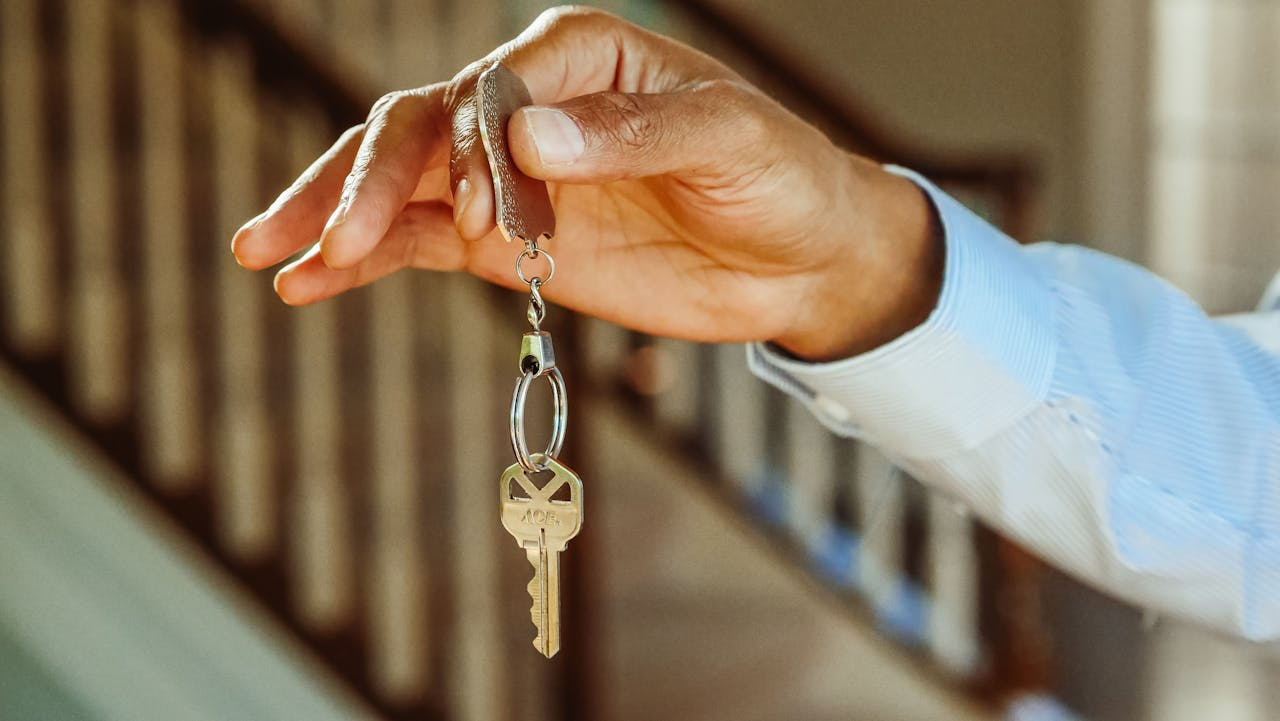
A locksmith can copy a “Do Not Duplicate” key. Despite what the stamp suggests, no law prevents these keys from being duplicated. The marking is simply a visual deterrent meant to discourage unauthorized copying, but it holds no legal power.
Most chain hardware stores will refuse to duplicate these keys due to internal company policies. However, professional locksmiths are generally willing to help as long as you can provide proof of authorization, such as property owner contact details or written permission.
If you need stronger protection against unauthorized key copies, consider upgrading to restricted or high-security keys. Unlike “Do Not Duplicate” keys, restricted keyways are patent-protected, meaning only authorized dealers can cut them. According to the Associated Locksmiths of America, unauthorized duplication of these keys can result in legal consequences.
In this guide, we cover everything you need to know about “Do Not Duplicate” keys, including how they differ from restricted keys, what to expect when requesting a copy, and how to choose the right security solution for your property.
While some chain hardware stores may refuse to duplicate these keys because of corporate policies designed to limit liability, locksmiths are typically more willing to assist you with getting your key copied. The Security Industry Association notes that ethical key duplication practices vary by provider.
When you reach out to a locksmith like Mobile Locksmith in Minneapolis, you might be asked to show proof of authorization. This could include the property owner’s contact details or other verifying information. For this reason, make sure you have proper authorization ready to prevent any issues.
Just like any standard key, locksmiths can duplicate a “Do Not Duplicate” key once they confirm your authorization. They use specialized equipment, such as key-cutting machines, to create the duplicate. These machines replicate the grooves and contours of the original key onto a blank key. If your key breaks during use, you may also need broken key extraction before a new copy can be made.
Keys stamped with “Do Not Duplicate” are commonly found in commercial and rental settings where property owners need tight control over key copying. Business owners and landlords in Minneapolis often use these keys when distributing them to several individuals, like staff members or renters. The National Association of Realtors recommends property managers use controlled key systems for better tenant management. The engraved message acts as a visual warning against unauthorized copying, though it holds no legal weight on its own.
Whether you own property in Chanhassen, Stillwater, or anywhere else in the Minneapolis area, understanding how these keys work is essential for maintaining security.
Even though the “Do Not Duplicate” stamp looks official and intimidating, no actual law exists that makes copying these keys illegal. You should know that this marking serves as a request or recommendation rather than a legally enforceable restriction. Anyone can technically have these keys copied without getting permission from the property owner. The Locksmith Ledger has published numerous articles confirming this legal reality.
That said, many hardware stores and locksmiths in Minneapolis choose to be careful when handling these requests. They often follow ethical guidelines and want to protect themselves from any potential liability concerns that could arise from duplicating restricted keys. When choosing a locksmith, the Better Business Bureau recommends verifying credentials and reviews before hiring.
For residential locksmith services or commercial needs, always work with a reputable provider who follows industry best practices.
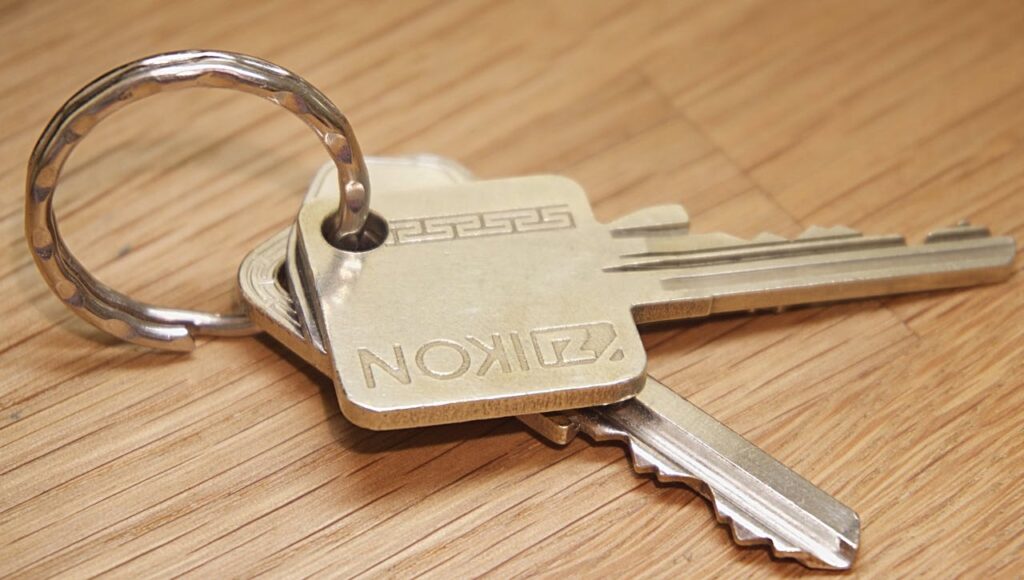
If you want to maintain strict control over who can access your property and stop unauthorized copies of your keys from being made, “Do Not Duplicate” keys may fall short of your expectations since they fall into the unrestricted category. A better option is to look into restricted keys, sometimes called patented or high-security keys. Consumer Reports suggests that high-security locks provide significantly better protection for homeowners.
Restricted keyways usually have utility patent protection, which gives the manufacturer exclusive rights to the key design. Only the manufacturer, like Mobile Locksmith or another authorized lock company, can cut the restricted key or grant permission to make a copy. Anyone who duplicates these keys without proper authorization could face legal action. The FBI reports that property crimes remain a significant concern, making proper key control essential.
On top of that, restricted keyway locks typically come with strong security features that make copying a restricted key much harder to accomplish. The Cybersecurity and Infrastructure Security Agency emphasizes the importance of physical security measures alongside digital protections.
Homeowners in Forest Lake, Champlin, and surrounding areas can benefit from upgrading to these advanced systems. The Electronic Security Association provides resources on integrated security solutions that combine high-security locks with modern technology.
Finding a trustworthy locksmith is essential when you need key duplication services, especially for keys marked “Do Not Duplicate.” Not all locksmiths operate with the same level of professionalism, and choosing the wrong one can lead to poorly cut keys, overcharging, or even security risks. Taking time to select a reputable provider ensures you receive quality service and properly functioning keys.
Start by looking for locksmiths with established businesses in your area. A locksmith with a physical storefront or a well-documented service history is generally more reliable than someone operating solely through online ads. Local locksmiths who have served the community for years tend to value their reputation and are more likely to provide honest, transparent service. Ask friends, family, or neighbors for recommendations, as personal referrals often lead to trustworthy professionals.
Credentials matter when selecting a locksmith. Look for technicians who are licensed, bonded, and insured. Licensing requirements vary by state, but these credentials indicate that the locksmith has met certain professional standards. Insurance protects you in case something goes wrong during the service, such as accidental damage to your lock or door. Membership in professional organizations also signals a commitment to industry best practices and ongoing education.
Before agreeing to any service, request a clear estimate. Reputable locksmiths provide upfront pricing and explain any potential additional costs before starting the work. Be cautious of locksmiths who give vague quotes over the phone or significantly raise the price once they arrive. Getting everything in writing helps avoid misunderstandings and protects you from unexpected charges.
Pay attention to how the locksmith handles your request for a “Do Not Duplicate” key. A professional locksmith will ask for authorization or proof of ownership before cutting the key. This careful approach shows they follow ethical guidelines and take security seriously. If a locksmith offers to duplicate the key without asking any questions, it may be a sign they do not prioritize proper procedures..

So, can you copy a key marked “Do Not Duplicate”? Yes, a locksmith can cut spare keys for these keyways since no legal restrictions exist against it. The stamp simply offers a psychological deterrent and a basic sense of security. That said, locksmiths and hardware stores often use caution and may ask for proper authorization before duplicating a “Do Not Duplicate” key.
For stronger security and better control over who has access, think about switching to restricted keys. These keys come with legal protections that prevent unauthorized duplication and include advanced security features. Check out our blog for more tips on improving your property’s security.
If you need a locksmith in Minneapolis for key duplication services or want high-security solutions, we are ready to help. We can cut new keys for your lock and offer professional consultation to help you choose the best options. We also provide top-quality high-security lock installations. For urgent situations, our emergency locksmith services are available around the clock.
We proudly serve Hanover, Carver, and the entire Minneapolis metro area. Contact us today and let us help you protect your property!
Understanding how “Do Not Duplicate” keys work can save you time and frustration when you need spare copies. While the stamp may look official, it carries no legal weight and serves only as a deterrent. Locksmiths can duplicate these keys as long as you provide proper authorization.
However, if you want true control over key access and real protection against unauthorized copies, restricted or high-security keys are the smarter choice. These options offer legal safeguards and advanced features that standard keys simply cannot match. Learn more about us and why Minneapolis residents trust Mobile Locksmith for reliable solutions tailored to their needs.
Can a locksmith legally copy a “Do Not Duplicate” key?
Yes. No laws prohibit copying these keys. The stamp is a deterrent, not a legal restriction.
Will hardware stores duplicate “Do Not Duplicate” keys?
Most chain hardware stores refuse due to company policies. Local locksmiths are usually more willing to help with proper authorization.
What proof do I need to duplicate a “Do Not Duplicate” key?
You may need to show the property owner contact information or other documents that verify you have permission to copy the key.
What is the difference between “Do Not Duplicate” keys and restricted keys?
“Do Not Duplicate” keys have no legal protection. Restricted keys are patent-protected, and only authorized dealers can cut them.
Are restricted keys worth the investment?
Yes. They offer legal protection against unauthorized duplication and come with enhanced security features that make copying nearly impossible.