March 27, 2026

Home locks require replacement every 7-10 years or sooner when showing specific warning signs. This guide identifies five critical indicators that signal immediate lock replacement: aging lock systems over 10 years old, moving to a new home, lost or stolen keys, sticky or malfunctioning lock mechanisms, and locks compromised by break-in attempts. Ignoring these warning signs increases your home’s vulnerability to burglaries and unauthorized entry. Modern lock technology, including smart locks with keyless entry, pick-resistant deadbolts, and tamper-alert systems, offers significantly better protection than outdated locks. Replace your locks immediately if you experience difficulty turning keys, notice visible corrosion or damage, relocate to a different residence, or suffer a break-in. Professional locksmiths recommend upgrading to high-security locks featuring reinforced materials and advanced locking mechanisms that resist picking, bumping, and forced entry methods better than standard residential locks.
Your home’s locks serve as the first line of defense against unauthorized entry, protecting not just your valuables but also your family’s safety and privacy. Despite their critical role, locks are often overlooked in home maintenance routines until a problem arises. The reality is that locks are mechanical devices subject to wear and tear, environmental damage, and technological obsolescence. Understanding when to replace your locks can mean the difference between a secure home and an easy target for intruders.
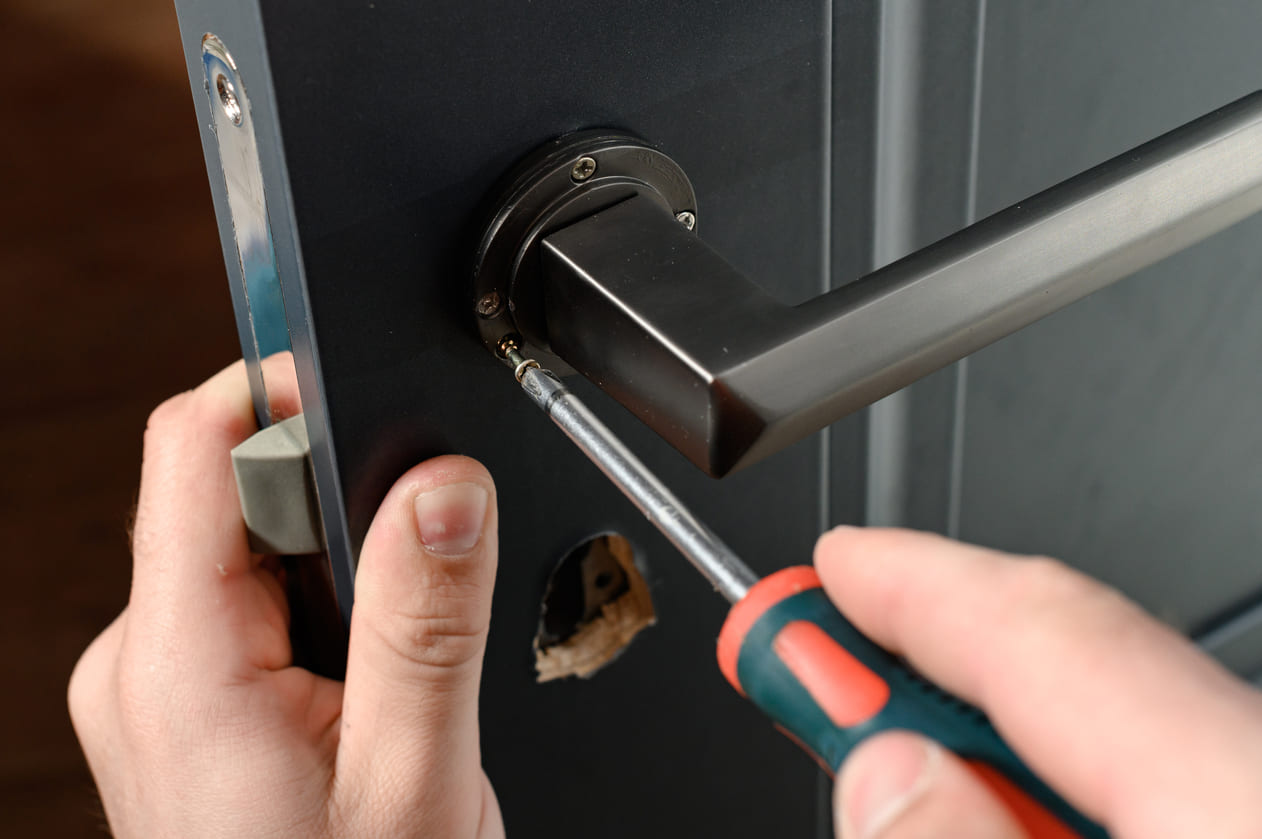
Locks deteriorate through continuous operation, exposure to elements, and natural aging processes. Every time you insert and turn a key, microscopic wear occurs on the internal pins, springs, and cylinders. Over months and years, this wear accumulates, causing the lock mechanism to become less precise and more vulnerable to manipulation.
Aging, corroded locks become more susceptible to picking or forced entry. Corrosion from moisture exposure can weaken metal components, making them easier to break or bypass. Additionally, outdated locks typically lack contemporary features and engineering advancements that enhance modern lock security.
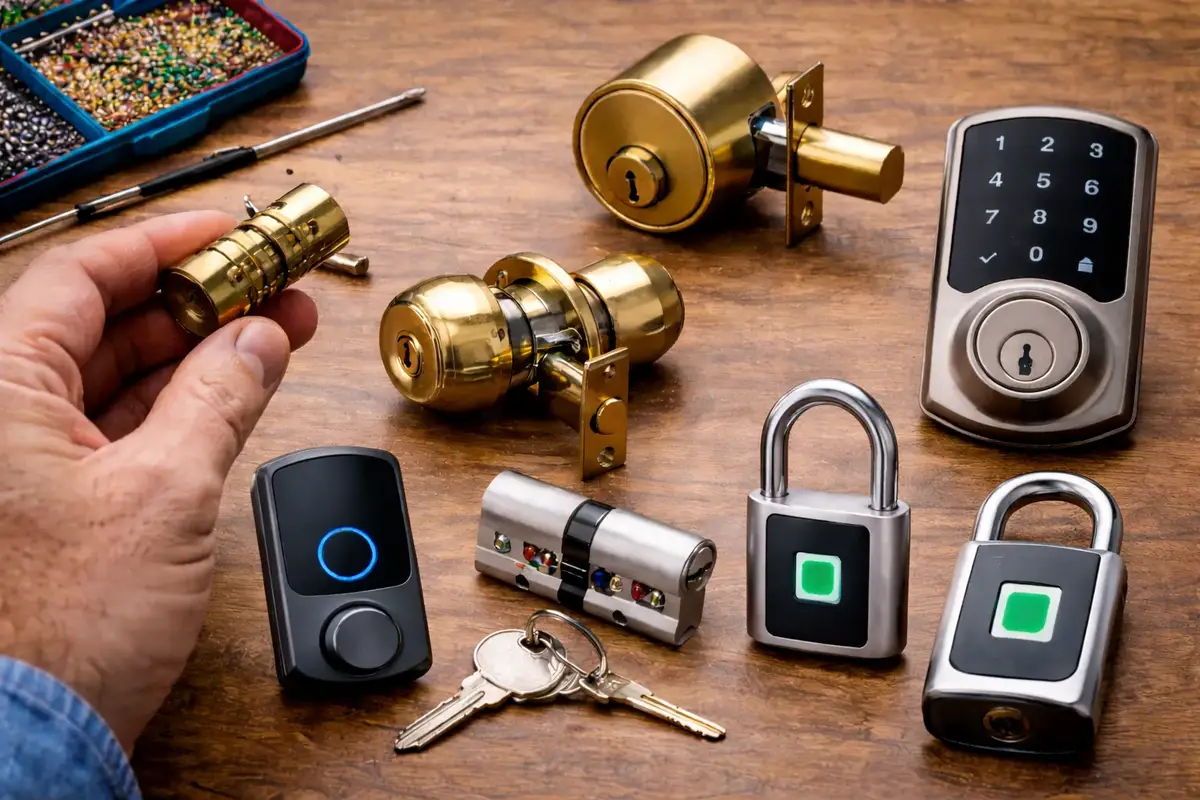
Recent innovations in locksmith technology have introduced smart locking systems, deadbolts with pick-resistant features, and advanced security mechanisms. Modern locks incorporate hardened steel bolts that resist sawing, anti-drill plates that protect internal mechanisms, and pick-resistant pin configurations that thwart traditional lock-picking techniques. Smart locks offer features like temporary access codes for guests, activity logs, and remote locking capabilities.
When your property’s locks have been installed for over ten years, or display obvious deterioration such as faded finish, loose mounting hardware, or excessive force needed to operate, an upgrade is warranted. A lock installed fifteen years ago predates many security innovations now considered standard in residential security.
Replacing the locks should rank among your top priorities after relocating to a different residence. This recommendation applies whether you’ve purchased a home or moved into a rental property. The security concern is simple: you cannot control or track who has access to copies of the existing keys.
According to the National Association of Realtors, while former owners or occupants may have provided their keys, you cannot verify how many duplicates exist or who possesses them. Consider how many people typically have access during a home’s lifecycle: previous owners, their family members, house cleaners, contractors, real estate agents, and inspectors. Each of these individuals may have made copies that could still exist.
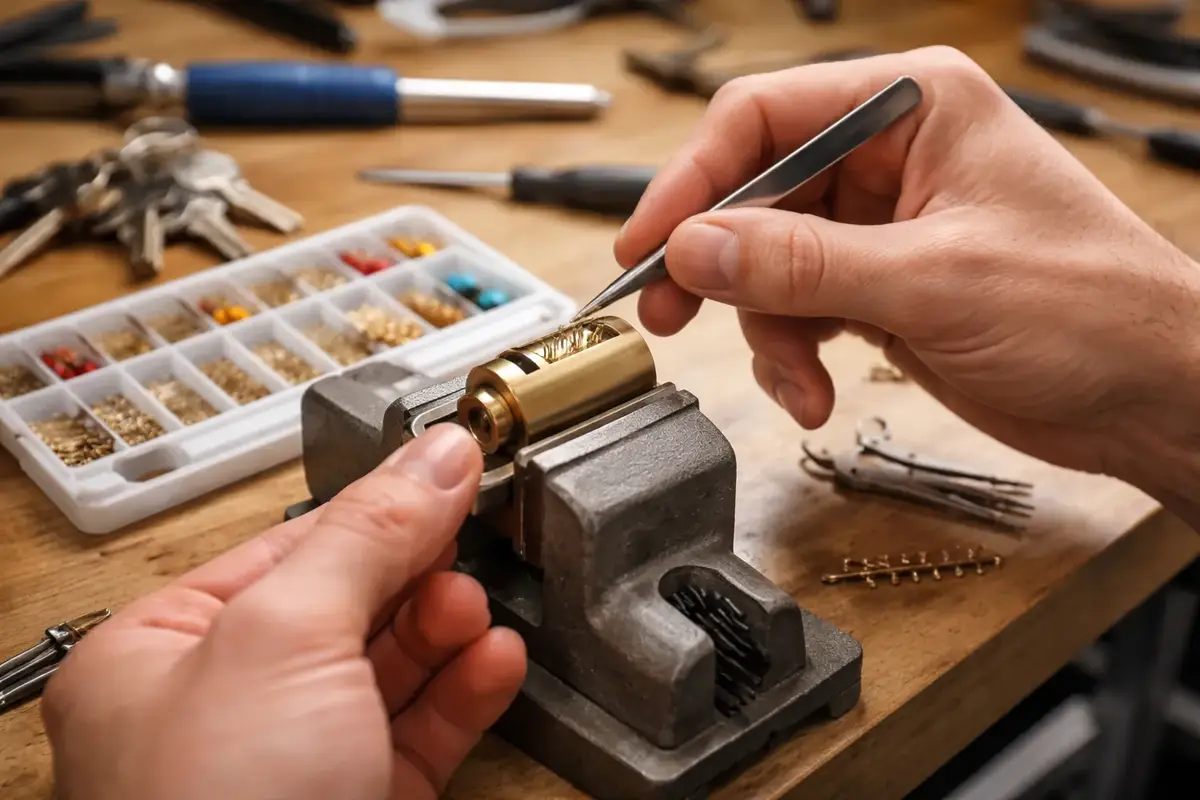
Lock replacement guarantees you become the exclusive keyholder, eliminating any uncertainty about who can access your home. Rekeying current locks presents a cost-effective alternative when the existing hardware remains functional. This process changes the internal pin configuration so old keys no longer work. However, installing fresh locks frequently provides optimal security, especially if existing locks are outdated or lack modern security features. For most new homeowners, the peace of mind that comes with brand-new, high-security locks is worth the additional investment.

Misplacing your house keys creates frustration alongside a serious security vulnerability. Even believing your keys were merely displaced, the possibility exists that someone could discover them and identify your residence. Modern key fobs often contain identifying information like loyalty cards with your name or gym membership tags with addresses, making it easier for someone to trace keys back to your home.
Rather than simply duplicating a key, consider complete lock replacement. Many people make the mistake of just getting a new key cut without addressing the security vulnerability. If your original keys are still out there, whoever has them can still access your home. Lock replacement eliminates potential unauthorized access while allowing you to select enhanced security hardware.
If key loss occurs regularly, transitioning to keyless entry technology deserves consideration. Keyless entry systems eliminate the physical vulnerability of lost keys entirely. Options include electronic keypads that use PIN codes, smart locks controlled by smartphone apps, and biometric readers that use fingerprints. These systems not only solve the lost key problem but provide enhanced security features like access logs and the ability to grant temporary access to guests. Learn more about modern security solutions that can protect your home.
Experiencing difficulty rotating the key in your lock? Does your door resist or feel uncooperative during locking or unlocking attempts? These indicators signal that your locks have sustained damage or deterioration. What starts as a minor annoyance can quickly escalate into a serious problem.
Binding, rigid, or malfunctioning locks create substantial inconvenience while potentially becoming safety liabilities. Consider being locked outside during urgent situations like a medical emergency, or struggling to exit rapidly during a fire because your lock won’t cooperate.
Frequently, these complications stem from accumulated debris within the lock mechanism or degraded internal elements. Dust, dirt, and grime can build up inside the lock cylinder, especially in exterior locks exposed to the elements. Internal components also naturally wear out springs can weaken or break, pins become worn, and cylinder housings can develop cracks from temperature fluctuations.
When cleaning or lubricating the lock proves ineffective, replacement becomes necessary. Before replacing, try spraying graphite lubricant into the keyway and gently working the key in and out. If these steps don’t resolve the problem, the lock mechanism itself is likely damaged. Pay attention to warning signs like keys requiring wiggling to work, locks that only function when the door is in a specific position, or unusual grinding sounds when turning the key. If you find yourself with a stuck or broken key, our broken key extraction services can help resolve the issue quickly.

Following a burglary or unauthorized access attempt at your residence, your locks may be compromised in ways that aren’t immediately visible. According to FBI crime statistics, though the lock might lack visible damage, interference with locking mechanisms can undermine internal components, reducing effectiveness against trespassers.
Break-in attempts using techniques like lock bumping, picking, or forced entry can bend pins, damage springs, misalign cylinders, or crack internal housings. Even unsuccessful attempts may have weakened your lock to the point where a second attempt would easily succeed. When someone kicks a door or uses a pry bar, the force can crack the strike plate mounting, loosen screws in the lock mounting, or bend the bolt mechanism.
Furthermore, the emotional impact of burglary can be reduced through installing newer, stronger locks. Many burglary victims report ongoing anxiety about home security and difficulty sleeping. Taking concrete action to improve security helps restore your sense of control and safety.
Emergency locksmiths frequently suggest upgrading to high-security locks following break-ins to deliver reinforced protection against subsequent intrusion attempts. This is an opportune time to implement comprehensive security improvements, including upgrading to Grade 1 deadbolts, installing reinforced strike plates with 3-inch screws, and considering smart locks with intrusion alerts. Statistics show that homes burglarized once are at higher risk of repeat burglaries.
Your home’s lock condition typically slips under the radar until problems strike. Take action on warning signs early, and you’ll sidestep stressful scenarios. Lock replacement strengthens your home security while delivering genuine peace of mind.
Today’s lock technology delivers powerful capabilities like keyless access, remote surveillance, and intrusion alerts, as noted by Consumer Reports home security experts. Current lock models utilize reinforced materials and upgraded locking systems, creating superior defense against picking techniques, bumping attacks, or forced entry attempts. High-security locks feature hardened steel inserts that resist drilling and pick-resistant pin configurations.
Lock replacement represents a relatively modest investment compared to the potential cost of a burglary. The average burglary results in property loss exceeding two thousand dollars, not including emotional trauma and insurance complications. Quality locks can also increase your home’s value, and many insurance companies offer premium discounts for homes with certified high-security locks. The Better Business Bureau recommends working with trusted, accredited locksmiths for professional installation.
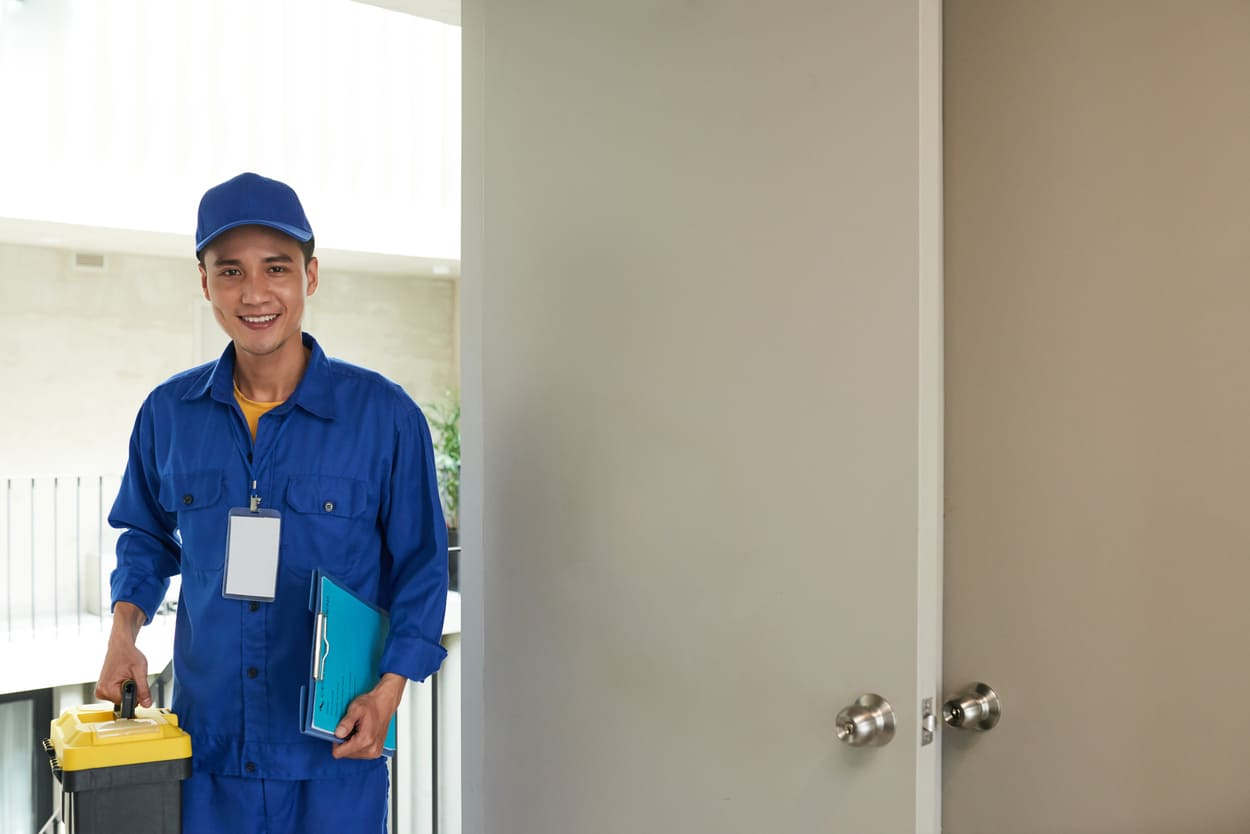
Locks lack built-in expiration dates, yet security professionals advise replacement every 7-10 years based on usage frequency and weather exposure. The Cybersecurity and Infrastructure Security Agency emphasizes that if your locks display any warning indicators constant key sticking, visible deterioration, or compromised security act now and invest in lock replacement.
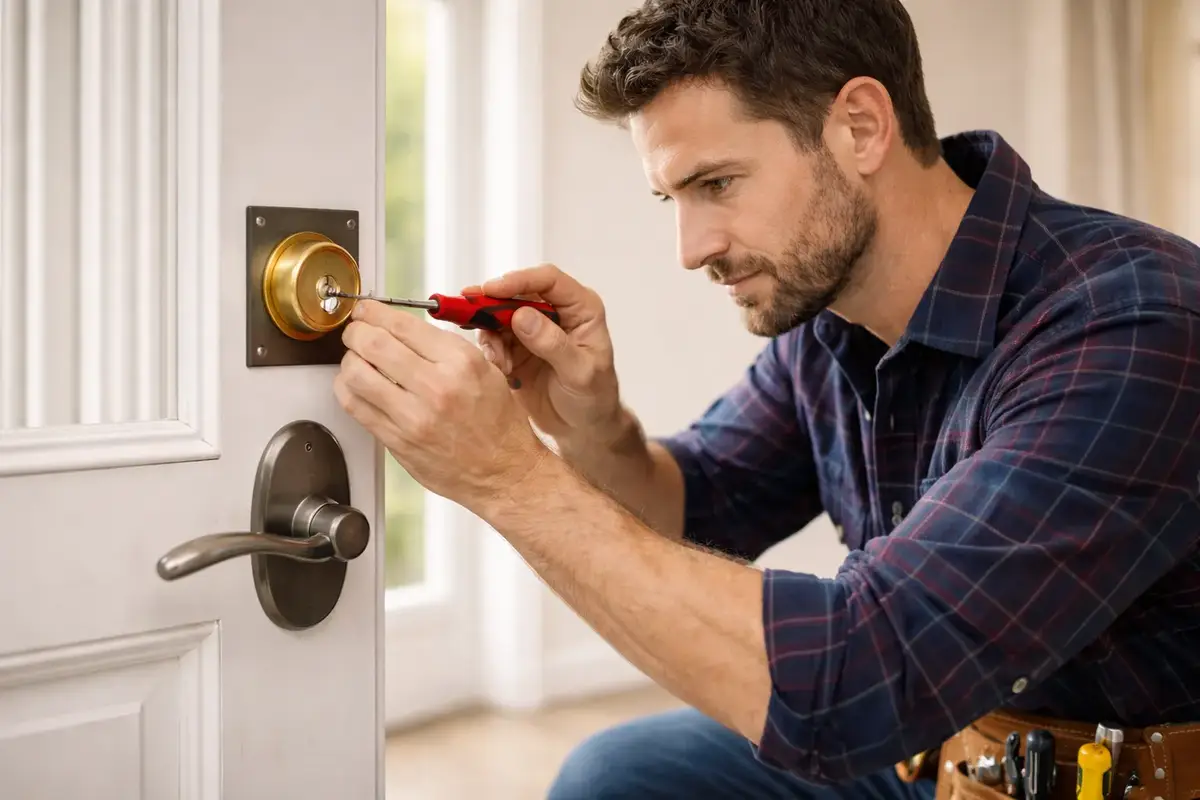
For expert lock replacement solutions, count on Mobile Locksmith to deliver dependable, premium service customized to your security requirements. Professional locksmiths can assess your current security situation, recommend appropriate upgrades, and ensure proper installation for maximum security. Whether you need residential or commercial locksmith services or are located in Chanhassen, Stillwater, Forest Lake, Champlin, Hanover, or Carver, reach out today to arrange an evaluation.
Don’t let uncertainty about lock condition leave your home vulnerable. Start by conducting a thorough inspection of all exterior door locks, check for rust, test each key’s smoothness when turning, and examine the hardware for wear or damage. If you’ve recently moved, consider this inspection your first priority, as home safety experts recommend. For homes with locks over seven years old, schedule a professional consultation to evaluate whether rekeying or complete replacement makes more sense for your situation and budget. AAA members may have access to discounted locksmith services as part of their membership benefits. The Security Industry Authority provides guidelines on security standards to help you make informed decisions.
For additional security insights and expert tips, visit our blog where we regularly share industry updates and practical advice. You can also contact us to speak with a security specialist who can answer your specific questions. To learn more about our company and commitment to security, visit our website.
Protecting your home starts with recognizing when your locks have exceeded their functional lifespan. The five warning signs covered aging lock systems, home relocation, lost keys, malfunctioning mechanisms, and break-in attempts all demand immediate attention to maintain your property’s security integrity. Don’t wait for a security incident to force your hand; proactive lock replacement prevents break-ins and restores your sense of safety. Modern lock technology offers unprecedented protection through advanced materials, smart features, and tamper-resistant designs. By investing in quality home security now, you’re securing both your property and your family’s well-being for years to come. Remember, your home is your sanctuary, and ensuring robust lock security is one of the most fundamental steps in protecting what matters most.
How often should I replace my home locks?
Security professionals recommend replacing locks every 7-10 years based on normal usage and environmental exposure. However, you should replace them immediately if they show signs of damage, malfunction, or if your home security has been compromised.
Is it better to rekey or replace locks when moving to a new home?
Rekeying is more cost-effective if the existing locks are in good condition and relatively new. However, complete replacement is recommended if locks are outdated, worn, or lack modern security features that provide better protection.
What should I do if I lose my house keys?
Replace your locks immediately rather than just making duplicate keys, as lost keys pose a security risk. Consider upgrading to keyless entry systems if you frequently lose keys, which eliminates this vulnerability entirely.
Can I fix a sticky lock myself or do I need a professional?
Try cleaning and lubricating with graphite lubricant first, which often resolves minor sticking issues. If the problem persists or worsens, the internal mechanism is likely damaged and requires professional replacement to prevent lockouts.
Are smart locks more secure than traditional deadbolts?
Modern smart locks offer comparable or superior security to traditional high-quality deadbolts, with added benefits like access logs and remote monitoring. Choose smart locks from reputable brands with encryption and regular security updates for optimal protection.