March 27, 2026

Locksmith scams target vulnerable people during emergency lockout situations, turning a simple service call into an expensive nightmare. These fraudulent operators use deceptive tactics including fake online listings, bait-and-switch pricing, and unnecessary lock destruction to maximize profits. Understanding how these scams work and knowing what red flags to watch for can save you from significant financial loss and property damage.
The key to avoiding locksmith fraud is recognizing their common patterns before you become a victim. Scammers typically operate through misleading online advertisements, refuse to confirm their business identity, insist on destructive methods over simple lock picking, and demand cash-only payments. Many regions lack mandatory licensing requirements, allowing dishonest operators to thrive without proper oversight or accountability.
Protecting yourself starts with proactive preparation rather than reactive searching during emergencies. By researching and saving contact information for certified, association-verified locksmiths before you need them, you eliminate the risk of making desperate decisions under pressure. This guide reveals the specific tactics scammers use at each step and provides actionable strategies to ensure you only work with legitimate, trustworthy professionals.
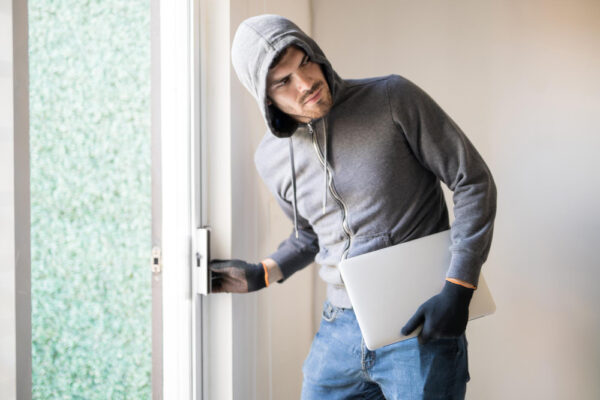
Did you know that certain regions allow locksmiths to operate without requiring proper licensing or credentials? This regulatory gap creates opportunities for dishonest service providers to advertise their businesses online. These fraudulent operators often target busy urban areas where emergency locksmith services are frequently needed. To safeguard yourself from falling victim to such scams, always verify that your locksmith holds valid certifications from recognized professional organizations.
Check if they are members of recognized professional associations that maintain industry standards and ethical practices. Taking these verification steps before hiring can prevent you from experiencing overcharging or poor service quality. Always research and confirm credentials through official channels like the Better Business Bureau before allowing anyone access to your property.
Protecting yourself from dishonest service providers starts with understanding their typical methods and tactics. Learning how these scammers operate gives you the knowledge needed to identify warning signs early. Recognizing their common strategies helps you make informed decisions when selecting a locksmith for your residential needs. This awareness empowers you to avoid falling victim to overpriced services or unprofessional behavior during emergencies.
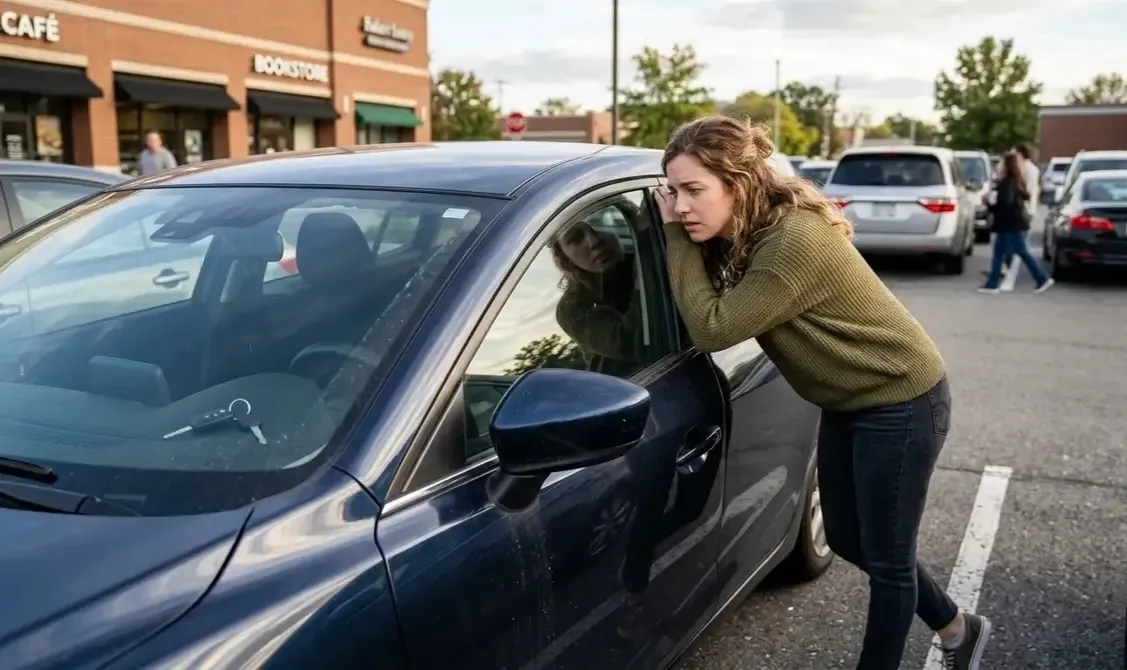
When you find yourself locked out, your first instinct is likely to search online for help. You might see advertisements promising affordable unlocking services that seem perfect for your urgent situation. However, these listings often connect you to distant call centers rather than local service providers in Chanhassen. Dishonest operators flood search engines and online directories with fake addresses, websites, and business listings. This deliberate saturation strategy makes it extremely difficult to distinguish legitimate professionals from fraudulent ones.
The overwhelming presence of phony listings significantly increases your chances of contacting an untrustworthy provider. Understanding this deceptive tactic helps you approach your search with greater caution and skepticism. Consumer Reports has documented numerous cases of consumers falling victim to these misleading online tactics.
After placing your call, you may notice the person answering doesn’t confirm the business name you expected. Instead, they typically use vague or generic terms when identifying themselves during the conversation. This approach allows them to handle incoming calls from numerous fake business listings simultaneously. They will ask for your specific location to dispatch someone to your address quickly.
This deceptive naming practice makes it harder to verify the legitimacy of the service provider. The confusion created by generic responses is an intentional tactic to prevent you from questioning their authenticity. Legitimate commercial locksmith services will always clearly identify their business name and provide verifiable contact information.
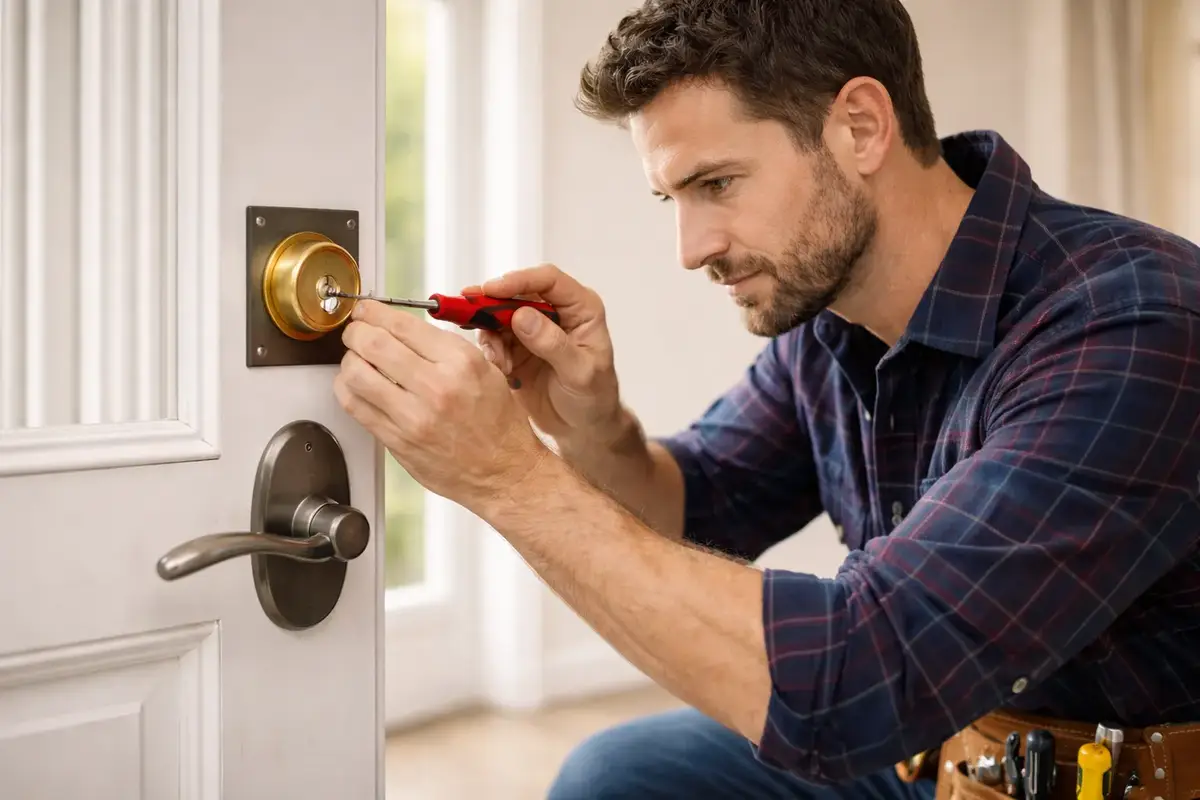
Professional locksmiths understand that picking a lock is typically the most cost-effective solution for opening doors. This method is also the fastest and simplest approach to resolve most lockout situations efficiently. However, dishonest operators will immediately claim that picking your lock is impossible for various fabricated reasons. They might say the lock is too modern, a component is damaged, or the mechanism is outdated.
These excuses are designed to justify switching to more expensive and unnecessary procedures like drilling. The initial affordable quote you received suddenly transforms into a bill worth several times more. They may begin drilling your lock immediately and then add significant labor charges to the final cost. This deceptive practice leaves you with both a damaged lock and an inflated bill. If you need legitimate broken key extraction or lock repair, always work with certified professionals.
Dishonest service providers often resort to drilling your lock as their primary method of entry. They justify this destructive approach by claiming it’s the only way to open your door. The real problem emerges after they complete the drilling, leaving your lock completely unusable and damaged. This intentional destruction forces you to purchase replacement hardware that wasn’t originally necessary for the job.
You now face additional expenses for both new lock components and professional installation services. The costs continue accumulating far beyond the initial quote you were promised over the phone. This calculated strategy maximizes their profit while leaving you with unexpected financial burdens and property damage. Residents in areas like Stillwater and Forest Lake should be particularly vigilant when searching for emergency services.
Fraudulent operators rarely accept credit card payments because these transactions can be disputed and reversed easily. They strongly prefer cash payments since this method provides no opportunity for customers to recover their money. Some may accept debit card payments because those funds are typically harder to reverse compared to credit transactions. Many regions lack mandatory licensing requirements for locksmith professionals, creating environments where dishonest operators thrive.
These unregulated areas become hotspots for scam activity due to minimal oversight and accountability. The cash-only demand is a major red flag that should immediately raise your suspicions. Law enforcement agencies like the FBI have issued warnings about these cash-only scams targeting consumers. Always question service providers who refuse standard payment methods or insist exclusively on untraceable cash payments.
Proactively identifying a trustworthy local locksmith before an emergency occurs is your best defense strategy. Research and select a reliable professional as soon as you move into a new residence. Save their contact information directly in your phone directory for quick access during urgent situations. This preparation ensures you won’t need to search frantically when you’re locked out unexpectedly. Professional associations like the Electronic Security Association and National Automotive Service Consumers Organization exist specifically to verify and certify qualified locksmiths who meet strict industry standards.
These organizations conduct thorough background checks on members to ensure they maintain ethical business practices consistently. Membership in recognized professional associations indicates a locksmith has met rigorous requirements for trustworthiness and competence. Visiting these association websites allows you to search for verified professionals operating in your local area, whether you need service in Champlin, Hanover, Carver, Albertville, Burnsville, or Andover. Taking these preventive measures significantly reduces your risk of encountering fraudulent operators during vulnerable moments. Industry publications like Locksmith Ledger and resources from the Cybersecurity and Infrastructure Security Agency provide additional guidance on security best practices.
Locksmith scams continue to exploit vulnerable individuals during stressful lockout situations when quick decisions seem necessary. Understanding the common tactics used by fraudulent operators equips you with the knowledge to identify red flags immediately. Armed with this awareness, you can confidently avoid these deceptive practices and protect both your property and finances.
Taking proactive steps today will save you from costly mistakes and frustrating experiences in the future. Contact us to research and save information for verified, certified locksmiths in your area before emergencies arise. By choosing professionals with proper credentials and memberships in organizations like the American Consumer Council for Locksmiths, you ensure quality service and fair pricing every time.
What should I do immediately if I’ve already been scammed by a locksmith?
Document everything with photos and receipts, then report the incident to your state’s Attorney General office, the FBI’s Internet Crime Complaint Center, and dispute charges through your credit card company for potential recovery.
How long should it typically take a professional locksmith to unlock my door?
Most skilled locksmiths unlock standard residential doors within 5-15 minutes using non-destructive picking methods. If they claim it requires immediate drilling or takes significantly longer, consider it a red flag.
Should I request a written estimate before any locksmith work begins?
Always demand a detailed written estimate before work starts, including all potential fees and labor costs. Legitimate professionals provide transparent pricing upfront—refusal to document costs signals potential fraud.
What specific questions should I ask when the locksmith arrives at my location?
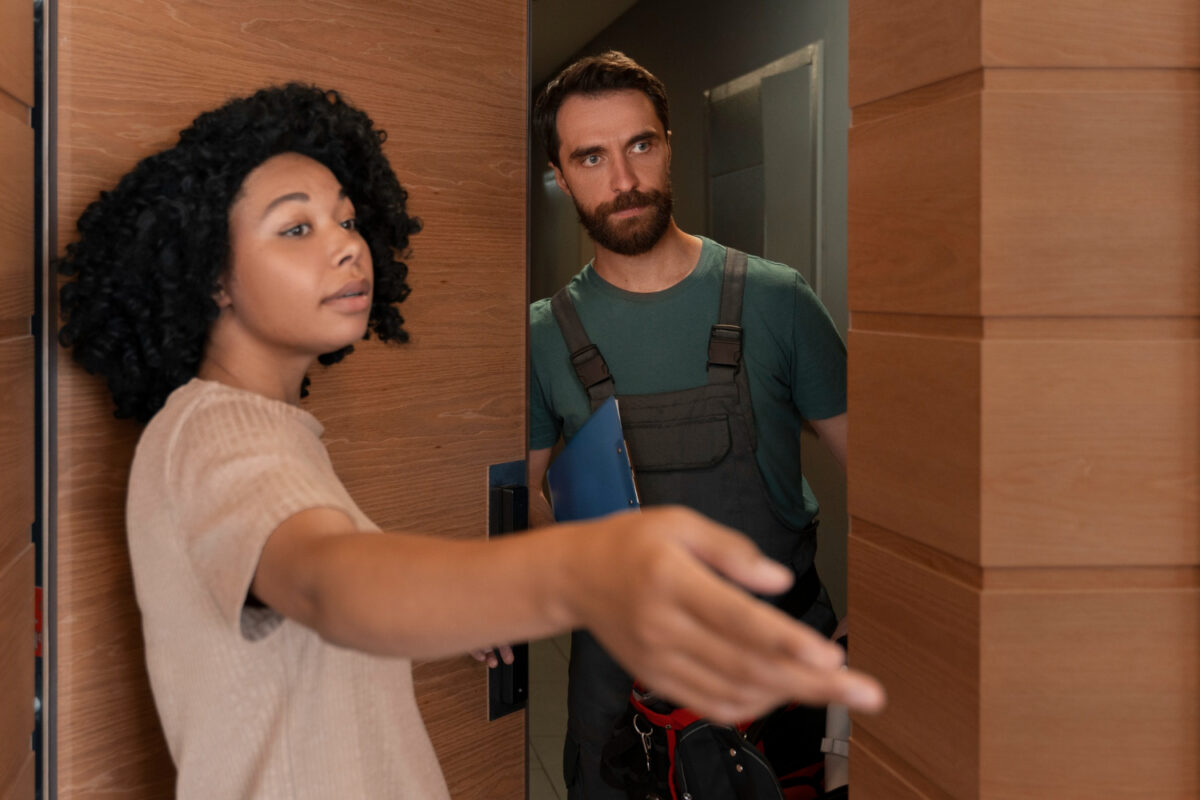
Request their official identification, business license number, and verify the company name matches what you called. Ask them to describe the work they’ll perform and confirm the agreed-upon price before starting.
Can I refuse service if something feels wrong after the locksmith arrives?
Absolutely—trust your instincts. You have every right to cancel service before work begins if the technician lacks proper identification, arrives in an unmarked vehicle, or refuses to confirm pricing.