March 27, 2026

Choosing a qualified locksmith requires verifying credentials, pricing transparency, and service quality before hiring. A professional locksmith should have proper licensing, provide 24/7 emergency services, offer written estimates upfront, and arrive in clearly marked company vehicles. Most locksmith scams involve unmarked vehicles, missing business addresses, drilling locks unnecessarily, and adding hidden fees after arrival.
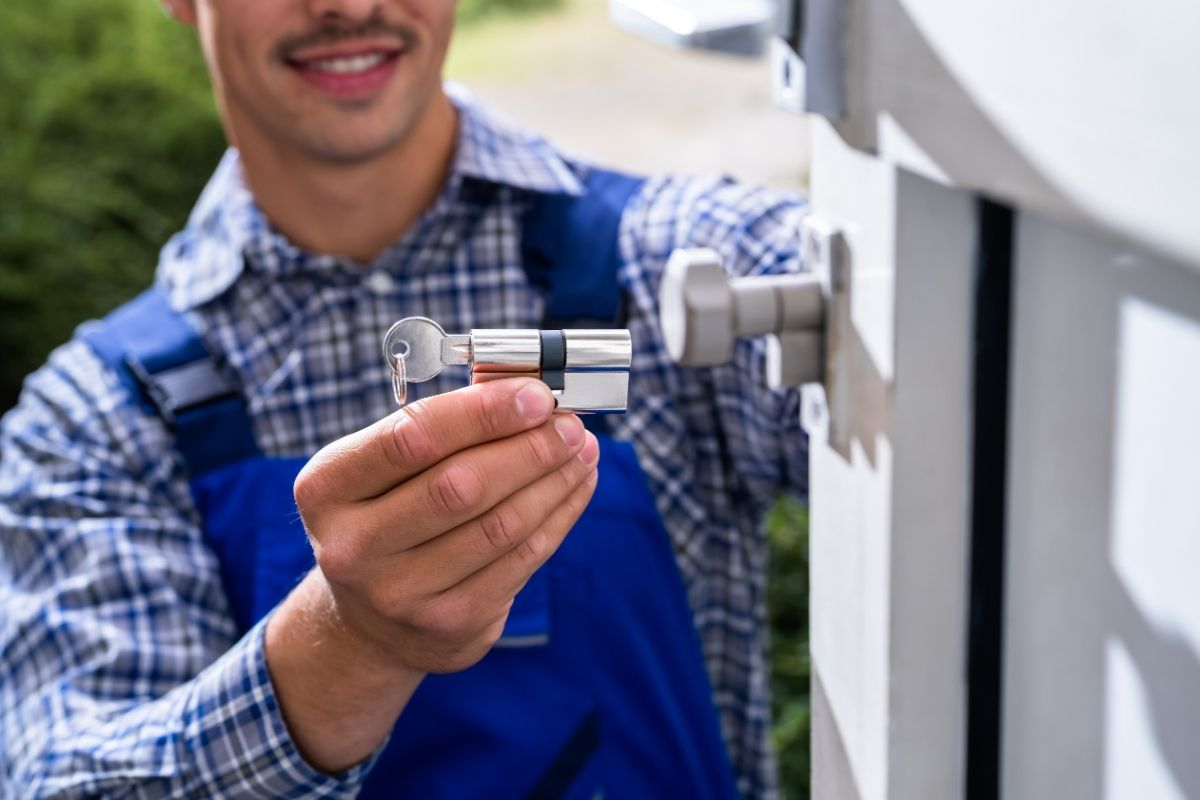
Licensed professionals provide proof of insurance and certifications, maintain a physical business address, and have established online reviews across multiple platforms. According to the Associated Locksmiths of America (ALOA), they should offer comprehensive services, including lock repairs, key duplication, and electronic security systems, not just basic installations.
Professional locksmiths provide detailed written estimates before starting work, with transparent pricing that includes labor, parts, and service fees. Suspiciously low advertised prices often indicate bait-and-switch tactics or hidden charges.
Red flags to avoid: Companies refusing to share credentials, arriving in unmarked vehicles, suggesting lock drilling as the first solution, or pressuring immediate decisions without written documentation. Legitimate locksmiths attempt non-destructive entry methods first and explain their processes clearly before beginning work.
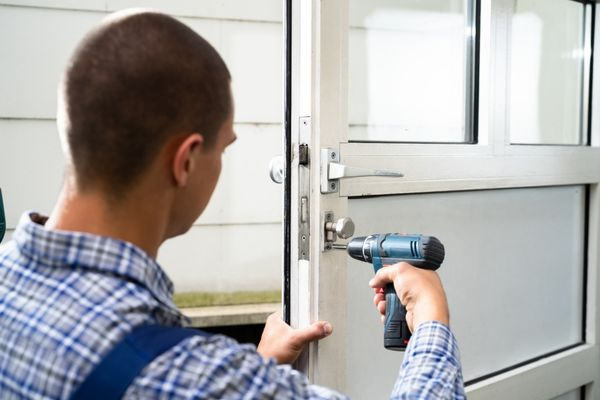
Your property’s security depends on choosing qualified professionals to protect it. Quality locks and security systems require expert installation and maintenance. A skilled locksmith provides more than basic lock installation services. They offer comprehensive security solutions tailored to your specific needs. Professional locksmiths possess specialized training and certifications in modern security technology recognized by organizations like the Security Industry Association. Making an informed choice protects your property and provides long-term peace of mind. Understanding key selection criteria helps you identify trustworthy security professionals.
Select a locksmith who demonstrates professionalism and reliability through their services. Research potential candidates thoroughly before making your final decision. Several important factors help you identify qualified professionals. Evaluating these criteria ensures you receive quality service and reliable security solutions.
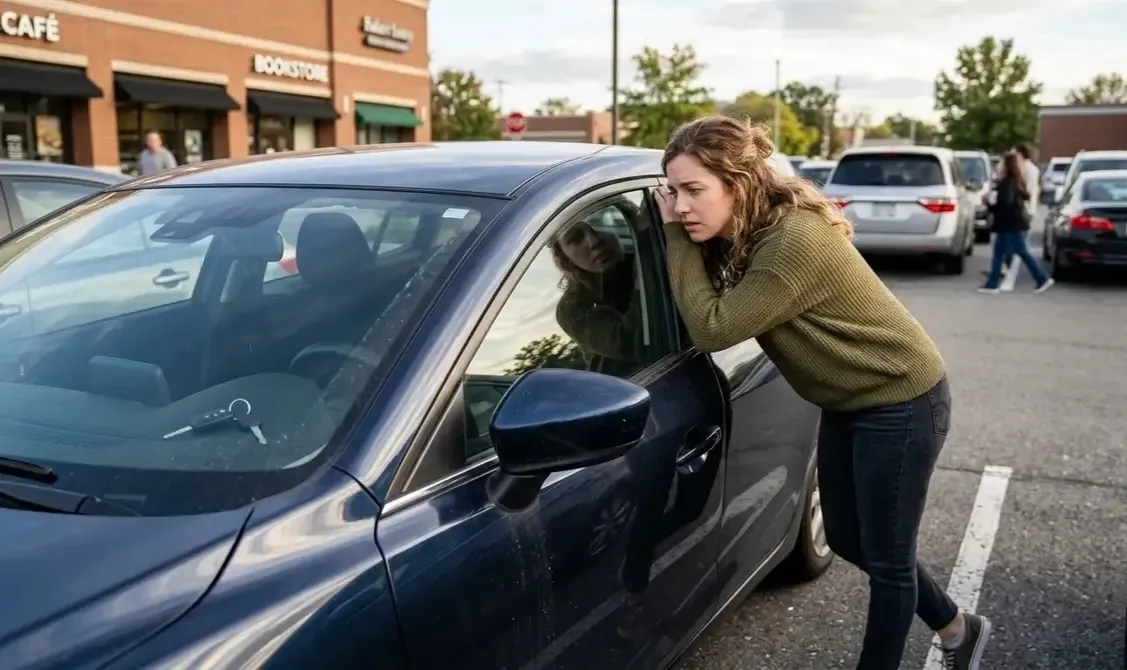
Contact your potential locksmith to assess their availability and response patterns. Emergency situations require immediate assistance regardless of the time or day. A reliable professional should offer round-the-clock emergency services for urgent needs. Quick response times demonstrate their commitment to customer service and security. The Electronic Security Association recommends verifying that they maintain consistent availability before emergencies arise. This ensures help arrives when you need it most.
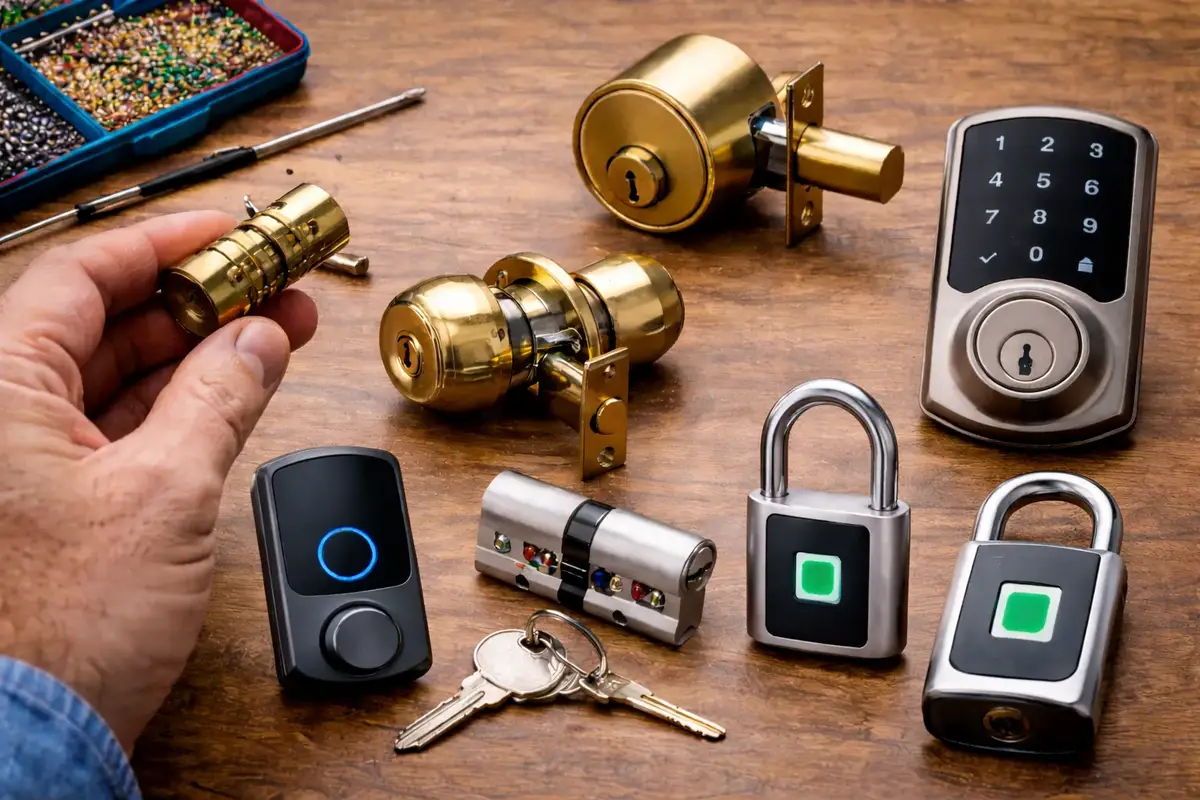
Quality locksmiths provide diverse security services beyond basic lock installation. They should offer lock repairs, key duplication, and security system upgrades. Advanced services include electronic lock systems and master key installations. A versatile professional can assess your property’s unique security requirements. They provide customized recommendations based on your specific situation, whether for residential locksmith needs or commercial properties. Comprehensive service options indicate extensive experience and technical knowledge.
Request detailed estimates before committing to any locksmith service. Professional locksmiths provide honest pricing without hidden charges or surprise fees. Ask about their policies regarding service calls, mileage charges, and overtime rates. Clear communication about costs reflects ethical business practices and customer respect. Consumer Reports advises being cautious of professionals who refuse to provide upfront pricing information. Transparent pricing builds trust and prevents billing disputes later.
Verify that your locksmith holds proper certifications and professional training credentials. Certified professionals demonstrate expertise in modern security technology and installation techniques. Proper certification indicates they’ve completed required training and maintain industry standards. Ask to see proof of licensing, insurance, and professional memberships through organizations like the National Association of Security Companies. These credentials protect you from liability and ensure quality workmanship. Experienced professionals willingly share their qualifications with potential customers.

Finding a trustworthy locksmith requires careful consideration and research. Knowing what red flags to watch for protects you from scams and poor service. This guide helps you identify warning signs before hiring a professional. Making informed decisions ensures your security and saves money. Understanding these alerts keeps your property and family safe from potential risks.
A legitimate locksmith should provide proper licensing and insurance information immediately. Companies refusing to share credentials often operate illegally or unprofessionally. Always verify their business registration through local authorities before hiring. Licensed professionals follow industry standards and legal requirements consistently. Ask for proof of insurance to protect yourself from liability issues. Unlicensed operators may lack proper training and damage your locks. Legitimate businesses display their credentials proudly on websites and business cards.
Professional locksmiths arrive in clearly marked company vehicles with visible branding. Unmarked cars or personal vehicles signal potential unprofessional service or scams. Company branding demonstrates legitimacy and accountability for its work. Technicians should wear uniforms or identification badges showing their affiliation. This visibility helps you confirm you hired the right service provider. Scammers often use unmarked vehicles to avoid identification and accountability. Always verify the vehicle matches the company you contacted initially.
Reputable locksmiths offer detailed written estimates before starting any work. Refusing estimates often leads to excessive charges and billing disputes later. Written quotes should include labor costs, parts, and service fees clearly. Verbal estimates provide no protection against price changes or hidden charges. Professional companies stand behind their pricing with transparent documentation. Consumer Reports’ home improvement guide recommends demanding an itemized estimate to understand exactly what you are paying for. This documentation protects both parties and prevents misunderstandings about costs.
Trustworthy locksmiths maintain a physical office or shop location that you can verify. Companies without addresses often operate as fly-by-night scammers or unreliable services. A verifiable location demonstrates stability and commitment to the community. Check online listings and business directories to confirm their address exists. Physical locations provide accountability and somewhere to address service complaints. Post office boxes alone are insufficient for verifying business legitimacy. Visit their location beforehand if possible, to assess their professionalism.
Suspiciously cheap rates often hide additional fees and surprise charges later. Professional locksmith services cost reasonable amounts based on skill and equipment needs. Bait-and-switch pricing tactics trap customers into paying much more than advertised. Quality work requires proper tools, training, and insurance that cost money. Extremely low prices cannot sustain legitimate business operations and quality service. Compare multiple quotes from locksmiths in areas like Chanhassen, Stillwater, or Forest Lake to understand fair market rates in your area. Remember that quality security work is an investment in your safety.
Established locksmiths accumulate customer reviews and testimonials over time naturally. Absence of online presence suggests a new, untested, or problematic business. Check multiple review platforms to get accurate impressions of their service quality. Be wary of companies with only perfect five-star reviews or obvious fake testimonials. AAA suggests negative reviews reveal how companies handle problems and customer complaints. Look for detailed reviews mentioning specific services and customer experiences. Reputable businesses actively manage their online reputation and respond to feedback.
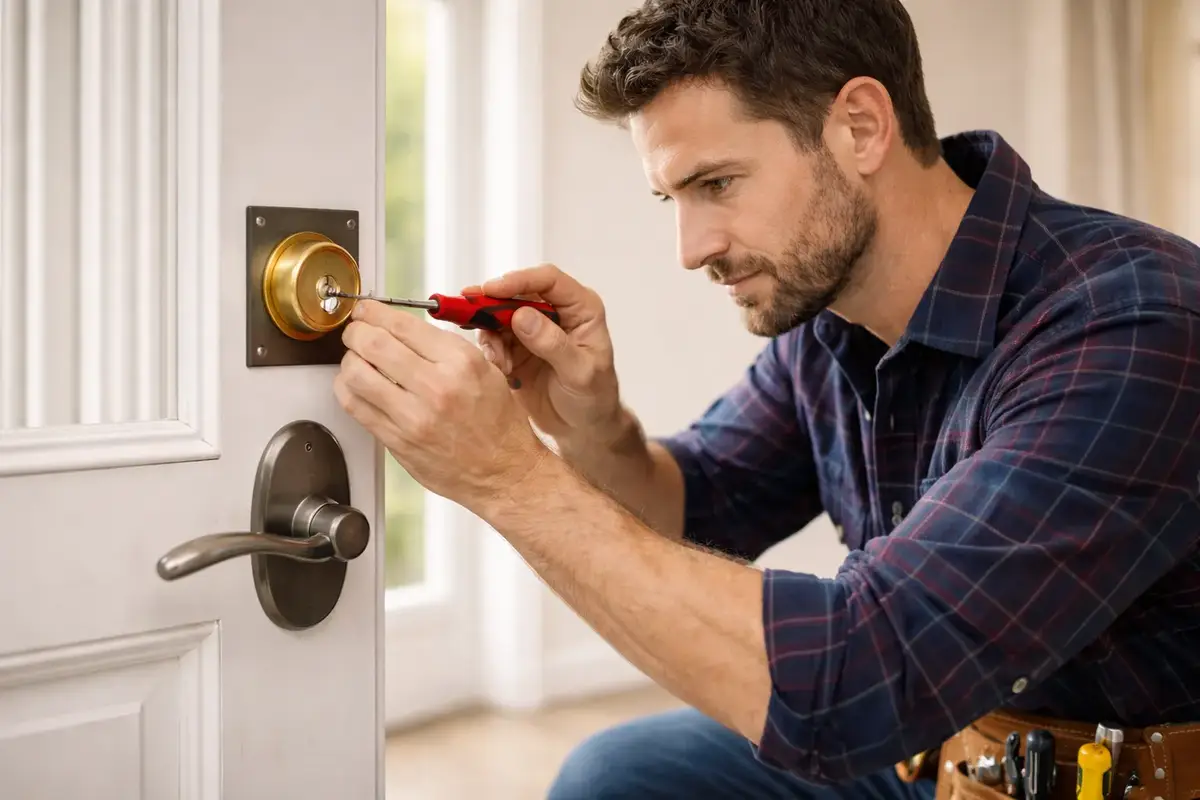
Experienced locksmiths try non-destructive entry methods before damaging your locks. Immediately suggesting drilling indicates a lack of skill or intent to overcharge. Professional technicians possess specialized tools to open most locks without destruction. Lock drilling should be a last resort after exhausting other options. Unnecessary replacement costs you significantly more than proper lockpicking techniques. Skilled professionals can open the majority of residential locks without damage. Question any technician who jumps straight to destructive methods immediately.
Taking proactive steps ensures you hire qualified and honest locksmith professionals. Research companies thoroughly before emergencies occur to avoid rushed, poor decisions. Save contact information for vetted locksmiths serving communities like Champlin, Hanover, and Carver in your phone for future needs. Ask friends and family for recommendations based on their positive experiences. The National Association of Realtors emphasizes verifying credentials and reading reviews from multiple independent sources before hiring. Request detailed explanations of work needed and why specific solutions are necessary. Trust your instincts if something feels wrong about the service provider. Document everything, including estimates, receipts, and any damage or issues that occur.
Key Warning Signs Include:
Professional locksmiths respect your security concerns and answer questions patiently. They explain their processes clearly and provide transparent pricing upfront consistently. Quality service providers want long-term customer relationships built on trust and reliability. For more security tips and resources, visit the National Association of Realtors’ safety page and the Cybersecurity and Infrastructure Security Agency. Choosing carefully protects your property and ensures you receive fair, honest service. Your security deserves experienced professionals who prioritize your safety and satisfaction.
Selecting a qualified locksmith protects your property and prevents costly scams. Professional locksmiths demonstrate their expertise through proper licensing, transparent pricing, and comprehensive service offerings. They arrive in marked company vehicles, provide written estimates upfront, and attempt non-destructive entry methods first. Verifying credentials, reading multiple reviews, and checking for physical business addresses help identify trustworthy professionals.
Avoid locksmiths who refuse to share credentials, advertise suspiciously low prices, or pressure immediate decisions without documentation. Red flags like unmarked vehicles and drilling as the first solution indicate potential scams or unprofessional service. Research locksmith companies before emergencies occur to avoid rushed decisions during stressful situations. For additional information and helpful resources, visit our blog or contact us directly.
Investing time in selecting qualified security professionals ensures your property receives expert protection. Quality locksmith services provide long-term peace of mind through reliable security solutions tailored to your specific needs. Your safety deserves experienced professionals who prioritize transparency, expertise, and customer satisfaction above everything else.
How much should locksmith services typically cost?
Standard services like rekeying range from $50-$150, while emergency after-hours calls cost more. Request itemized written estimates before work begins and compare quotes from multiple licensed professionals. Suspiciously low advertised prices often indicate hidden fees or bait-and-switch tactics.
What credentials should a legitimate locksmith have?
Professional locksmiths should possess state licensing, proof of insurance, and industry certifications. Verify business registration through local authorities and check for professional organization memberships. Licensed professionals willingly share credentials and maintain verifiable physical business addresses.
How quickly should a locksmith respond to emergency calls?
Expect 20-30 minutes for urban areas during emergencies, potentially longer for rural locations. Be suspicious of companies claiming 5-10 minute arrivals unless extremely close. Reliable locksmiths provide realistic timeframes and keep you updated on their arrival status.
Can all locks be opened without drilling?
Experienced locksmiths can open most residential and commercial locks using non-destructive techniques. Drilling should only occur after exhausting other options or with extremely damaged or high-security locks. Immediately suggesting drilling indicates lack of skill or intent to increase charges.
How can I verify a locksmith company’s legitimacy before hiring?
Check their physical address through online maps, verify licensing with local authorities, and read reviews across multiple platforms. Ask for proof of insurance and certifications. Call their listed number to confirm it connects to a legitimate business rather than a call center.