
March 19, 2026

Rekeying is the process of changing the internal pins inside a lock. It makes old keys stop working and allows a new key to operate instead. This method does not require replacing the entire lock unit. It is one of the most affordable ways to regain control over who has access. The process involves removing the lock cylinder, swapping out the pins, and reassembling it. Most homeowners can do it using a basic pinning kit from a hardware store. However, hiring a professional locksmith is recommended for guaranteed accuracy. Below are seven clear steps to help guide you through the rekeying process.
Rekeying lets you update your lock’s internal setup without replacing the whole thing. This process changes the pins inside so old keys no longer work. It is a smart move when you want better control over access. If you already own high-quality locks, a full replacement may not be needed. Too many copies of your key out there can be a real concern. Rekeying offers a budget-friendly way to solve that problem fast. You can handle the rekeying process yourself with the right tools and guidance. The steps below will walk you through how to get it done. Keep in mind that each lock type may require a slightly different approach. That said, hiring a professional is often safer and more convenient. A trained locksmith can also ensure the job is done correctly the first time. This route may save you time and prevent costly mistakes down the road.
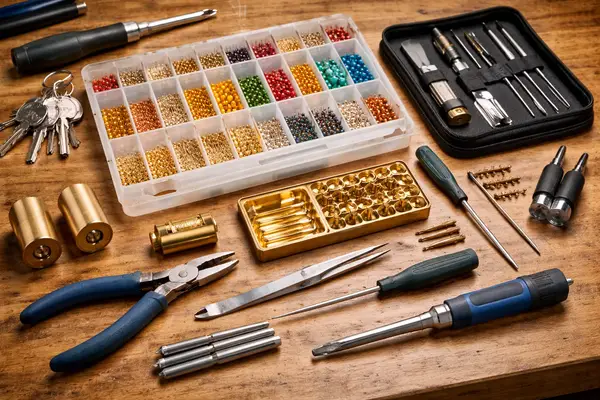
Rekeying kits, also called pinning kits, are widely available for purchase. You can find them at most hardware stores or through online retailers. If this is your first time doing a rekeying job, choose a complete kit. A full kit should include all the basic tools needed for the process. Be sure to also check how many locks the kit can handle. Some kits only cover a small number of locks at a time. That limited capacity might not be enough depending on your situation. Choosing the right kit from the start helps avoid unnecessary trips back to the store. It also ensures you have everything on hand to complete the job smoothly.
Removing the lock cylinder requires specific instructions from the manufacturer. Visit their official website to find the correct disassembly steps for your model. Covering every lock type in one guide is simply not practical. Each lock is built and taken apart differently based on its design. The manufacturer, lock type, and specific model all affect the process. Taking time to review the right instructions helps prevent damage to the lock. It also makes the reassembly process much easier once the rekeying is done.
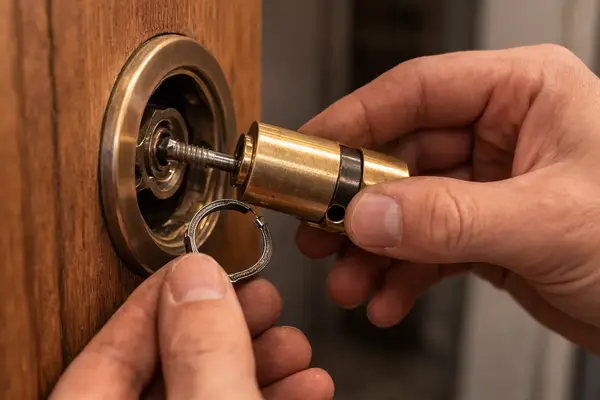
Use the retainer ring tool to carefully pop the ring off the cylinder. Make sure the working key is not inserted into the plug during this step. If the plug slides out by accident, pins and springs may scatter everywhere. That can make the process far more difficult and time-consuming to correct. A cylinder follower is another important tool found in most complete kits. You will need it to push the cylinder through the lock housing in the next step. Having this tool ready ahead of time keeps the workflow moving without interruption. Always work on a clean, flat surface to avoid losing any small parts.
This step demands careful focus and a steady hand throughout the process. Start by inserting the current key into the lock cylinder. Turn the key as if you were unlocking the lock normally. This action separates the upper and lower lock pins from each other. While the key stays in the turned position, guide the plug follower through. Apply constant and even pressure to push the plug out of the cylinder. Rushing this step can cause the pins to shift out of place. Take your time to ensure everything stays aligned during removal.
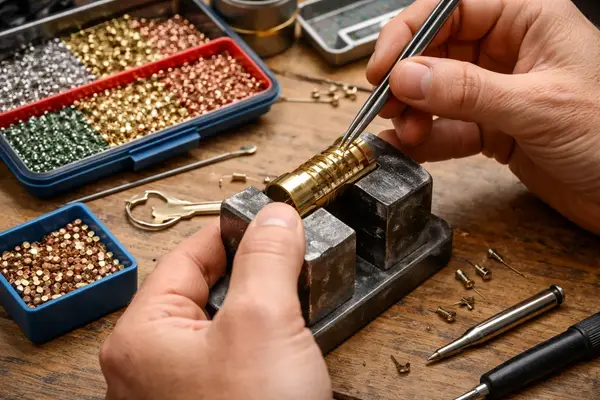
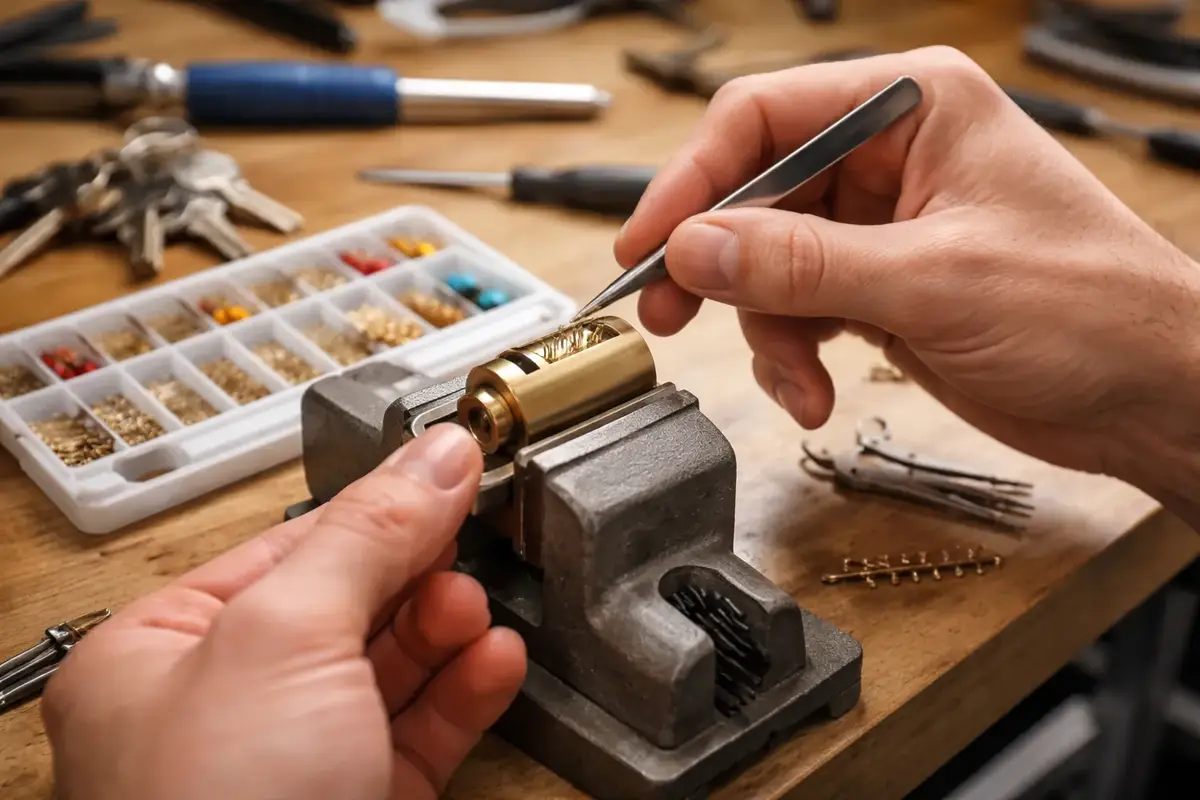
Start by removing all of the old pins from the cylinder plug. Then insert the new key into the cylinder to prepare for the next step. Use tweezers to place the new pins into the correct positions. Follow the color-coded guide included in your rekeying kit’s instruction sheet. Double-check that each pin is seated properly before moving forward. Incorrect pinning can lead to serious problems during reassembly. If the plug is pinned wrong and put back into the cylinder, fixing it is harder. Special tools would then be needed just to remove the plug again. Taking a few extra moments here can save a lot of frustration later on.
Once all the new pins are in place, it is time to reassemble. Simply work backwards through the previous steps to rebuild the lock. Reinsert the plug, replace the retainer ring, and secure the cylinder. Take care to follow each step in reverse order to avoid errors. A careful reassembly helps ensure the lock functions properly with the new key.

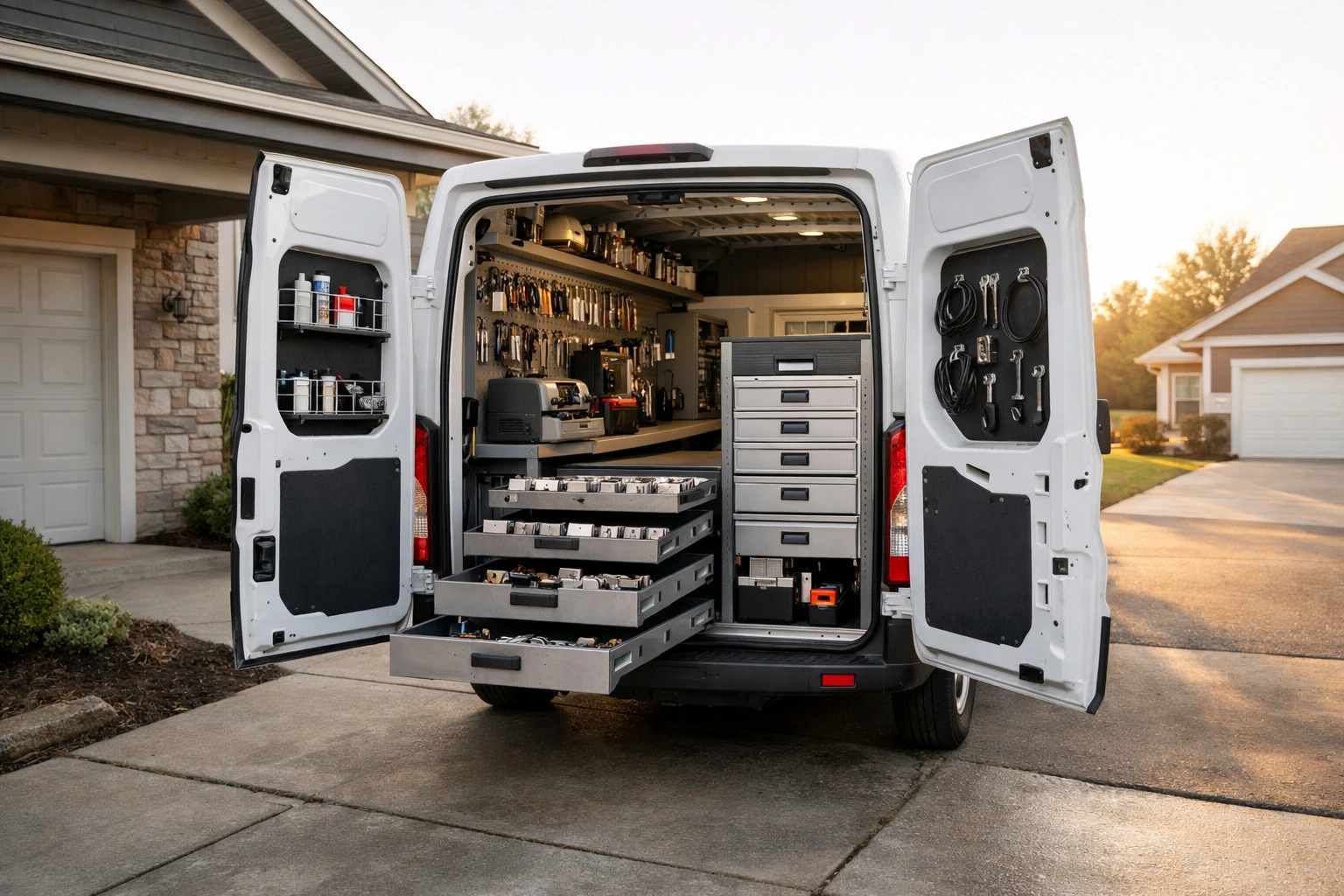
One easy way to skip the hassle is to hire a professional locksmith. This removes the need to buy a kit or handle the job yourself. Many locksmiths are available around the clock, seven days a week. Doing the rekeying process alone comes with the risk of damaging your door. You could also accidentally harm the lock hardware during disassembly or reassembly. A trained locksmith will protect the integrity of your lock throughout the process. They can also provide key copies right on the spot for added convenience. Unlike standard rekeying kits, professionals have no limit on locks they can handle. Choosing expert help often leads to faster results and greater peace of mind.
Rekeying is a practical and effective way to improve your home’s security. It allows you to take control of who has access without a full lock replacement. Following the steps above can help you complete the process on your own. However, the job does require patience, the right tools, and careful attention. One small mistake during disassembly or pinning can lead to bigger problems. That is why many homeowners choose to leave the task to a trained expert. A professional locksmith brings the experience needed to get it done right. Mobile Locksmith offers reliable rekeying services that homeowners can count on. Their team is available around the clock to handle any lock-related concern. Whether you need a single lock rekeyed or an entire property updated, they can help. Reaching out to a trusted locksmith ensures your security is never compromised. Take the next step today and make your home safer with confidence.
What does rekeying a lock actually do?
Rekeying changes the internal pins inside the lock cylinder. This makes the old key useless and a new key functional. The lock itself stays the same on the outside. It is a simple way to update access without buying a new lock.
Can I rekey a lock without any prior experience?
Yes, it is possible with the right tools and a proper guide. A complete pinning kit will include everything needed to get started. However, the process does require careful attention to detail throughout. First-timers should review all instructions before beginning the job.
How do I know if my lock can be rekeyed?
Most standard pin tumbler locks are eligible for rekeying. Check with the lock manufacturer to confirm your specific model qualifies. Some high-security or electronic locks may require a different approach. A professional locksmith can also inspect and advise on your options.
Is rekeying better than replacing the entire lock?
Rekeying is ideal when the existing lock hardware is still in good condition. It updates the internal security without changing the physical lock on the door. Replacement is better when the lock is worn, damaged, or outdated. The right choice depends on the current state of your lock.
When is the best time to consider rekeying?
Rekeying is recommended after moving into a new home or losing a key. It is also a smart step after a break-in or a change in household members. Any time access control becomes a concern, rekeying should be considered. Acting quickly helps maintain the overall security of your property.